Divergent Prognostic Impact of Histopathological Features and Combined Hematological–Biochemical Indices in Rectal Versus Colorectal Cancer: A Single-Center Study
DOI:
https://doi.org/10.14740/wjon2787Keywords:
Colorectal cancer, Rectal cancer, Clinicopathologic features, Hematological/biochemical indicesAbstract
Background: Colorectal cancer is frequently analyzed as a single disease entity despite recognized biological and clinical differences between colon and rectal tumors. This study investigated whether systemic inflammatory and nutritional indices demonstrate similar prognostic value in a pooled colorectal cancer cohort and in rectal adenocarcinoma analyzed separately.
Methods: A predefined subgroup analysis of a previously established single-center cohort of surgically treated patients with long-term follow-up was performed. Prognostic associations of clinical, hematological, biochemical, and histopathological variables were evaluated in the overall colorectal cancer cohort and subsequently in patients with rectal adenocarcinoma using Kaplan–Meier and Cox regression analyses.
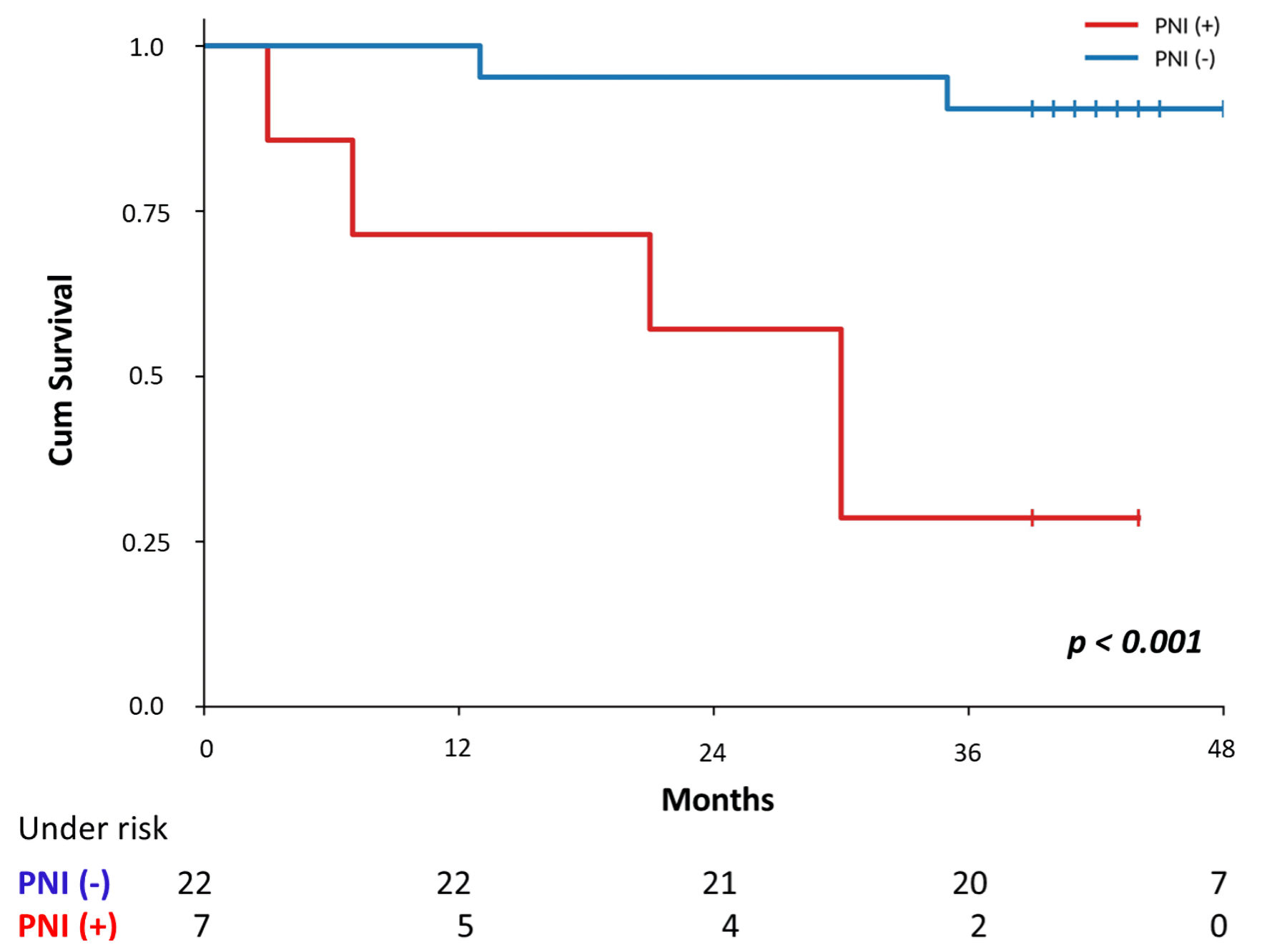
Results: In the colorectal cancer cohort, severe postoperative complications (Clavien–Dindo III–V), higher lymph node ratio, tumor deposits, and modified Glasgow Prognostic Score 2 were independently associated with worse overall survival, while TNM stage, reduced peritumoral lymphocytic response, and tumor deposits predicted disease-free survival. In contrast, rectal adenocarcinoma demonstrated a distinct prognostic pattern: perineural invasion was associated with poorer overall survival in the exploratory rectal cancer subgroup analysis (hazard ratio (HR) = 25.125; P = 0.003), whereas platelet-to-lymphocyte ratio retained statistical significance with a modest effect size. Other systemic inflammatory and pathological parameters showed limited impact.
Conclusions: Colon and rectal cancers exhibit divergent prognostic architectures. Combined analyses may reduce risk stratification accuracy and obscure the true value of inflammatory biomarkers, supporting the development of tumor site–specific prognostic models in colorectal oncology.
Published
Issue
Section
License
Copyright (c) 2026 The authors

This work is licensed under a Creative Commons Attribution 4.0 International License.