


Hypoxia-Induced Exosomal miR-1225-5p Accelerates Colorectal Cancer Progression by Targeting Carboxypeptidase M
DOI:
https://doi.org/10.14740/wjon2766Keywords:
Colorectal cancer, Hypoxia, miR-1225-5p, CPM, Exosomes, Tumor progressionAbstract
Background: Colorectal cancer (CRC) remains a considerable public health burden worldwide, with hypoxia emerging as a key driver of tumor aggressiveness. Within the hypoxic tumor microenvironment (TME), exosomes function as vital vehicles for intercellular communication, especially through their cargo of microRNAs (miRNAs). Despite the growing recognition of this phenomenon, the specific functions of hypoxia-induced exosomal miRNAs in CRC remain inadequately defined.
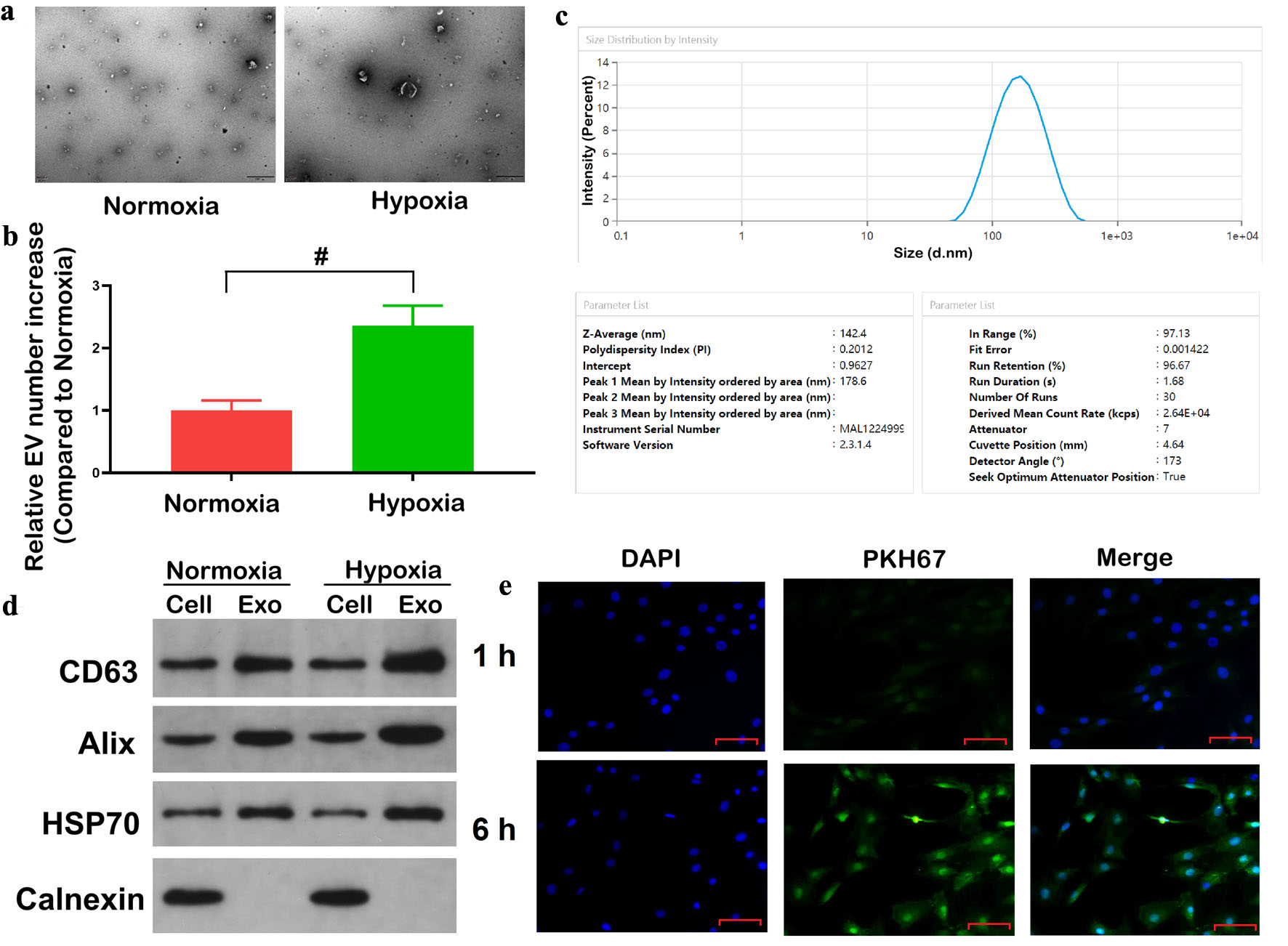
Methods: Human CRC cell lines (SW620 and HCT116) were subjected to normoxic or hypoxic conditions. Exosomes were isolated via ultracentrifugation and rigorously characterized by transmission electron microscopy (TEM) and dynamic light scattering (DLS). Quantitative real-time PCR (qRT-PCR) profiling identified miR-1225-5p as significantly enriched under hypoxia. The uptake of Cy3-labeled miR-1225-5p-loaded and PKH67-labeled exosomes by CRC cells was confirmed. The impact of these phenomena on cell progression capabilities was subsequently evaluated through the implementation of cell counting kit-8, colony formation, Transwell invasion, and wound-healing assays. The validation of the miR-1225-5p-carboxypeptidase M (CPM) regulatory axis was conducted through a series of rigorous methods, including luciferase reporter assays, Western blot analysis, and siRNA-mediated knockdown. Bioinformatic assessments via UALCAN examined correlations between CPM expression and clinical CRC prognosis.
Results: Hypoxic CRC cell-derived exosomes exhibited markedly increased miR-1225-5p content. These exosomes effectively transferred miR-1225-5p to recipient CRC cells, thereby enhancing their malignant behaviors. Mechanistically, miR-1225-5p directly suppressed CPM expression by interacting with its 3'UTR. Bioinformatics analysis demonstrated that lower CPM expression correlates with poor patient prognosis, indicating a tumor-suppressive role. The downregulation of CPM independently recapitulated the oncogenic phenotypes induced by miR-1225-5p, whereas the inhibition of miR-1225-5p reversed these effects, suppressing CRC cell malignancy.
Conclusion: The present study identifies a novel hypoxia-driven exosome-mediated miRNA pathway, whereby miR-1225-5p promotes CRC progression through targeted inhibition of the tumor suppressor gene, CPM. These findings contribute to our expanded understanding of exosomal RNA signaling within a hypoxic TME, thus identifying potential therapeutic targets.
Published
Issue
Section
License
Copyright (c) 2026 The authors

This work is licensed under a Creative Commons Attribution 4.0 International License.