Neurogenic Small Molecules Reverse miR-342-3p-Mediated Tumorigenesis in Renal Cell Carcinoma
DOI:
https://doi.org/10.14740/wjon2753Keywords:
microRNA, Kidney cancer, Cigarette smoking, Lipid metabolism, NeurogenesisAbstract
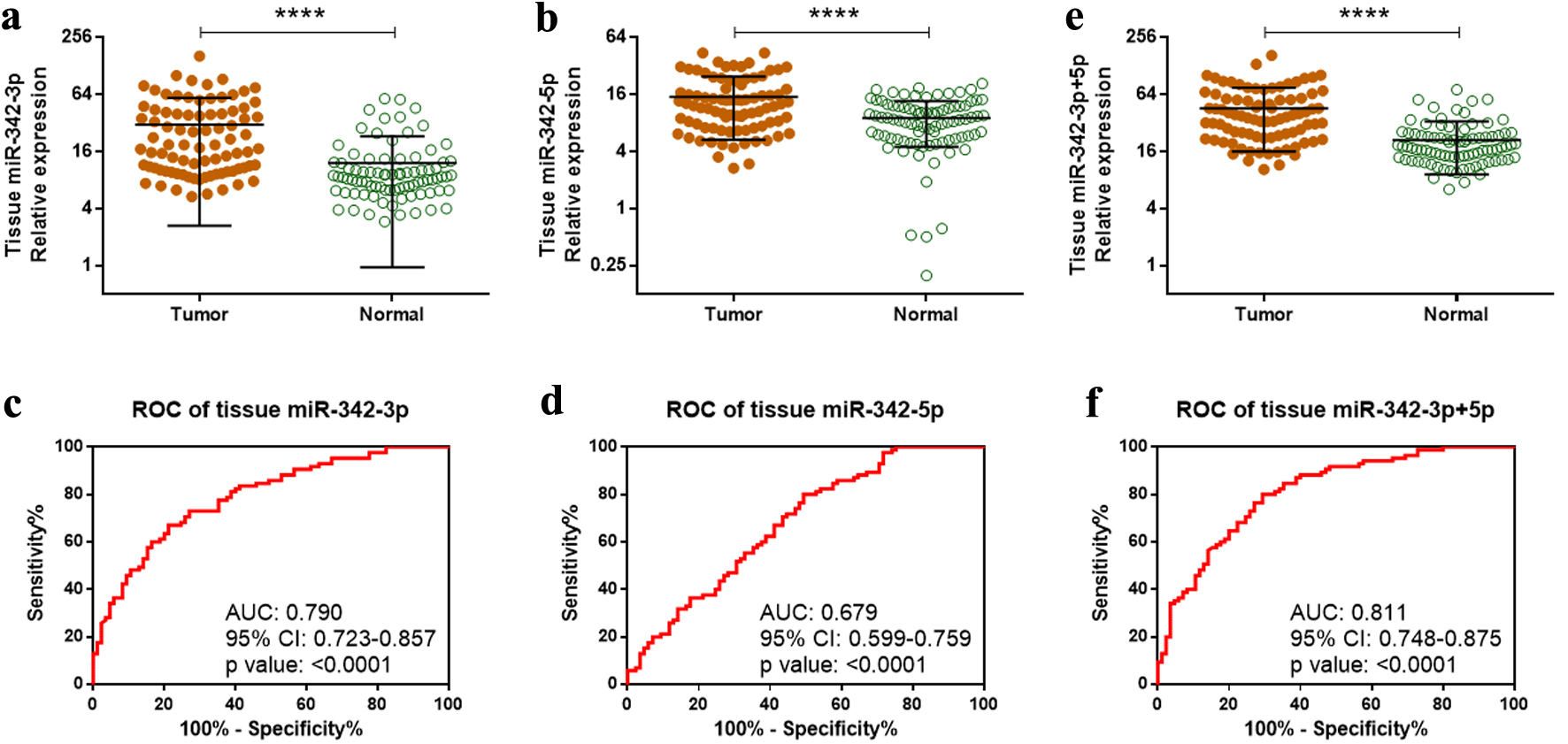
Background: Cigarette smoking is a major established risk factor for clear cell renal cell carcinoma (ccRCC), yet the molecular mediators linking smoking exposure to tumor biology remain incompletely understood. Here, we investigated whether smoking status influences circulating and tissue miR-342-3p and miR-342-5p expression.
Methods: We determined miR-342-3p and miR-342-5p expression levels in tissues and plasmas from ccRCC patients and healthy controls using quantitative reverse transcription polymerase chain reaction. To elucidate the functional relevance of miR-342-3p dysregulation in ccRCC, we integrated miRTARGET and DAVID Gene Ontology analyses to identify ccRCC-related and experimentally validated targets. Cell counting kit-8 assay measured the impact of miR-342-3p mimic and neurogenic small molecules on 293T and 786-O cells.
Results: We found that both miR-342-3p and miR-342-5p were significantly upregulated in ccRCC, with miR-342-3p expression showing a strong positive association with smoking status and highest levels observed in current smokers. Receiver operating characteristic analysis demonstrated that combined plasma miR-342-3p and miR-342-5p expression achieved an area under the curve (AUC) of 0.767, with a sensitivity of 81.6% and a specificity of 69.4%. A total of 178 miR-342-3p ccRCC targets were mainly enriched in lipid metabolic and neurogenesis processes. miR-342-3p overexpression significantly enhanced 293T cell proliferation. However, treatment with a neurogenic small-molecule cocktail (SB431542, LDN193189, CHIR99021, and DAPT) markedly attenuated this proliferative effect. In RCC 786-O cells, the same small molecules significantly inhibited cell proliferation, whereas miR-342-3p overexpression reversed their inhibitory effect.
Conclusion: Cigarette smoking upregulates miR-342-3p and miR-342-5p expression in ccRCC. Mechanistically, miR-342-3p appears to promote RCC tumorigenesis through repression of neurogenic genes. Neurogenic small molecules may confer therapeutic benefit by antagonizing this effect and thereby suppressing RCC progression.
Published
Issue
Section
License
Copyright (c) 2026 The authors

This work is licensed under a Creative Commons Attribution 4.0 International License.