

RAD001-Adjuvanted Influenza Vaccine Synergizes With Anti–Programmed Cell Death Protein 1 Therapy to Enhance Antitumor Immunity in Programmed Cell Death Ligand 1–Low Murine Lung Cancer
DOI:
https://doi.org/10.14740/wjon2831Keywords:
Lung cancer, Cancer immunotherapy, Rad001 adjuvant, Influenza vaccine, Tumor microenvironment, PD-L1–lowAbstract
Background: Immune checkpoint inhibitors targeting programmed cell death protein 1 (PD-1) have transformed lung cancer therapy, but their efficacy is often limited in tumors with low programmed cell death ligand 1 (PD-L1) expression and immunologically “cold” tumor microenvironments. This study aimed to evaluate the safety and therapeutic efficacy of combining a RAD001-adjuvanted influenza vaccine with PD-1 blockade and to explore its immunological mechanisms in a murine lung cancer model.
Methods: C57BL/6 mice bearing Lewis lung carcinoma (LLC) tumors, characterized by low PD-L1 levels (10.28%), were randomized to receive control, anti-PD-1 monotherapy, or anti-PD-1 combined with either a split influenza vaccine, an MF59-adjuvanted vaccine, or a RAD001-adjuvanted vaccine. Primary endpoints included tumor growth kinetics and survival. Safety was assessed via histopathological analysis of major organs and biochemical analyses. Mechanistic changes were evaluated through immunophenotyping of tumor-infiltrating lymphocytes (TILs) and serum cytokine profiling.
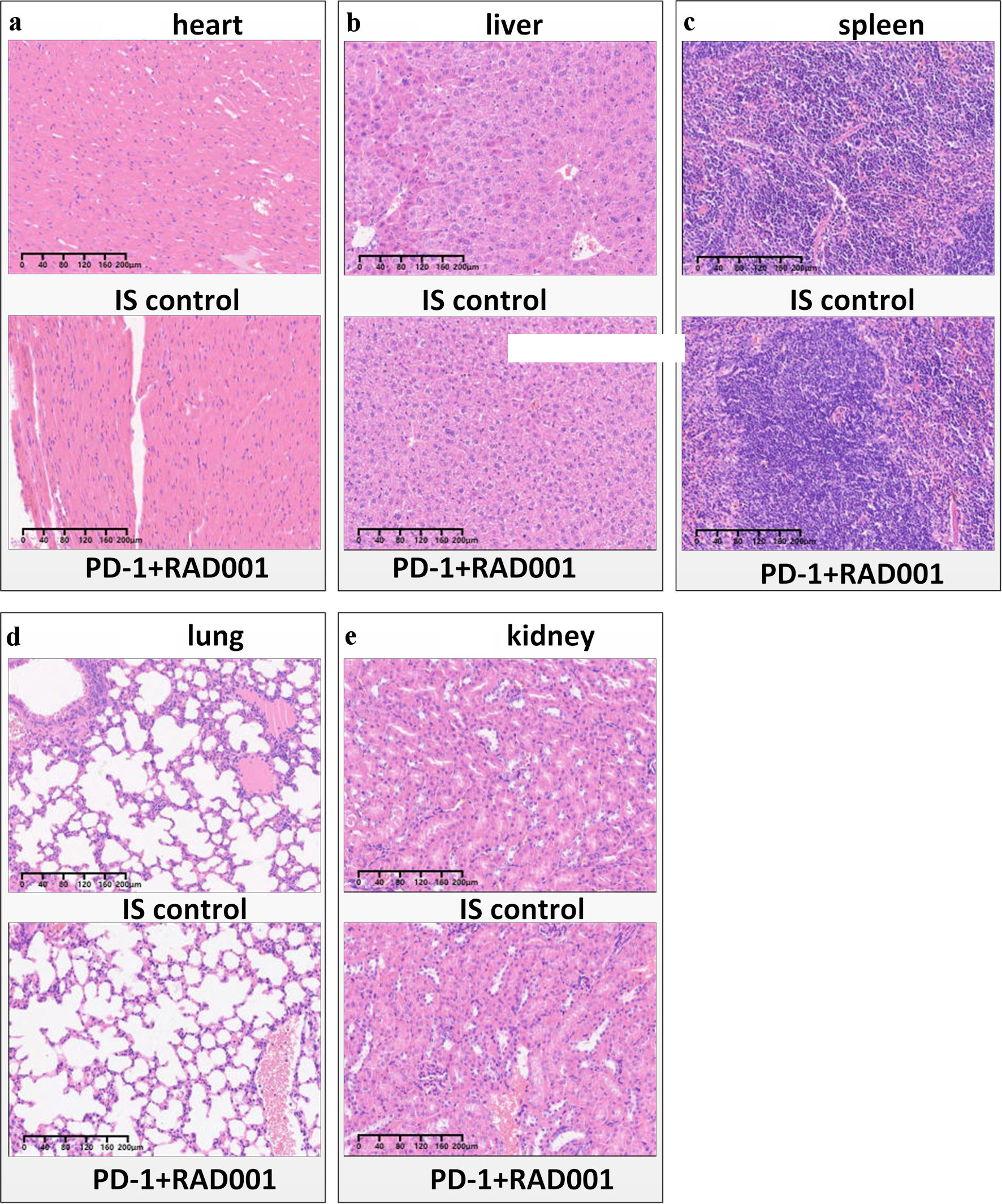
Results: The RAD001-adjuvanted vaccine synergized with anti-PD-1 therapy, resulting in superior tumor growth inhibition compared to all other groups. This synergy was associated with a remodeled tumor microenvironment, showing increased CD8+ T-cell infiltration and a higher CD8+/regulatory T-cell ratio. Serum analysis revealed a shift toward a Th1-dominant cytokine profile (a trend toward increased interferon-gamma and interleukin-2). Histopathological and biochemical examination confirmed no treatment-related toxicities in the heart, liver, lungs, kidneys, or spleen.
Conclusions: RAD001-adjuvanted influenza vaccination safely enhances the efficacy of anti-PD-1 therapy in PD-L1–low murine lung cancer by promoting a pro-inflammatory immune microenvironment. These findings suggest that strategic vaccine adjuvant selection can broaden the therapeutic reach of immune checkpoint inhibitors.
Published
Issue
Section
License
Copyright (c) 2026 The authors

This work is licensed under a Creative Commons Attribution 4.0 International License.