


A Mitochondrial-Related Gene Signature for Diagnosis and Immune Microenvironment Modulation in Lung Cancer and Venous Thromboembolism
DOI:
https://doi.org/10.14740/wjon2815Keywords:
Lung cancer, Venous thromboembolism, Mitochondria-related genes, Biomarkers, Diagnostic model, Immune infiltrationAbstract
Background: Lung cancer (LC) and venous thromboembolism (VTE) are closely associated, with VTE contributing to morbidity and mortality among patients with LC. We aimed to identify and characterize a mitochondrial-related transcriptomic signature shared between LC and VTE and to explore its association with immune microenvironment features.
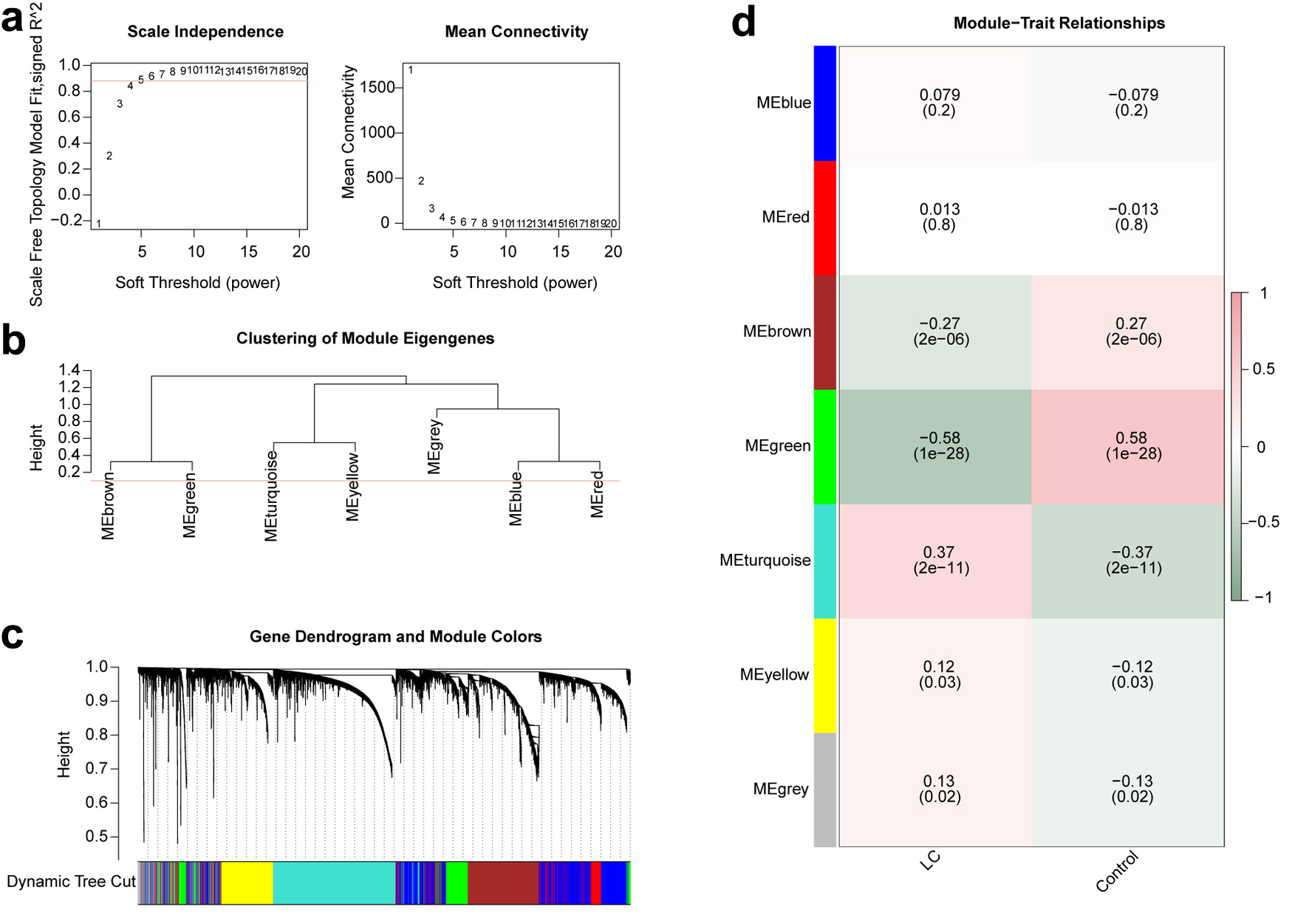
Methods: We applied a multiomics approach focused on mitochondrial-related signaling pathways. Publicly available transcriptomic datasets were analyzed using differential expression profiling and weighted gene co-expression network analysis to identify key regulatory genes. These genes were intersected with a mitochondrial gene set and subjected to functional enrichment analysis. Least absolute shrinkage and selection operator (LASSO) regression was used to identify candidate diagnostic genes validation. Immune cell infiltration was quantified, and associated regulatory mechanisms were explored.
Results: Thirty-nine shared crosstalk genes were identified and were primarily enriched in mitochondrial metabolic processes. LASSO regression identified a five-gene candidate signature (ACAA1, HSD17B10, MTIF2, THOP1, and PDE2A). The model exhibited promising discriminatory performance (area under the curve > 0.9 in LC dataset and 0.7–0.9 in VTE dataset). These genes were significantly dysregulated and were associated with altered immune cell infiltration, particularly in dendritic cell and T cell subsets.
Conclusion: We identified a mitochondrial-related gene signature reflecting shared transcriptomic correlates between LC and VTE. The signature showed variable performance across disease contexts and correlative associations with immune features, supporting its role as a candidate biomarker for further investigation. Prospective validation in independent clinical cohorts is required before any translational application.
Published
Issue
Section
License
Copyright (c) 2026 The authors

This work is licensed under a Creative Commons Attribution 4.0 International License.