

Targeting the Fatty Acid Binding Protein 5–Specificity Protein 1 Axis Restores Enzalutamide Sensitivity by Suppressing Androgen Receptor/Androgen Receptor Splice Variant 7 Signaling: Implications for Prostate Cancer Therapy
DOI:
https://doi.org/10.14740/wjon2799Keywords:
Prostate cancer, Castration-resistant prostate cancer, FABP5–Sp1 axis, Androgen receptor, AR-V7, Enzalutamide resistance, Enzalutamide sensitivity, Sp1 inhibition, PPARγ signaling, VEGFAAbstract
Background: Castration-resistant prostate cancer (CRPC) remains a major clinical challenge driven by persistent androgen receptor (AR) signaling and constitutively active splice variants such as androgen receptor splice variant 7 (AR-V7), which confer resistance to therapies including enzalutamide. Although metabolic reprogramming contributes to disease progression, the integration of metabolic and transcriptional regulators sustaining therapeutic resistance remains incompletely understood.
Methods: We integrated clinical transcriptomic analysis of The Cancer Genome Atlas Prostate Adenocarcinoma (TCGA-PRAD) cohort with mechanistic and functional validation in 22RV1 CRPC cells to investigate the role of the fatty acid binding protein 5–specificity protein 1 (FABP5–Sp1) regulatory axis.
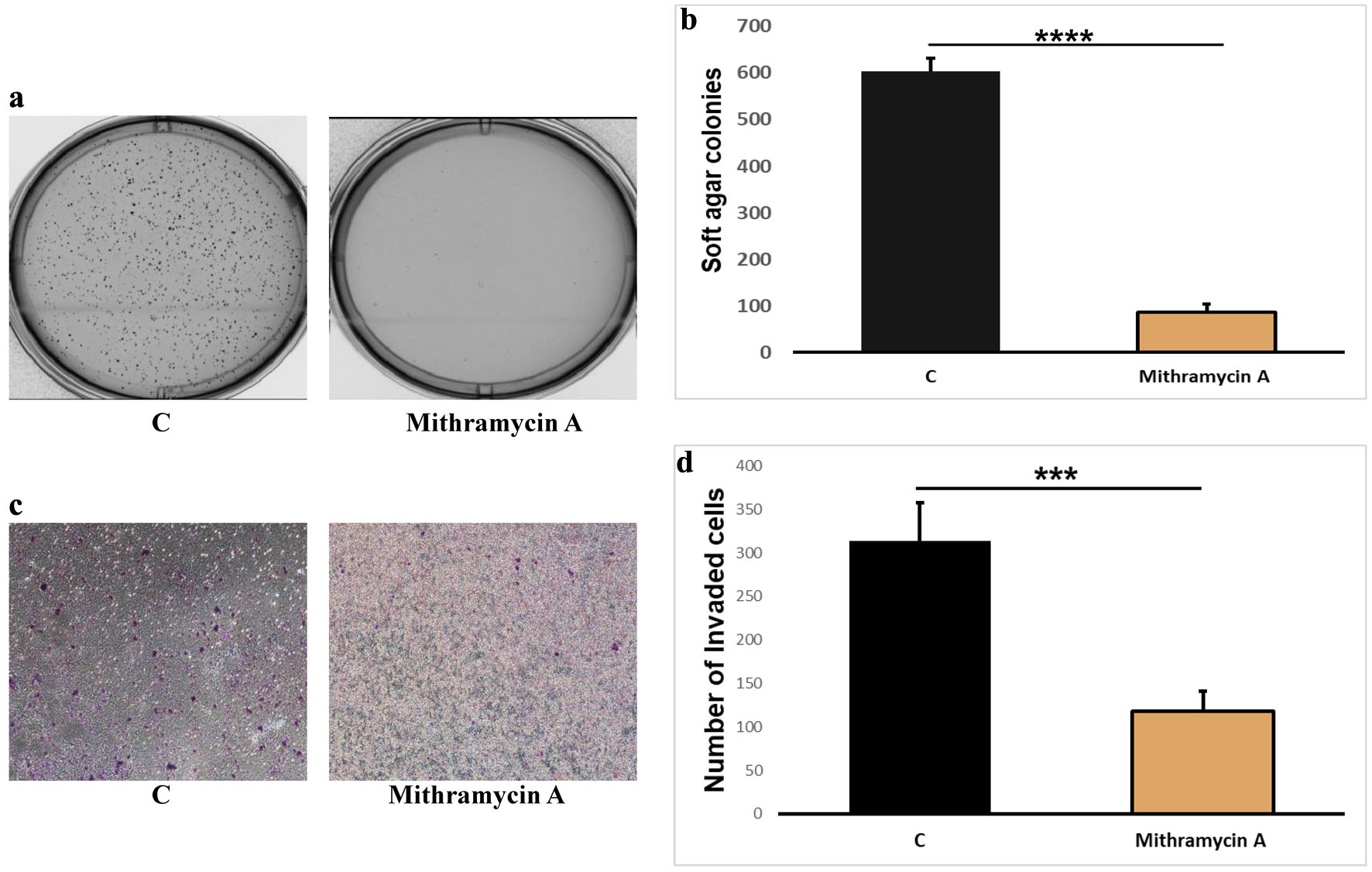
Results: Transcriptomic analysis revealed that FABP5 is significantly upregulated in prostate tumors compared with normal tissue and increases with higher Gleason score. In contrast, AR and Sp1 exhibited heterogeneous expression patterns. Mechanistically, genetic ablation of FABP5 markedly reduced AR-V7 expression and restored sensitivity to enzalutamide, leading to suppression of AR signaling. Conversely, FABP5 overexpression increased Sp1 protein levels. Pharmacological inhibition of Sp1 using mithramycin A resulted in coordinated downregulation of FABP5, AR, and AR-V7, along with suppression of peroxisome proliferator-activated receptor gamma (PPARγ) signaling and downstream vascular endothelial growth factor A (VEGFA) expression. Functionally, Sp1 inhibition significantly reduced anchorage-independent growth and invasion.
Conclusion: These findings define a FABP5–Sp1–AR/AR-V7 transcriptional–metabolic axis driving enzalutamide resistance in CRPC. Targeting FABP5 restores therapeutic sensitivity and represents a promising biomarker and therapeutic strategy in advanced prostate cancer.
Published
Issue
Section
License
Copyright (c) 2026 The authors

This work is licensed under a Creative Commons Attribution 4.0 International License.