


Detection of Longer Leukocyte Telomere Length in Patients With Bone Sarcomas
DOI:
https://doi.org/10.14740/wjon2684Keywords:
Telomere length, Leukocyte telomere length, Bone sarcomasAbstract
Background: Bone sarcomas are rare and heterogeneous malignant neoplasms of mesenchymal origin, often associated with poor clinical outcomes. Being rare neoplasms, a comprehensive analysis of the molecular mechanisms involved in the tumor biology of bone sarcomas is still lacking. Telomeres are repetitive nucleotide sequences (TTAGGG)n at chromosome ends playing an essential role in genome stability, and their dysfunction has been associated with several human diseases, including cancer. This study aimed to assess telomere dynamics in pediatric and adult patients with bone sarcomas.
Methods: The measurements of relative telomere length (RTL) in peripheral blood leukocytes were evaluated by quantitative polymerase chain reaction (qPCR) in 44 patients with newly diagnosed, histologically confirmed, treatment-naive bone sarcomas. The control group comprised 50 cancer-free individuals.
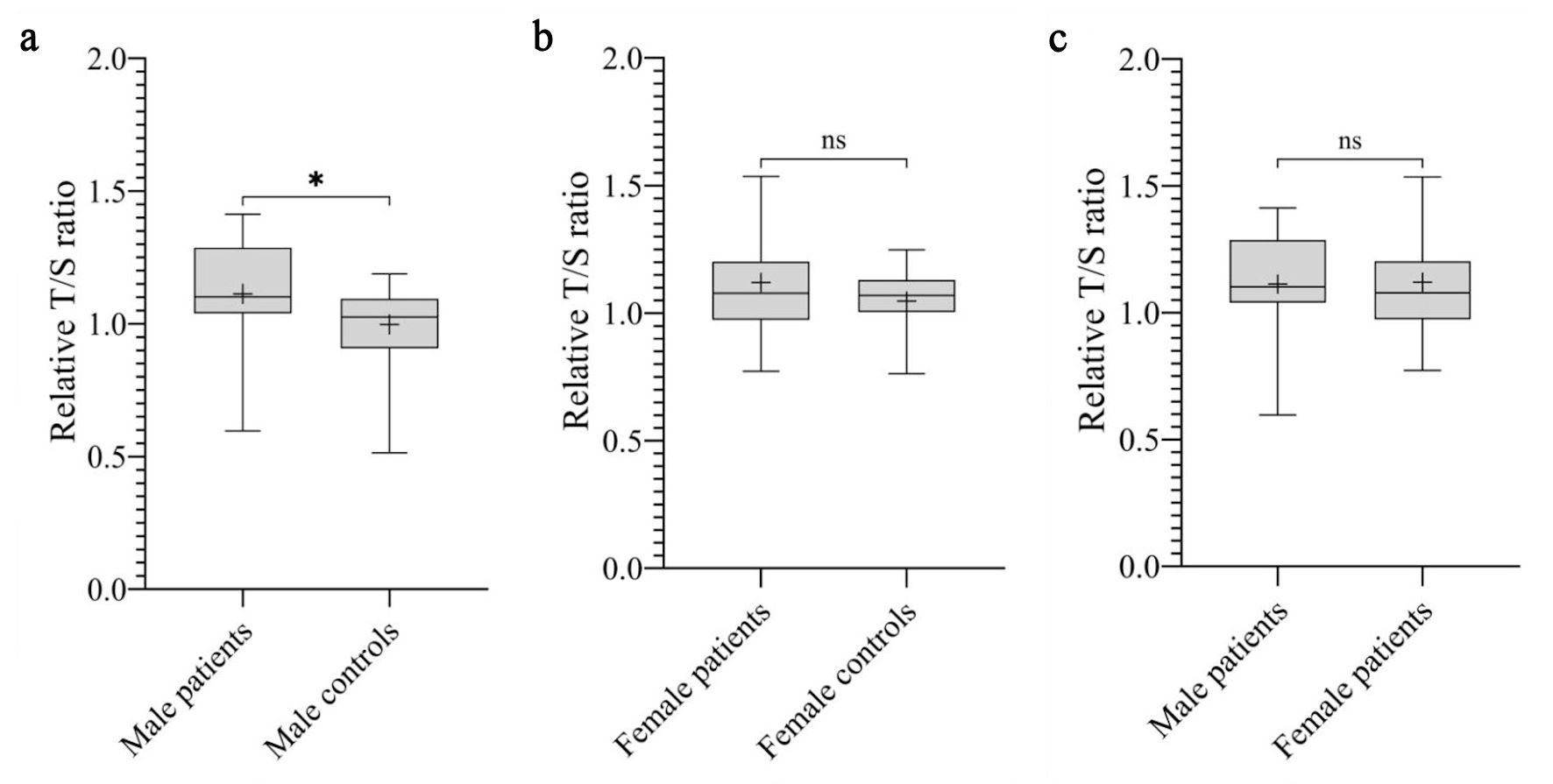
Results: Overall, we observed significantly longer RTL in patients compared to controls (P = 0.02). RTL was also significantly longer in male patients compared to male controls (P = 0.01). Among patients, no significant association was observed between RTL and age group (pediatric vs. adult), sex (male vs. female), and outcome events (recurrence, metastasis or death).
Conclusions: Our findings indicate that longer leukocyte telomere length in patients, compared with cancer-free controls, may be associated with increased susceptibility to bone sarcoma.
Published
Issue
Section
License
Copyright (c) 2026 The authors

This work is licensed under a Creative Commons Attribution 4.0 International License.