| World Journal of Oncology, ISSN 1920-4531 print, 1920-454X online, Open Access |
| Article copyright, the authors; Journal compilation copyright, World J Oncol and Elmer Press Inc |
| Journal website https://wjon.elmerpub.com |
Original Article
Volume 17, Number 6, December 2026, pages 886-897

Impact of Molecular and Cytogenetic Risk Stratification, Early Treatment Response, and Inflammatory Biomarkers on Survival in Intensively Treated Non-Acute Promyelocytic Leukemia Acute Myeloid Leukemia
Ahmed Akefa, Ebtesam Elgezawyb, c, Fatma M. Elsayedd, Mohammad Abd Elhameed Alwaseefe, p, Loai Emame, Mohammed H. Foudaf, Neveen Shalabyg, Mohamed Ibrahemh, Mona E. Hashemi, Dina Ashraf Abdelhadyi, Soha Hamed Ammarj, Hend Hanafy Mahmoud Ismailk, Mohamed Alerakyl, m, Esraa Adel Ahmed Ayadn, Ghada Nabil Shahino
aDepartment of Clinical Pathology, Faculty of Medicine, Mansoura University, Mansoura, Egypt
bDepartment of Clinical Pathology, Abha Maternity and Children Hospital (AMCH), Abha, Saudi Arabia
cDepartment of Clinical Pathology, Faculty of Medicine, Assiut University, Assiut, Egypt
dHematology Unit, Faculty of Medicine, Alexandria University, Alexandria, Egypt
eDepartment of Clinical Pathology, Faculty of Medicine, Al-Azhar University, Cairo, Egypt
fDepartment of Clinical Pathology, Faculty of Medicine, Tanta University, Tanta, Egypt
gDepartment of Internal Medicine, Faculty of Medicine, Tanta University, Tanta, Egypt
hDepartment of Medical Biochemistry and Molecular Biology, Faculty of Medicine, Cairo University, Cairo, Egypt
iDepartment of Clinical and Chemical Pathology, Faculty of Medicine, Zagazig University, Zagazig, Egypt
jDepartment of Clinical and Chemical Pathology, Faculty of Medicine, Cairo University, Cairo, Egypt
kDepartment of Clinical Pathology, Faculty of Medicine, Ain Shams University, Cairo, Egypt
lDepartment of Clinical Pathology, Faculty of Medicine, Al-Azhar University, New Damietta, Egypt
mDepartment of Clinical Pathology, Faculty of Medicine, Najran University, Najran, Saudi Arabia
nDepartment of Clinical Pathology, Faculty of Medicine for Girls, Al-Azhar University, Cairo, Egypt
oDepartment of Clinical Pathology, National Cancer Institute, Cairo University, Cairo, Egypt
pCorresponding Author: Mohammad Abd Elhameed Alwaseef, Department of Clinical Pathology, Faculty of Medicine, Al-Azhar University, Cairo, Egypt
Manuscript submitted July 27, 2026, accepted September 11, 2026, published online November 11, 2026
Short title: Predictors of Survival in Non-APL AML
doi: https://doi.org/10.14740/wjon2856
| Abstract | ▴Top |
Background: Acute myeloid leukemia (AML) is a clinically and molecular heterogeneous hematologic malignancy with highly variable treatment outcomes. The European Leukemia Net (ELN) 2022 classification integrates cytogenetic and molecular abnormalities to guide risk stratification and therapeutic decision making; however, real-world prognostic data from resource-limited settings remain limited. This study evaluated the impact of ELN 2022 molecular and cytogenetic risk stratification, early treatment response, and inflammatory biomarkers on remission and survival among intensively treated adults with non-acute promyelocytic leukemia (non-APL) AML.
Methods: This retrospective single-center cohort study included 90 adults with newly diagnosed non-APL AML who received intensive induction chemotherapy. Patients were stratified according to the ELN 2022 classification into favorable (n = 10), intermediate (n = 67), and adverse (n = 13) risk groups. The primary outcomes were complete remission (CR), overall survival (OS), and event-free survival (EFS). Survival analyses were performed using the Kaplan–Meier method and Cox proportional hazards regression, while logistic regression was used to identify predictors of CR. Baseline inflammatory indices, including the neutrophil-to-lymphocyte ratio (NLR), platelet-to-lymphocyte ratio (PLR), monocyte-to-lymphocyte ratio (MLR), and Prognostic Nutritional Index (PNI), were evaluated as exploratory prognostic biomarkers.
Results: CR was achieved in 53 patients (58.9%), whereas induction-related mortality occurred in 15 patients (16.7%). Median OS for the entire cohort was 3.0 months (interquartile range, 1.5–12.8 months). Day 28 induction response was the strongest independent predictor of OS (hazard ratio (HR), 4.81; 95% confidence interval (CI), 2.98–7.75; P < 0.001). Higher log-transformed NLR was independently associated with improved OS (HR, 0.56; 95% CI, 0.38–0.82; P = 0.003). Given the retrospective design, this NLR association should be regarded as an exploratory, hypothesis-generating observation rather than a confirmed protective effect. Although favorable-risk patients demonstrated longer median OS than intermediate- and adverse-risk patients (9.0, 3.0, and 2.0 months, respectively), differences among ELN risk groups were not statistically significant. Minimal residual disease negativity was achieved in 90.6% of patients who attained CR.
Conclusions: In this real-world cohort of intensively treated adults with non-APL AML, day 28 induction response was the strongest independent predictor of survival. Although ELN 2022 risk stratification demonstrated clinically meaningful survival trends, it did not independently predict outcomes after multivariable adjustment, possibly reflecting the limited sample size and incomplete molecular profiling. Baseline NLR may provide complementary prognostic information and represent an inexpensive, readily available biomarker that merits further prospective validation. This association should be regarded as exploratory and may in part reflect unmeasured confounding by nutritional and immune status rather than a confirmed causal effect.
Keywords: Acute myeloid leukemia; ELN risk stratification; Overall survival; Complete remission; Neutrophil-to-lymphocyte ratio; Kaplan–Meier analysis; Induction chemotherapy
| Introduction | ▴Top |
Acute myeloid leukemia (AML) represents the most prevalent acute leukemia in adults, with an estimated incidence of four to five cases per 100,000 persons per year globally, and a median age at diagnosis of approximately 68 years [1, 2]. The disease is characterized by the clonal proliferation of immature myeloid progenitor cells driven by a spectrum of recurrent cytogenetic abnormalities, somatic mutations, and epigenetic alterations that collectively determine disease biology, treatment response, and prognosis [3].
Over the past two decades, the classification of AML has evolved substantially. The 2022 European Leukemia Net (ELN) recommendations formalized a risk-stratification framework that partitions patients into favorable, intermediate, and adverse risk categories according to cytogenetic profile and molecular mutation status [1]. This framework incorporates mutations in genes including FLT3, NPM1, CEBPA, IDH1, IDH2, and RUNX1, alongside cytogenetic lesions such as t(8;21), inv(16)/t(16;16), and complex karyotypes [3, 4]. Concurrently, the 2022 International Consensus Classification refined the diagnostic taxonomy of myeloid neoplasms, further integrating genomic data into clinical decision making [3].
Although the ELN classification has substantially improved risk-adapted therapeutic decision making, considerable variability in treatment response and survival persists among patients within the same risk category, indicating that additional prognostic factors may influence clinical outcomes.
Despite advances in risk stratification, treatment outcomes in AML remain deeply heterogeneous. Intensive induction chemotherapy with cytarabine and an anthracycline, commonly referred to as the 7+3 regimen, remains the standard backbone for eligible adult patients [5, 6]. Complete remission (CR) is achieved in approximately 60–80% of younger adults, with substantially lower rates and higher induction-related mortality in older or unfit patients [5, 6]. The depth and durability of remission, measured through minimal residual disease (MRD) assessment, have emerged as critical determinants of long-term survival [7, 8].
The prognostic relevance of early treatment response kinetics, including day 7 peripheral blast clearance and day 14 bone marrow response, has attracted increasing attention as a means of identifying patients requiring treatment modification prior to day 28 restaging [9, 10]. Similarly, molecular markers such as FLT3 internal tandem duplication (ITD) confer an adverse prognosis independent of cytogenetic risk, and have been incorporated into targeted treatment protocols [11–13].
Early treatment response has increasingly been recognized as a dynamic prognostic marker that complements baseline molecular risk stratification by reflecting both disease biology and chemotherapy sensitivity.
An emerging body of evidence supports the prognostic utility of systemic inflammatory indices in hematologic malignancies. The neutrophil-to-lymphocyte ratio (NLR), platelet-to-lymphocyte ratio (PLR), monocyte-to-lymphocyte ratio (MLR), and Prognostic Nutritional Index (PNI) are inexpensive, readily calculable parameters that reflect the immune microenvironmental milieu and host nutritional reserve [14–16]. Elevated NLR has been associated with inferior outcomes in several solid and hematologic malignancies, although its role in intensively treated AML requires further characterization in prospective and real-world cohorts. These biomarkers are inexpensive, universally available, and may provide prognostic information even in healthcare settings where comprehensive molecular profiling is unavailable.
Despite advances in molecular risk stratification, relatively few studies have simultaneously evaluated ELN 2022 risk classification, early induction response, and systemic inflammatory biomarkers in real-world cohorts from resource-limited healthcare settings. Moreover, incomplete access to comprehensive molecular testing remains a significant challenge in many institutions, potentially affecting the performance of contemporary prognostic models.
Accordingly, the present study aimed to evaluate the prognostic impact of ELN 2022 molecular and cytogenetic risk stratification, early induction response, and baseline inflammatory biomarkers on CR, overall survival (OS), and event-free survival (EFS) in adults with intensively treated non-APL AML managed in a real-world tertiary-care setting.
| Materials and Methods | ▴Top |
Study design and setting
This retrospective, cohort study was conducted at Faculty of Medicine, Al-Azhar University, Egypt. Consecutive adult patients diagnosed with non-acute promyelocytic acute myeloid leukemia (non-APL AML) who received intensive induction chemotherapy between January 2025, and December 2025 were included. The study was conducted in accordance with the ethical principles of the Declaration of Helsinki [17] and is reported in accordance with the Strengthening the Reporting of Observational Studies in Epidemiology (STROBE) statement. Institutional Review Board approval was obtained (IRB No. 2605) from Faculty of Medicine, Al-Azhar University, Egypt. Patient data were anonymized prior to analysis.
Study population
Inclusion criteria required: confirmed diagnosis of non-APL AML according to World Health Organization criteria; receipt of intensive induction chemotherapy; availability of baseline clinical, laboratory, and molecular data; and documented follow-up data sufficient to ascertain survival status. Patients were excluded if they carried a diagnosis of APL, received non-intensive or palliative-intent therapy exclusively, or had missing data critical to primary outcome ascertainment. Patients with secondary or therapy-related AML (i.e., AML arising from an antecedent haematologic disorder or following prior cytotoxic or radiation therapy) were not included: eligibility required a diagnosis of non-APL AML meeting World Health Organization criteria in patients who were newly diagnosed and treatment-naive prior to intensive induction, and therapy-related myeloid neoplasms and AML with myelodysplasia-related changes are classified as distinct diagnostic entities under WHO/ICC criteria and were therefore excluded by definition, restricting the analytic cohort to de novo AML. A total of 90 patients satisfied all inclusion criteria and formed the analytic cohort. Because of the retrospective nature of the study, no formal sample size calculation was performed. Instead, all consecutive patients meeting the predefined eligibility criteria during the study period were included to minimize selection bias.
Data collection and variables
Demographic characteristics, including age and sex, together with baseline clinical data, were collected for all patients. Clinical variables included presenting manifestations, hepatosplenomegaly, lymphadenopathy, infection at diagnosis, comorbidities, and Eastern Cooperative Oncology Group (ECOG) performance status. Baseline hematological parameters comprised hemoglobin concentration, white blood cell (WBC) count, platelet count, peripheral blood blast percentage, and bone marrow (BM) blast percentage. Inflammatory biomarkers, including the NLR, PLR, MLR, and PNI, were calculated from the baseline complete blood count and differential using standard formulas.
All patients underwent a comprehensive diagnostic workup according to institutional AML protocols. BM aspiration was performed with morphological evaluation of Leishman-stained smears. Immunophenotypic characterization of BM aspirates was carried out using multiparametric flow cytometry (Navios, Beckman Coulter, USA). The standard diagnostic antibody panel included CD13, CD33, myeloperoxidase (MPO), CD117, HLA-DR, CD34, CD56, and CD45, while an extended panel consisting of CD4, CD14, CD64, CD11c, CD41, and CD61 (Becton Dickinson, USA) was applied when required to further define leukemic lineage and subtype. Molecular genetic studies were performed using two-step reverse transcription polymerase chain reaction (RT-PCR) to detect recurrent AML-associated fusion transcripts, including t(8;21) and inv(16). NPM1 mutations were analyzed by semi-quantitative real-time polymerase chain reaction using the Ipsogen NPM1 Muta Screen Kit, whereas FLT3 mutations were identified by fragment analysis using capillary electrophoresis. Cytogenetic findings, FLT3 mutation status with allelic ratio, NPM1 mutation status, and ELN 2022 risk classification were recorded for all patients. These integrated morphologic, immunophenotypic, cytogenetic, and molecular assessments were used to establish the diagnosis, classify AML according to current international standards, and determine disease risk. Molecular testing was performed when clinically indicated and technically available. Because of resource limitations and reagent availability during the study period, complete molecular characterization was not available for all patients. Consequently, analyses involving FLT3 and NPM1 mutations were performed using the available data without imputation. For the specific purpose of ELN 2022 risk assignment, patients without confirmatory FLT3-ITD or NPM1 testing were classified using the available cytogenetic and molecular data; in the absence of a documented favorable- or adverse-risk genetic lesion, such cases were assigned to the intermediate-risk category, consistent with the ELN 2022 schema [1], in which the intermediate-risk group serves as the default classification for AML lacking a defined favorable- or adverse-risk marker. This approach may misclassify a small number of patients whose true molecular risk could not be confirmed, which is noted as a limitation (Section “Discussion”). MRD was assessed by multiparametric flow cytometry using the same instrument platform and core diagnostic antibody panel described above (CD13, CD33, MPO, CD117, HLA-DR, CD34, CD56, CD45), applying a leukemia-associated immunophenotype (LAIP)-based approach referenced against each patient’s diagnostic immunophenotype, with assay sensitivity consistent with the 0.1% threshold used to define MRD negativity in this study.
Treatment-related variables included the induction chemotherapy regimen administered (standard 3+7, reduced-intensity 2+5, or low-dose cytarabine (LD-Ara-C)). Response assessment included peripheral blood blast clearance on day 7, bone marrow response on day 14, CR status on day 28, MRD percentage, and time to CR (early versus delayed). Clinical outcome variables included OS, EFS, relapse, and cause of death.
Outcome definitions
OS was defined as the interval from the date of initiation of induction chemotherapy to death from any cause or was censored at the date of last follow-up for surviving patients. EFS was defined as the interval from induction initiation to treatment failure, relapse, or death, whichever occurred first. CR was defined according to ELN 2022 criteria, requiring BM blast percentage below 5%, absence of circulating blasts, and hematologic recovery. MRD negativity was defined as MRD below 0.1% on day 28 assessment.
Statistical analysis
Descriptive statistics were used to summarize baseline demographic, clinical, laboratory, molecular, treatment, and outcome characteristics. Continuous variables are presented as mean ± standard deviation (SD) for normally distributed data and as median with interquartile range (IQR) for non-normally distributed data, whereas categorical variables are expressed as frequencies and percentages. Survival outcomes were evaluated using the Kaplan–Meier method. OS was defined as the interval from initiation of induction chemotherapy to death from any cause or the date of last follow-up for surviving patients. EFS was defined as the interval from initiation of induction chemotherapy to treatment failure, relapse, or death, whichever occurred first. Survival distributions were compared using the log-rank test for two-group comparisons and the multigroup log-rank test for comparisons across three or more groups. Potential prognostic factors associated with OS were initially evaluated using univariable Cox proportional hazards regression. Variables with a P-value <0.20 in the univariable analysis were subsequently entered into a multivariable Cox proportional hazards regression model to identify independent predictors of OS. Given the sample size (n = 90; 75 death events), the final multivariable model comprised seven parameters (day 28 response, ELN risk (two indicator terms), age, ECOG performance status, log-transformed WBC count, and log-transformed NLR), corresponding to an events-per-variable ratio of approximately 10.7, within the commonly cited threshold of ≥ 10 recommended to limit overfitting of Cox regression models. Formal Schoenfeld residual testing of the proportional hazards assumption was not performed for the final multivariable model; however, the Kaplan–Meier curves for the principal covariates (ELN risk, day 28 response, and NLR; Figs. 1–3) showed early, sustained, non-crossing separation throughout follow-up, providing qualitative support for proportionality; this is noted further as a limitation in Section “Discussion”, alongside a recommendation for formal confirmatory testing in future prospective validation. A similar multivariable Cox regression model was constructed to evaluate independent predictors of EFS. Hazard ratios (HRs) with 95% confidence intervals (CIs) were calculated for all Cox regression analyses. Predictors of CR on day 28 were assessed using binary logistic regression, with results reported as odds ratios (ORs) and corresponding 95% CIs. Associations between categorical variables were evaluated using the chi-square test. An independent-samples t-test was used to compare OS between patients who achieved early and delayed CR. For survival analysis, the NLR was dichotomized according to the cohort median and compared using Kaplan–Meier survival curves and the log-rank test. All statistical tests were two-sided, and a P-value < 0.05 was considered statistically significant. Statistical analyses were performed using Python version 3.12 with the lifelines (version 0.27) and statsmodels (version 0.14) libraries.
 Click for large image | Figure 1. Kaplan–Meier estimates of overall survival (OS) stratified by European Leukemia Net (ELN) 2022 risk category (favorable, intermediate, adverse) among 90 intensively treated patients with non-acute promyelocytic leukemia (APL) acute myeloid leukemia (AML). Favorable-risk patients demonstrated the longest median OS (9.0 months) compared to intermediate-risk (3.0 months) and adverse-risk (2.0 months) patients, though the difference did not reach statistical significance (log-rank P = 0.174). Shaded regions represent 95% confidence intervals. |
 Click for large image | Figure 2. Kaplan–Meier estimates of overall survival (OS) stratified by day 28 induction response (complete remission (CR), resistant disease (R), and induction-induced death (IID)). Patients achieving CR demonstrated markedly superior median OS (11.0 months) compared to those with resistant disease (2.5 months) or induction-induced death (0.5 months; log-rank P < 0.0001). Shaded regions represent 95% confidence intervals. |
 Click for large image | Figure 3. (a) Kaplan–Meier estimates of overall survival (OS) stratified by neutrophil-to-lymphocyte ratio (NLR) dichotomized at the cohort median (0.95). Patients with NLR at or above the median demonstrated significantly longer median OS (10.0 months) compared to those with NLR below the median (2.0 months; log-rank P = 0.003). (b) Distribution of induction response outcomes (day 28) in the overall cohort: complete remission (58.9%), resistant disease (24.4%), and induction-induced death (16.7%). |
| Results | ▴Top |
Baseline characteristics
Ninety adult patients with non-APL AML receiving intensive induction therapy were included in the analysis. The cohort comprised 50 males (55.6%) and 40 females (44.4%), with a mean age of 46.2 ± 16.0 years (median 49.0 years; IQR 32.0–58.5). PS at presentation was ECOG 1 in 45.6%, ECOG 2 in 36.7%, and ECOG 3 in 17.8% of patients. Most patients received standard 7+3 induction chemotherapy (74.4%), with 15.6% treated with LD-Ara-C and 10.0% with a 2+5 regimen. According to the 2022 ELN classification, 74.4% were stratified as intermediate risk, 14.4% as adverse risk, and 11.1% as favorable risk. Baseline haematologic parameters, inflammatory indices, molecular data, and treatment allocation stratified by ELN risk group are detailed in Table 1.
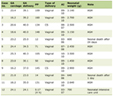 Click to view | Table 1. Baseline Clinical, Hematologic, Molecular, and Treatment Characteristics of 90 Intensively Treated Patients With Non-APL AML, Stratified by ELN 2022 Risk Category |
Cytogenetic abnormalities were identified in 30 patients (33.3%), with normal karyotype in 60 patients (66.7%). The most prevalent specific abnormalities were t(8;21) in seven patients (7.8%), inv(16) or its equivalent in four patients (4.4%), Trisomy 8 in four patients (4.4%), and monosomy 7 in two patients (2.2%). Complex karyotype was present in two patients (2.2%). Among patients with available FLT3 testing (n = 54), FLT3 mutation was detected in seven patients (13.0%). NPM1 mutation was identified in two of 46 tested patients (4.3%). The high proportion of patients with unavailable molecular testing (FLT3: 40%, NPM1: 49%) reflects real-world institutional constraints on molecular diagnostics.
Induction response
At day 28 assessment, CR was achieved in 53 patients (58.9%), resistant disease was documented in 22 patients (24.4%), and induction-induced death occurred in 15 patients (16.7%). Among patients achieving CR, 48 of 53 (90.6%) attained MRD negativity (MRD < 0.1%). CR rates stratified by ELN risk were 70.0% for favorable, 61.2% for intermediate, and 38.5% for adverse risk, with no statistically significant difference across groups (chi-square: χ2 = 2.898, df = 2, P = 0.235). Induction-induced death was markedly higher in the adverse-risk group (38.5%) compared to intermediate (13.4%) and favorable (10.0%) risk groups, reflecting the biological aggressiveness and compromised tolerance of this subpopulation.
Day 7 peripheral blast clearance and day 14 BM response were both significantly associated with CR achievement. Among patients with early day 7 blast clearance, 92.6% achieved CR compared to 40.8% among those with late clearance (chi-square: χ2 = 25.289, P < 0.0001). Day 14 BM response demonstrated an equally robust association, with 94.1% CR rate among patients with early BM clearance versus 36.1% among late responders (chi-square: χ2 = 29.963, P < 0.0001). Among patients achieving CR, 33 (62.3%) demonstrated early response kinetics and 12 (22.6%) demonstrated delayed response. OS did not differ significantly between early and delayed CR subgroups (mean OS 12.3 versus 9.2 months; t = 0.971, P = 0.337). Response outcomes are summarized in Table 2.
Click to view | Table 2. Induction Response Rates, MRD Negativity, and Survival Outcomes Stratified by ELN 2022 Risk Category |
OS and EFS
Median OS for the entire cohort was 3.0 months (mean 7.9 ± 8.8 months; IQR 1.5–12.8). Median EFS among patients with available EFS data (n = 61) was 8.0 months (mean 9.6 ± 9.2 months; IQR 1.0–14.0). EFS could not be calculated for the remaining 29 patients because relapse or treatment-failure status could not be reliably ascertained during follow-up (e.g., transfer to outpatient or community-based follow-up before a scheduled BM reassessment, or discontinuation of structured follow-up before a relapse or failure event could be documented). By contrast, OS, which depends only on vital status, could be ascertained for the entire cohort. At the time of analysis, 75 patients (83.3%) had died, and 15 patients (16.7%) remained alive.
Stratified by ELN risk category, median OS was 9.0 months for favorable-, 3.0 months for intermediate-, and 2.0 months for adverse-risk patients. The corresponding median EFS values were 11.0, 9.0, and 6.0 months, respectively. Although a gradient of decreasing survival from favorable to adverse risk was observed across all endpoints, differences in OS (log-rank χ2 = 3.498, P = 0.174) and EFS (log-rank χ2 = 3.248, P = 0.197) across ELN strata did not reach statistical significance. Kaplan–Meier survival curves for OS and EFS by ELN risk are presented in Figures 1 and 4, respectively.
 Click for large image | Figure 4. Kaplan–Meier estimates of event-free survival (EFS) stratified by European Leukemia Net (ELN) 2022 risk category among 61 patients with available EFS data. Median EFS was 11.0 months for favorable-risk, 9.0 months for intermediate-risk, and 6.0 months for adverse-risk patients (log-rank P = 0.197). Shaded regions represent 95% confidence intervals. |
Day 28 induction response exerted a markedly discriminating effect on survival. Patients achieving CR demonstrated a median OS of 11.0 months, compared to 2.5 months for those with resistant disease and 0.5 months for those who experienced induction-induced death (log-rank χ2 = 128.360, P < 0.0001). The corresponding Kaplan–Meier curves are presented in Figure 2. CR rates and survival outcomes by ELN risk group are further illustrated in Figure 5.
 Click for large image | Figure 5. (a) Complete remission (CR) rates stratified by European Leukemia Net (ELN) 2022 risk category. CR rates were 70.0% for favorable, 61.2% for intermediate, and 38.5% for adverse risk (χ2 = 2.898, P = 0.235). (b) CR rates stratified by Eastern Cooperative Oncology Group (ECOG) performance status. CR rates were highest in ECOG 1 patients (65.9%) and declined with worsening performance status (ECOG 2: 54.5%; ECOG 3: 43.8%). |
Inflammatory indices and survival
When NLR was dichotomized at the cohort median (0.95), patients with NLR at or above the median demonstrated significantly longer median OS (10.0 months) than those with NLR below the median (2.0 months; log-rank P = 0.003). ECOG performance status was significantly associated with OS, with median OS of 4.0, 3.5, and 1.0 months for ECOG 1, 2, and 3 patients, respectively (log-rank χ2 = 12.681, P = 0.002). The impact of NLR on OS and the distribution of induction response outcomes are illustrated in Figure 3.
Univariate Cox regression for OS
Univariate Cox proportional hazards analysis identified the following significant predictors of OS: day 28 induction response (HR 4.548; 95% CI 2.978–6.946; P < 0.0001), ECOG performance status (HR 1.647; 95% CI 1.194–2.272; P = 0.002), log-transformed NLR (HR 0.556; 95% CI 0.386–0.802; P = 0.002), PLR (HR 1.003; 95% CI 1.001–1.004; P = 0.001), PNI (HR 0.988; 95% CI 0.979–0.998; P = 0.014), log-transformed WBC count (HR 0.784; 95% CI 0.661–0.931; P = 0.005), and male sex (HR 0.578; 95% CI 0.366–0.913; P = 0.019). Age, ELN risk group, hemoglobin, platelet count, BM blast percentage, and MLR did not reach significance on univariate analysis. Full univariate results are presented in Table 3.
Click to view | Table 3. Univariate Cox Proportional Hazards Regression for Overall Survival |
Multivariate Cox regression and logistic regression
On multivariate Cox analysis adjusted for age, ECOG, ELN risk, log-NLR, log-WBC, and D28 response, two variables retained independent prognostic significance: day 28 induction response (adjusted HR 4.807; 95% CI 2.983–7.746; P < 0.0001) and log-transformed NLR (adjusted HR 0.560; 95% CI 0.383–0.818; P = 0.003). No other covariate reached significance after mutual adjustment. Multivariate OS Cox results are presented in Table 4 and visualized as a forest plot in Figure 6.
Click to view | Table 4. Multivariate Cox Proportional Hazards Regression for Overall Survival |
 Click for large image | Figure 6. Forest plot summarizing adjusted hazard ratios (HRs) with 95% confidence intervals from the multivariate Cox proportional hazards model for overall survival. Day 28 induction response (HR 4.81; 95% CI 2.98–7.75; P < 0.0001) and log-transformed neutrophil-to-lymphocyte ratio (NLR) (HR 0.56; 95% CI 0.38–0.82; P = 0.003) were the only independent predictors on multivariate analysis. The red dashed vertical line represents the null (HR = 1.0). |
Multivariate Cox analysis for EFS revealed that log-transformed NLR was the sole independent predictor (adjusted HR 0.556; 95% CI 0.366–0.844; P = 0.006), while ELN adverse risk demonstrated a trend toward significance (adjusted HR 3.179; 95% CI 0.849–11.899; P = 0.086) that did not meet the pre-specified threshold.
Binary logistic regression for CR achievement identified ECOG performance status as the only statistically significant predictor (OR 0.478; 95% CI 0.241–0.949; z = −2.11; P = 0.035). Age, ELN risk group, NLR, WBC count, and BM blast percentage did not independently predict CR attainment. Logistic regression results are presented in Table 5.
Click to view | Table 5. Binary Logistic Regression for Complete Remission on Day 28 |
| Discussion | ▴Top |
The present study provides a comprehensive analysis of treatment response and survival in 90 intensively treated patients with non-APL AML in a real-world cohort. Several findings carry clinical and prognostic significance. The dominant determinant of OS was day 28 induction response, which superseded ELN risk category, age, performance status, and molecular mutation status in the multivariate model. Log-transformed NLR emerged as an independent protective prognostic biomarker, consistent with its emerging role in AML stratification. Collectively, these observations reinforce the primacy of early treatment response kinetics in AML outcome prediction and highlight the potential adjunctive value of inflammatory indices in routine prognostic assessment.
The overall CR rate of 58.9% in the present cohort is consistent with published real-world data from heterogeneous AML populations receiving intensive chemotherapy, particularly in settings with a substantial proportion of older patients, those with adverse-risk disease, and individuals with comorbidities limiting induction tolerance [18–20]. The notable induction-induced death rate of 16.7%, particularly concentrated in adverse-risk patients (38.5%), is consistent with the recognized vulnerability of this subgroup and underscores the difficulty of applying standard intensive regimens uniformly across risk strata [21, 22].
The failure of ELN risk group to reach statistical significance as an OS predictor on multivariate analysis warrants careful interpretation. ELN risk stratification is designed as a population-level tool to guide selection of consolidation and maintenance strategies [1]. The present cohort may lack sufficient statistical power within individual risk strata, particularly the favorable (n = 10) and adverse (n = 13) groups, to detect differences of the magnitude observed in larger trials. Furthermore, the high proportion of patients with incomplete FLT3 and NPM1 testing (40% and 49%, respectively) introduces misclassification bias, potentially attenuating the discriminatory capacity of ELN risk categories [1, 3]. These findings do not contradict the validity of ELN stratification but rather reflect its limitations in small, resource-constrained real-world cohorts. Importantly, the absence of statistical significance for ELN risk group in this cohort should not be interpreted as evidence that ELN 2022 risk stratification lacks prognostic value; rather, it reflects this study’s limited power to detect an effect of the observed magnitude.
The magnitude of the HR for day 28 induction response (HR 4.81; P < 0.0001) positions early remission attainment as the single most powerful modifiable prognostic determinant in the present dataset. This finding aligns with data from large cooperative group trials demonstrating that CR achievement confers survival benefit independent of baseline risk category, and that failure to achieve CR markedly curtails long-term outcomes [23–25]. The high MRD negativity rate of 90.6% among patients achieving CR suggests that when remission is attained, its depth is substantial, which may partially explain the relatively favorable OS in the CR subgroup (median 11.0 months) despite an overall aggressive disease profile in the cohort.
The independent prognostic significance of log-transformed NLR on both OS (HR 0.56; P = 0.003) and EFS (HR 0.56; P = 0.006) multivariate models extends previous evidence supporting the utility of peripheral inflammatory indices in AML [20–22]. In the present analysis, higher NLR was paradoxically associated with longer OS, which may reflect the complex relationship between inflammation and immune competence in AML. Patients with suppressed NLR may represent a more immunologically depleted state, with reduced residual immune surveillance capacity, greater marrow failure, or worse nutritional status as captured by concurrent low PNI. Ye et al similarly reported that NLR-based prognostic indices contributed independent prognostic information beyond standard AML risk factors in multivariate models [21]. This association should nonetheless be interpreted as hypothesis-generating rather than establishing a causal protective role for NLR: residual confounding by disease burden, marrow cellularity, and host immune-nutritional status cannot be excluded given the retrospective design, and prospective studies incorporating serial NLR measurement and adjustment for nutritional status are warranted to clarify this relationship. The accessibility and zero additional cost of NLR calculation make it a clinically attractive adjunct to ELN stratification, particularly in settings where molecular testing is incomplete.
The significance of ECOG performance status as a predictor of CR attainment on logistic regression (OR 0.478; P = 0.035) and OS on univariate analysis (HR 1.647; P = 0.002), though attenuated in the multivariate OS model, reflects the well-established impact of functional status on treatment tolerability and remission induction capacity [5]. ECOG 3 patients in the present cohort demonstrated a median OS of only 1.0 month and a disproportionately high rate of induction-induced death, raising important questions about the appropriateness of standard-intensity regimens in this subpopulation. International guidelines recommend careful fitness assessment before committing patients with borderline performance status to intensive therapy [1, 5].
The early blast clearance analyses provide clinically actionable information at a point in time when consolidation decisions are still remediable. The strong association of day 7 peripheral blast clearance and day 14 BM response with CR achievement (both P < 0.0001) supports their use as interim response checkpoints, consistent with data from prospective trials validating early marrow assessment as a prognostic tool [4, 26]. Approximately one-third of patients demonstrated delayed response kinetics yet still achieved CR, suggesting that while early clearance is prognostically favorable, delayed CR should not automatically preclude consolidation planning.
Several limitations of the present study warrant acknowledgment. The retrospective design introduces the risk of selection bias and residual confounding from unmeasured variables. The relatively small sample size constrains the statistical power of subgroup analyses, particularly within the favorable-risk stratum. The high proportion of patients with missing molecular data limits the precision of ELN classification and precludes subgroup analyses of FLT3 and NPM1 mutation impact. The single-center setting may limit generalizability. Follow-up duration was constrained by the study period, and long-term outcomes including relapse rates and post-relapse salvage data were available for only a minority of patients. Future prospective multicenter studies with complete molecular annotation will be required to validate these observations. In addition, the standard diagnostic immunophenotypic panel used in this study did not include CD7, CD123, or terminal deoxynucleotidyl transferase (TdT); incorporation of these markers in future studies could provide additional refinement of lineage assignment and risk characterization. Patients with missing FLT3 or NPM1 status were classified as intermediate-risk in the absence of a documented favorable- or adverse-risk lesion (Section “Data collection and variables”), which may have misclassified a small number of patients relative to their true molecular risk. Finally, the proportional hazards assumption for the multivariable Cox model was supported only qualitatively by non-crossing Kaplan–Meier curves rather than by formal Schoenfeld residual testing (Section “Statistical analysis”); we recommend this as a direction for confirmatory analysis in future prospective studies.
Conclusions
Day 28 induction response constitutes the dominant independent predictor of OS in intensively treated non-APL AML in the present real-world cohort, with a four-fold to five-fold excess mortality hazard associated with treatment failure relative to CR. ELN risk stratification demonstrated a clinically meaningful gradient across favorable-, intermediate-, and adverse-risk groups, yet did not achieve statistical independence in the multivariate model, likely attributable to sample size constraints and incomplete molecular annotation. Log-transformed NLR was confirmed as an independent protective prognostic biomarker on both OS and EFS multivariate models, reinforcing the value of inflammatory indices as accessible adjuncts to standard risk stratification. This observed association should be interpreted cautiously given the retrospective design and the potential for residual confounding and requires prospective validation before NLR can be regarded as a confirmed protective biomarker. ECOG performance status independently predicted CR achievement, supporting careful patient selection prior to intensive induction. These data collectively argue for the early incorporation of response kinetics and inflammatory profiling into routine AML prognostic frameworks, and underscore the need for prospective validation in larger, molecularly annotated cohorts.
Acknowledgments
None to declare.
Financial Disclosure
No external funding was received for this study.
Conflict of Interest
The authors declare no conflict of interest relevant to the content of the manuscript.
Author Contributions
First author Ahmed Akef and joint first author Ebtesam Elgezawy participated equally in the work, all authors contributed to study conception and design, data acquisition, statistical analysis, manuscript drafting, and critical revision. All authors have approved the final version for submission.
Data Availability
The datasets generated and analyzed during the current study are available from the corresponding author on reasonable request.
| References | ▴Top |
- Dohner H, Wei AH, Appelbaum FR, Craddock C, DiNardo CD, Dombret H, Ebert BL, et al. Diagnosis and management of AML in adults: 2022 recommendations from an international expert panel on behalf of the ELN. Blood. 2022;140(12):1345-1377.
doi pubmed - Shallis RM, Wang R, Davidoff A, Ma X, Zeidan AM. Epidemiology of acute myeloid leukemia: Recent progress and enduring challenges. Blood Rev. 2019;36:70-87.
doi pubmed - Arber DA, Orazi A, Hasserjian RP, Borowitz MJ, Calvo KR, Kvasnicka HM, Wang SA, et al. International consensus classification of myeloid neoplasms and acute leukemias: integrating morphologic, clinical, and genomic data. Blood. 2022;140(11):1200-1228.
doi pubmed - Estey EH. Acute myeloid leukemia: 2021 update on risk-stratification and management. Am J Hematol. 2020;95(11):1368-1398.
doi pubmed - Sekeres MA, Guyatt G, Abel G, Alibhai S, Altman JK, Buckstein R, Choe H, et al. American Society of Hematology 2020 guidelines for treating newly diagnosed acute myeloid leukemia in older adults. Blood Adv. 2020;4(15):3528-3549.
doi pubmed - Burnett AK, Hills RK, Milligan D, Kjeldsen L, Kell J, Russell NH, Yin JA, et al. Identification of patients with acute myeloblastic leukemia who benefit from the addition of gemtuzumab ozogamicin: results of the MRC AML15 trial. J Clin Oncol. 2011;29(4):369-377.
doi pubmed - Heuser M, Freeman SD, Ossenkoppele GJ, Buccisano F, Hourigan CS, Ngai LL, Tettero JM, et al. 2021 Update on MRD in acute myeloid leukemia: a consensus document from the European LeukemiaNet MRD Working Party. Blood. 2021;138(26):2753-2767.
doi pubmed - Stone RM, Mandrekar SJ, Sanford BL, Laumann K, Geyer S, Bloomfield CD, Thiede C, et al. Midostaurin plus Chemotherapy for Acute Myeloid Leukemia with a FLT3 Mutation. N Engl J Med. 2017;377(5):454-464.
doi pubmed - Perl AE, Martinelli G, Cortes JE, Neubauer A, Berman E, Paolini S, et al. Gilteritinib or chemotherapy for relapsed or refractory FLT3-mutated AML. N Engl J Med. 2019;381(18):1728-1740.
- Falini B, Mecucci C, Tiacci E, Alcalay M, Rosati R, Pasqualucci L, La Starza R, et al. Cytoplasmic nucleophosmin in acute myelogenous leukemia with a normal karyotype. N Engl J Med. 2005;352(3):254-266.
doi pubmed - Papaemmanuil E, Gerstung M, Bullinger L, Gaidzik VI, Paschka P, Roberts ND, Potter NE, et al. Genomic classification and prognosis in acute myeloid leukemia. N Engl J Med. 2016;374(23):2209-2221.
doi pubmed - Wei AH, Dohner H, Pocock C, Montesinos P, Afanasyev B, Dombret H, Ravandi F, et al. Oral azacitidine maintenance therapy for acute myeloid leukemia in first remission. N Engl J Med. 2020;383(26):2526-2537.
doi pubmed - DiNardo CD, Jonas BA, Pullarkat V, Thirman MJ, Garcia JS, Wei AH, Konopleva M, et al. Azacitidine and venetoclax in previously untreated acute myeloid leukemia. N Engl J Med. 2020;383(7):617-629.
doi pubmed - Zhang Q, Yang Q, Weng Y, Huang Z, Chen R, Zhu Y, Dai K, et al. Neutrophil-to-lymphocyte ratio correlates with prognosis and response to chemotherapy in patients with non-M3 de novo acute myeloid leukemia. Transl Cancer Res. 2021;10(2):1013-1024.
doi pubmed - Dabir M, Abdolbaghaei A, Zoghi F, Karpasand F, Maleki A. Prognostic significance of neutrophil-to-lymphocyte, platelet-to-lymphocyte, and monocyte-to-lymphocyte ratios in myeloid neoplasms: a systematic review. Health Sci Rep. 2026;9(9):e73049.
doi pubmed - Burul G, Goze H, Yalcinkaya I, Cinli TA, Ayer M, Serin I. Comparative prognostic performance of nutritional indices in acute myeloid leukemia. J Clin Med. 2026;15(16):6179.
doi pubmed - World Medical A. World Medical Association Declaration of Helsinki: ethical principles for medical research involving human subjects. JAMA. 2013;310(20):2191-2194.
doi pubmed - Oran B, Weisdorf DJ. Survival for older patients with acute myeloid leukemia: a population-based study. Haematologica. 2012;97(12):1916-1924.
doi pubmed - Yanada M, Matsuo K, Suzuki T, Kiyoi H, Naoe T. Prognostic significance of FLT3 internal tandem duplication and tyrosine kinase domain mutations for acute myeloid leukemia: a meta-analysis. Leukemia. 2005;19(8):1345-1349.
doi pubmed - Grimwade D, Hills RK, Moorman AV, Walker H, Chatters S, Goldstone AH, Wheatley K, et al. Refinement of cytogenetic classification in acute myeloid leukemia: determination of prognostic significance of rare recurring chromosomal abnormalities among 5876 younger adult patients treated in the United Kingdom Medical Research Council trials. Blood. 2010;116(3):354-365.
doi pubmed - Xue YL, Shi XL, Jia YT, Hao JJ, Luo SQ. NLR combined with platelet-to-lymphocyte ratio as a predictor of disease progression and prognosis in patients with acute myeloid leukemia. Int J Gen Med. 2021;14:5375-5384.
- Ye H, Zhou X, Lai X, Xiao Y, Zhang X, Li Y, et al. Pretreatment neutrophil-to-lymphocyte ratio as a prognostic biomarker for acute myeloid leukemia patients. Cancer Manag Res. 2021;13:4557-4564.
- Rashidi A, Fisher SI. Prognostic significance of neutrophil-to-lymphocyte ratio at diagnosis in acute myeloid leukemia. Blood Adv. 2021;5(23):4883-4889.
- Buccisano F, Maurillo L, Del Principe MI, Del Poeta G, Sconocchia G, Lo-Coco F, Arcese W, et al. Prognostic and therapeutic implications of minimal residual disease detection in acute myeloid leukemia. Blood. 2012;119(2):332-341.
doi pubmed - Venditti A, Buccisano F, Del Poeta G, Maurillo L, Tamburini A, Cox C, Battaglia A, et al. Level of minimal residual disease after consolidation therapy predicts outcome in acute myeloid leukemia. Blood. 2000;96(12):3948-3952.
pubmed - Kantarjian H, Kadia T, DiNardo C, Daver N, Borthakur G, Jabbour E, Garcia-Manero G, et al. Acute myeloid leukemia: current progress and future directions. Blood Cancer J. 2021;11(2):41.
doi pubmed
This article is distributed under the terms of the Creative Commons Attribution 4.0 International License (CC BY 4.0), which permits unrestricted use, distribution, and reproduction in any medium, including commercial use, provided the original work is properly cited.
World Journal of Oncology is published by Elmer Press Inc.