| World Journal of Oncology, ISSN 1920-4531 print, 1920-454X online, Open Access |
| Article copyright, the authors; Journal compilation copyright, World J Oncol and Elmer Press Inc |
| Journal website https://wjon.elmerpub.com |
Original Article
Volume 17, Number 6, December 2026, pages 844-857

CDK4/6 Inhibitors and Endocrine Therapy in Hormone Receptor-Positive/Human Epidermal Growth Factor Receptor 2-Negative Metastatic Breast Cancer: A Multicenter Real-World Cohort
Daniel Marin-Triguerosa  , Denis U. Landaverdea, b, c
aMedical Oncology Department, Hospital Mexico, Caja Costarricense de Seguro Social, La Uruca, San Jose, Costa Rica
bFaculty of Medicine, Universidad de Costa Rica, San Jose, Costa Rica
cCorresponding Author: Denis U. Landaverde, Medical Oncology Department, Hospital Mexico, Caja Costarricense de Seguro Social, La Uruca, San Jose 10107, Costa Rica
Manuscript submitted July 10, 2026, accepted September 24, 2026, published online November 11, 2026
Short title: Real-World CDK4/6 Inhibitors in Costa Rica
doi: https://doi.org/10.14740/wjon2846
| Abstract | ▴Top |
Background: Cyclin-dependent kinase 4/6 (CDK4/6) inhibitors combined with endocrine therapy are standard treatment for hormone receptor (HR)-positive, human epidermal growth factor receptor 2 (HER2)-negative metastatic breast cancer, but Latin American patients were underrepresented in the pivotal trials, and real-world data from public health systems remain scarce. We aimed to describe the effectiveness and safety of these agents in the Costa Rican public health system and to explore differences between palbociclib and ribociclib.
Methods: We conducted a retrospective, multicenter cohort study of adults with HR-positive/HER2-negative metastatic breast cancer who started palbociclib or ribociclib plus endocrine therapy in first or later lines of therapy at four hospitals of the Costa Rican Social Security Fund (treatment indicated 2017–2021). Progression-free survival (PFS) and overall survival (OS), measured from CDK4/6 inhibitor initiation, were estimated with the Kaplan–Meier method. The inhibitor comparison was exploratory and was adjusted with a multivariable Cox model with covariates selected a priori and with inverse probability of treatment weighting. Dose reduction was analyzed as a time-dependent covariate and with landmark analyses.
Results: Of 234 patients identified, 14 died or progressed before treatment could start; 220 patients were analyzed (palbociclib 65.5%, ribociclib 34.5%; first-line 60.9%). At a median follow-up of 45.1 months, median PFS was 19.4 months and median OS was 29.1 months (first-line: 24.4 and 39.7 months; second or later line: 15.0 and 23.3 months). PFS and OS did not differ significantly between inhibitors (adjusted hazard ratio (HR) for ribociclib versus palbociclib: PFS 0.89, 95% confidence interval (CI) 0.62–1.26; OS 0.92, 95% CI 0.63–1.36). Eastern Cooperative Oncology Group (ECOG) performance status 1 and the second or later line of therapy were independently associated with shorter PFS and OS. Grade 3/4 adverse events were recorded in 20.5% of patients (grade 3/4 neutropenia 18.6%). Dose reduction, required in 15.9% of patients and analyzed as a time-dependent covariate, was not associated with PFS (adjusted HR 1.04, 95% CI 0.67–1.61) or OS (adjusted HR 0.77, 95% CI 0.46–1.30).
Conclusions: In this national public-system cohort, CDK4/6 inhibitors were deliverable with a manageable, predominantly hematological toxicity profile. PFS was in the range reported in trials and real-world series, whereas OS was shorter than in the registration trials and in other large real-world cohorts, particularly beyond first line. No significant difference was observed between ribociclib and palbociclib after adjustment, and dose reduction did not appear to compromise effectiveness.
Keywords: Breast neoplasms; CDK4/6 inhibitors; Endocrine therapy; Palbociclib; Ribociclib; Real-world evidence; Overall survival; Costa Rica
| Introduction | ▴Top |
Breast cancer is the most commonly diagnosed cancer in women worldwide; about 2.3 million new cases and 666,000 deaths were estimated for 2022 [1], and both incidence and mortality are projected to rise substantially by 2040, with the steepest relative increases in lower-resource countries [2]. Costa Rica follows the same pattern: breast cancer is a leading cause of cancer death among Costa Rican women, and the Ministry of Health reported 398 breast cancer deaths in 2022 [3]. Improving access to effective, evidence-based treatment is therefore a public health priority for the country.
Estrogen-receptor signaling promotes cell-cycle entry largely through the cyclin D1-cyclin-dependent kinase 4/6 (CDK4/6) axis, which phosphorylates the retinoblastoma protein and releases the G1-S checkpoint. Pharmacological blockade of CDK4/6 therefore complements endocrine therapy. In the MONALEESA (ribociclib) and PALOMA (palbociclib) phase 3 trial programs, adding a CDK4/6 inhibitor to endocrine therapy consistently prolonged progression-free survival (PFS), and overall survival (OS) was significantly improved across all three MONALEESA trials, in pre- and postmenopausal women alike [4–13].
Within the Caja Costarricense de Seguro Social (CCSS), the social-security institution that provides universal health coverage to the Costa Rican population, CDK4/6 inhibitors combined with endocrine therapy became available for hormone receptor (HR)-positive/human epidermal growth factor receptor 2 (HER2)-negative metastatic breast cancer during the last decade. However, Latin American women were a small minority of the participants in the registration trials, and effectiveness and safety data from Central American public health systems are almost nonexistent. Whether the benefit observed in trials is reproduced in routine public-sector practice, with its own patient profile, monitoring schedules and access constraints, is therefore uncertain. We conducted a retrospective, multicenter cohort study to describe the effectiveness and safety of CDK4/6 inhibitors plus endocrine therapy in the CCSS. As secondary and exploratory aims, we compared palbociclib with ribociclib and described clinical factors associated with outcomes.
| Materials and Methods | ▴Top |
Study design and setting
We performed a retrospective, observational cohort study at the four CCSS hospitals that prescribed CDK4/6 inhibitors during the study period: Hospital Mexico, Hospital San Juan de Dios, Hospital Calderon Guardia and Hospital Max Peralta. All consecutive patients for whom a CDK4/6 inhibitor was indicated between 2017 and 2021 were screened; therefore, no sampling was performed. The study was reported according to the Strengthening the Reporting of Observational Studies in Epidemiology (STROBE) statement [14].
Participants
Eligible patients were adults with HR-positive/HER2-negative metastatic or unresectable locally advanced breast cancer who started palbociclib or ribociclib combined with endocrine therapy for advanced disease. Line of therapy was recorded as the number of the systemic regimen for advanced disease in which the CDK4/6 inhibitor was given; there was no restriction on the line of therapy. Patients for whom a CDK4/6 inhibitor was indicated but who never started treatment (because of death or disease progression before drug dispensing) were excluded because no exposure time could be attributed to them. Clinical information was abstracted from electronic and paper medical records using a standardized data collection form.
Variables and endpoints
The following data were recorded: age at diagnosis; stage at diagnosis (de novo metastatic or not); Eastern Cooperative Oncology Group (ECOG) performance status and menopausal status at the start of the CDK4/6 inhibitor; (neo)adjuvant treatment and its duration; disease-free interval (DFI, from diagnosis of early breast cancer to recurrence); metastatic sites; systemic therapies for advanced disease received before the CDK4/6 inhibitor; inhibitor, endocrine partner, line of therapy and start date; dose reductions (number, reason and time from treatment start); and adverse events, graded according to the Common Terminology Criteria for Adverse Events (CTCAE) version 5.0. Visceral disease was defined as involvement of the lung, liver, central nervous system, peritoneum, pericardium, adrenal gland, ovary, stomach or pancreas. Metastatic pattern was classified as nonvisceral (bone, lymph node and/or soft tissue only), visceral without liver involvement or liver involvement.
PFS was defined as the time from CDK4/6 inhibitor initiation to documented disease progression or death from any cause, and OS was defined as the time from initiation to death from any cause. Patients without an event were censored at the date of the last clinical contact recorded at data collection (May to June 2024). Time was converted to months by dividing days by 30.4375. Information on treatments received after progression was not part of the data collection form and was therefore not available.
Statistical analysis
Continuous variables were summarized as medians and interquartile ranges (IQRs) and compared using the Mann–Whitney U test; categorical variables were summarized as counts and percentages and compared using the Chi-square test. Median follow-up was calculated using the reverse Kaplan-Meier method. PFS and OS were estimated using the Kaplan–Meier method, with 95% confidence intervals (CIs) obtained with the log-log transformation, and compared using the log-rank test.
Cox proportional hazards regression was used in three steps. First, univariable models estimated the unadjusted association of each candidate variable with PFS and OS. Second, a multivariable model was fitted for each endpoint. Its covariates were selected a priori, before modeling and without stepwise procedures, on the basis of established prognostic relevance in metastatic breast cancer and baseline imbalance between inhibitors: CDK4/6 inhibitor, line of therapy (first versus second or later), ECOG performance status (1 versus 0), age (70 years or older versus younger), menopausal status, disease presentation (de novo metastatic, recurrence with DFI < 5 years, or recurrence with DFI ≥ 5 years), metastatic pattern (as defined above) and number of metastatic sites (three or more versus fewer). The model had 10 parameters, giving approximately 13 (OS) and 17 (PFS) events per parameter. One patient with a missing DFI was excluded from the multivariable models (n = 219); all other covariates were complete; therefore, no imputation was performed. Central nervous system metastases (n = 8) were too infrequent to be modeled. Hazard ratios (HRs) greater than 1 indicated a higher hazard for the category shown versus the reference. The proportional hazards assumption was assessed for every model using scaled Schoenfeld residuals (cox.zph test) and visual inspection; no violation was detected (global P = 0.564 for OS and 0.466 for PFS). Model discrimination is reported as Harrell’s concordance index. Third, because treatment was not randomized, the inhibitor comparison was considered exploratory. Its robustness was examined in the following sensitivity analyses: additional adjustment for the endocrine partner (not included in the main model because the PARSIFAL trial showed no efficacy difference between fulvestrant and letrozole combined with palbociclib [15] and because partner choice is largely determined by line of therapy); stratification by hospital; stratification by line of therapy; restriction to patients treated in the first or second line; a test of the inhibitor-by-line interaction; and inverse probability of treatment weighting (IPTW). For IPTW, a logistic propensity score model including all covariates of the main model plus the endocrine partner was used to derive stabilized weights. Balance was checked using standardized mean differences (all < 0.10 after weighting), and a weighted Cox model with robust variance was fitted.
The association between line of therapy and outcomes was interpreted only as a prognostic association. Because time zero was CDK4/6 inhibitor initiation and the date of metastatic diagnosis was not captured, patients treated in later lines had already survived a period of metastatic disease before entering the cohort. The study was not designed to compare treatment strategies (first- versus second-line use), which would require time zero at metastatic diagnosis and methods such as time-dependent Cox regression or landmark analysis.
Dose reduction can only occur in patients who remain on treatment long enough to need it, so a baseline comparison of patients with and without reduction is affected by immortal time bias. Dose reduction was therefore modeled as a time-dependent covariate that changed from zero to one at the recorded time of the first reduction (reductions recorded after the event were ignored). The models were evaluated unadjusted and adjusted first for inhibitor, line, ECOG performance status and menopausal status, and then for all covariates of the main model. In sensitivity analyses, landmark analyses at 3 and 6 months compared patients with and without a reduction by the landmark among those still event-free at that time. The conventional (baseline) Kaplan–Meier comparison is reported only to illustrate the direction of the bias.
All tests were two-sided with a significance level of 0.05, without correction for multiple comparisons. Results of secondary analyses should be interpreted as exploratory. Data were managed using Microsoft Excel, and all survival analyses reported in this revised version were performed using R version 4.3.3 (package survival version 3.5-8).
Ethical statements
This study was conducted in compliance with the ethical standards of the responsible institution and with the Declaration of Helsinki, and was approved by the Comite Etico-Cientifico Central (CEC-CENTRAL) of the CCSS (Institutional Review Board approval, Protocol R024-SABI-00350; approved on March 18, 2024, Session 010-2024). Given the retrospective design, based on the review of existing medical records, the committee granted a waiver of individual informed consent. No identifiable patient images or individual-level identifiers were included in this manuscript.
| Results | ▴Top |
Patient characteristics
A total of 234 patients with an indication for a CDK4/6 inhibitor were identified. Fourteen (6.0%) were excluded because they died and/or progressed before the drug could be started. This left 220 patients for analysis, whose effective treatment start dates ranged from February 2017 to April 2022 (Hospital San Juan de Dios, n = 79; Hospital Mexico, n = 58; Hospital Calderon Guardia, n = 58; Hospital Max Peralta, n = 25) (Fig. 1). Baseline characteristics are shown in Table 1. The median age at diagnosis was 53 years (IQR 45–61), 17 patients (7.7%) were 70 years or older, 66 (30.0%) had an ECOG performance status of 1, and 180 (81.8%) were postmenopausal when the inhibitor was started. Seventy-four patients (33.6%) had de novo metastatic disease. Of the 146 patients with recurrent disease, 109 (74.7%) had received chemotherapy and endocrine therapy for early disease. The median adjuvant endocrine therapy duration was 5 years (IQR 3–5), and the median DFI was 5 years (IQR 3–9). Additionally, 63 patients (43.2%) relapsed while still receiving adjuvant endocrine therapy.
 Click for large image | Figure 1. Study flow diagram. Of 234 patients with an indication for a CDK4/6 inhibitor, 14 were excluded because they died and/or progressed before the drug could be initiated. CCSS: Caja Costarricense de Seguro Social; CDK4/6: cyclin-dependent kinase 4/6; HER2: human epidermal growth factor receptor 2; HR: hormone receptor; PFS: progression-free survival. |
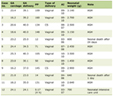 Click to view | Table 1. Baseline Characteristics of the 220 Patients, Overall and by CDK4/6 Inhibitor |
Bone (76.8%) and lung (51.4%) were the most frequent metastatic sites, followed by the liver (23.6%) and central nervous system (3.6%). One hundred thirty-six patients (61.8%) had visceral disease, 58 (26.4%) had bone-only disease and 60 (27.3%) had three or more metastatic sites. Palbociclib was prescribed to 144 patients (65.5%) and ribociclib to 76 patients (34.5%). The CDK4/6 inhibitor was used in the first line in 134 patients (60.9%) and in a later line in 86 (39.1%): second line in 50, third line in 25, fourth line in five and fifth line in six. The endocrine partner was fulvestrant in 121 patients (55.0%), letrozole in 95 (43.2%), exemestane in three, and tamoxifen in one. Compared with palbociclib, patients receiving ribociclib were younger (median 51 versus 54 years, P = 0.033), were more often premenopausal (31.6% versus 11.1%, P < 0.001), less often received fulvestrant (43.4% versus 61.1%, P = 0.041) and were less often treated in the third or later line (5.3% versus 22.2%; distribution of line, P = 0.005). Metastatic pattern, number of sites, ECOG performance status and disease presentation were similar between groups.
Effectiveness
At data cutoff the median follow-up was 45.1 months (95% CI 41.9–49.1). A total of 168 PFS events and 135 deaths (61.4%) had been recorded. In the whole cohort, median PFS was 19.4 months (95% CI 17.1–23.6) and median OS was 29.1 months (95% CI 25.2–38.2) (Table 2). Median PFS was 24.4 months (95% CI 19.2–33.0) in the first line and 15.0 months (95% CI 11.3–20.0) in the second or later lines. The corresponding median OS values were 39.7 months (95% CI 30.7–not reached) and 23.3 months (95% CI 17.6–27.8) (Fig. 2). Outcomes were similar for patients treated in the second line (PFS 15.4 months; OS 23.0 months) and in third or later lines (PFS 15.0 months; OS 24.7 months).
Click to view | Table 2. Progression-Free and Overall Survival, by Line of Treatment and by Inhibitor |
 Click for large image | Figure 2. Kaplan-Meier estimates of (a) progression-free survival and (b) overall survival by line of treatment (first line, solid line; second or later line, dashed line). Time zero is CDK4/6 inhibitor initiation; the curves describe prognosis by line of treatment and do not compare first line versus deferred treatment strategies. CDK4/6: cyclin-dependent kinase 4/6; CI: confidence interval; HR: hazard ratio. |
Median PFS was 19.2 months (95% CI 16.4–23.6) with palbociclib and 21.1 months (95% CI 15.5–33.9) with ribociclib (unadjusted HR 0.83, 95% CI 0.60–1.16; P = 0.274), and median OS was 27.5 months (95% CI 23.5–35.5) and 39.9 months (95% CI 24.9–not reached), respectively (HR 0.83, 95% CI 0.58–1.20; P = 0.322) (Table 2, Fig. 3). Within the same line of therapy, the inhibitors had similar outcomes. In the first line, median OS was 38.2 months with palbociclib and 42.3 months with ribociclib (HR 0.99, 95% CI 0.61–1.60), and in the second or later lines, 23.2 and 24.6 months, respectively (HR 0.79, 95% CI 0.44–1.40) (Table 2).
 Click for large image | Figure 3. Kaplan-Meier estimates of (a) progression-free survival and (b) overall survival by CDK4/6 inhibitor (palbociclib, solid line; ribociclib, dashed line). Tick marks indicate censored observations; numbers at risk are shown below each panel. Hazard ratios are unadjusted. CDK4/6: cyclin-dependent kinase 4/6; CI: confidence interval; HR: hazard ratio. |
Univariable and multivariable analyses
In univariable analyses (Table 3), treatment in the second or later line and an ECOG performance status of 1 were associated with shorter PFS and OS. Age of 70 years or older and central nervous system involvement (n = 8; PFS HR 2.74, 95% CI 1.34–5.61; OS HR 2.25, 95% CI 1.05–4.82) were associated with shorter OS, and metastatic pattern was associated with PFS (global P = 0.013). Fulvestrant as the endocrine partner was associated with shorter PFS (HR 1.66, 95% CI 1.22–2.27) and OS (HR 1.57, 95% CI 1.11–2.23), but this association was no longer apparent once line of therapy and the other covariates were taken into account (PFS HR 1.29, 95% CI 0.86–1.93; OS HR 1.17, 95% CI 0.74–1.84). Among patients treated beyond the first line, previous chemotherapy for metastatic disease (n = 36) was not associated with PFS (HR 0.91, 95% CI 0.58–1.45) or OS (HR 0.91, 95% CI 0.55–1.50).
Click to view | Table 3. Univariable and Multivariable Cox Regression for Progression-Free and Overall Survival |
In the multivariable models (Table 3), ECOG performance status 1 (PFS HR 1.69, 95% CI 1.20–2.37; OS HR 1.50, 95% CI 1.03–2.19) and treatment in the second or later line (PFS HR 1.82, 95% CI 1.32–2.52; OS HR 1.72, 95% CI 1.20–2.45) remained independently associated with outcomes. Age of 70 years or older showed a nonsignificant trend toward shorter OS (HR 1.75, 95% CI 0.94–3.26; P = 0.077). Menopausal status, disease presentation and DFI, metastatic pattern (including liver involvement) and number of metastatic sites were not independently associated with PFS or OS. The adjusted HRs for ribociclib versus palbociclib were 0.89 (95% CI 0.62–1.26) for PFS and 0.92 (95% CI 0.63–1.36) for OS. The concordance indices were 0.62 (PFS) and 0.63 (OS).
The absence of a significant difference between inhibitors was consistent across all sensitivity analyses (Table 4), including IPTW (PFS HR 0.89, 95% CI 0.61–1.30; OS HR 0.89, 95% CI 0.60–1.33), stratification by line of therapy or hospital, and restriction to patients treated in the first and second. There was no evidence of an inhibitor-by-line interaction (PFS P = 0.729; OS P = 0.833).
Click to view | Table 4. Sensitivity Analyses for the Comparison of Ribociclib Versus Palbociclib and for Dose Reduction |
Safety
At least one adverse event was recorded in 114 patients (51.8%), and grade 3/4 events in 45 patients (20.5%), without a significant difference between inhibitors (palbociclib 19.4% versus ribociclib 22.4%, P = 0.609) (Tables 5, 6). Hematological toxicity predominated. Neutropenia of any grade was recorded in 90 patients (40.9%) and grade 3/4 neutropenia in 41 patients (18.6%; palbociclib 18.8%, ribociclib 18.4%). Grade 4 neutropenia occurred in six patients (2.7%), and no episodes of febrile neutropenia were recorded in the charts. Anemia (6.8%) and thrombocytopenia (6.4%) were mostly grade 1/2, and fatigue (5.0%) was the most frequent non-hematological event. QT interval prolongation occurred only with ribociclib (two of 76 patients (2.6%); grade 1 and grade 2). Liver enzyme values were not systematically documented; therefore, hepatotoxicity could not be assessed. Because adverse events were abstracted retrospectively from routine records, these rates should be regarded as minimum estimates.
Click to view | Table 5. Adverse Events by Grade (CTCAE v5.0), All Patients (n = 220) |
Click to view | Table 6. Toxicity and Dose Reduction by CDK4/6 Inhibitor |
Dose reduction
Thirty-five patients (15.9%) required a dose reduction (palbociclib 15.3%, ribociclib 17.1%; P = 0.725): 25 needed one dose-level reduction and 10 needed two. Neutropenia was the reason in 22 patients (62.9%), and in 24 (68.6%) when combined reasons are included. The remaining reductions were due to fatigue, diarrhea, QT prolongation, rash or thrombocytopenia, and the reason was not recorded in two patients. The median time from treatment start to the first reduction was 6 months (IQR 3–11); 12 reductions occurred within the first 3 months and 23 thereafter.
In the conventional baseline comparison, patients with a dose reduction appeared to have longer PFS (24.5 versus 18.3 months; log-rank P = 0.144) and OS (39.9 versus 27.2 months; log-rank P = 0.053). When dose reduction was analyzed as a time-dependent covariate, it was not associated with PFS (adjusted HR 1.04, 95% CI 0.67–1.61; P = 0.874) or OS (adjusted HR 0.77, 95% CI 0.46–1.30; P = 0.330), and the results were similar with adjustment for all covariates of the main model (PFS HR 0.95, 95% CI 0.60–1.52; OS HR 0.73, 95% CI 0.43–1.25). Landmark analyses gave concordant results. At 6 months (Fig. 4), the adjusted HRs for reduction by the landmark were 0.94 (95% CI 0.51–1.75) for PFS and 0.93 (95% CI 0.50–1.72) for OS. At 3 months, the adjusted HRs were 1.17 (95% CI 0.59–2.32) and 0.80 (95% CI 0.37–1.73), respectively, although these estimates are based on few reductions (12 to 19) and were imprecise.
 Click for large image | Figure 4. Six-month landmark analysis of (a) progression-free survival and (b) overall survival according to dose reduction by month 6 (no reduction, solid line; reduction, dashed line), restricted to patients who were event-free at 6 months. Hazard ratios are adjusted for inhibitor, line of treatment, ECOG performance status and menopausal status. CI: confidence interval; ECOG: Eastern Cooperative Oncology Group; HR: hazard ratio; mo: months; OS: overall survival; PFS: progression-free survival. |
| Discussion | ▴Top |
This multicenter cohort describes the use of CDK4/6 inhibitors plus endocrine therapy in the Costa Rican public health system. Treatment was deliverable in routine practice across four hospitals, with a predominantly hematological and manageable toxicity profile. PFS was within the range of published trials and real-world experience, particularly in the first line, whereas OS was shorter than in the registration trials and in other large real-world cohorts. After adjustment, we found no significant difference between ribociclib and palbociclib, and dose reduction did not appear to compromise effectiveness.
Effectiveness in the context of trials and real-world data
Because our cohort combined first-line and later-line use, comparisons with other studies are most meaningful by line of therapy. In the first line, the median PFS of 24.4 months is close to that of the pivotal first-line trials, in which median PFS was approximately 24 to 25 months with palbociclib or ribociclib plus letrozole [8, 10], and to the favorable outcomes reported in first-line real-world series from Australia and Spain [16, 17]. Median OS in the first line (39.7 months), however, was shorter than in the PALOMA-2 and MONALEESA-2 trials [9, 11] and in large real-world cohorts from high-income or upper-middle-income settings, such as the P-REALITY X trial (median OS 49.1 months with palbociclib plus an aromatase inhibitor) [18] and the Thai CEPRA study (48.7 to 59.1 months) [19]. Beyond the first line, median PFS (15.0 months) was comparable to or longer than that reported in the PALOMA-3 trial [12, 13] and in a large Chinese multicenter cohort [20], whereas median OS (23.3 months) was again shorter than in the trials.
Several features of our population may explain the shorter OS and should prevent a direct comparison with trial results. First, patients were unselected: one-third had de novo metastatic disease, 61.8% had visceral involvement and 30.0% had an ECOG performance status of 1. Second, the population was largely endocrine-resistant: 43.2% of patients with recurrent disease relapsed while on adjuvant endocrine therapy, a group excluded from the first-line trials, and 36 patients (16.4% of the cohort) received the inhibitor in the third or later lines. Third, during the study period, access to the drugs frequently required a constitutional appeal (recurso de amparo), which delayed treatment initiation, and 14 patients died or progressed before the drug could be started. Finally, as discussed below, we have no information on post-progression therapy, which is a major determinant of OS. The numerically longer OS in our first-line patients compared with later lines should not be read as evidence for a sequencing strategy. Time zero was the start of the inhibitor, so later-line patients entered the cohort after an unmeasured period of metastatic disease and after having developed resistance to prior therapies. Their shorter survival from that point mainly reflects more advanced and resistant disease. The randomized SONIA trial, which specifically addressed the timing question, showed that deferring the CDK4/6 inhibitor to the second line did not shorten OS (median 47.9 versus 48.1 months) [21, 22]. The association between line of therapy and outcome in our study is therefore reported only as a prognostic finding that required adjustment in the inhibitor comparison.
Performance status, an established prognostic factor in metastatic breast cancer, was the other factor independently associated with PFS and OS. A large Chinese multicenter cohort identified liver metastases, the number of metastatic sites and treatment line as independent prognostic factors for PFS [20]. In our adjusted models, however, liver metastases, visceral disease, the number of metastatic sites, DFI and age were not independently associated with outcome. Although older age showed a trend toward shorter OS, liver involvement was associated with PFS in univariable analysis, and central nervous system involvement, present in only eight patients, was associated with shorter survival. The limited number of events in some categories reduces power for these variables; therefore, their lack of statistical significance should not be interpreted as an absence of prognostic value.
Palbociclib versus ribociclib
The unadjusted median OS was 12 months longer with ribociclib, but this difference was neither statistically significant nor robust. The two groups differed in the distribution of line of therapy. Ribociclib was used more frequently in the first line (69.7% versus 56.3%) and much less frequently in the third or later lines (5.3% versus 22.2%), and ribociclib-treated patients were younger. When the comparison was made within the same line of therapy, OS was almost identical in the first line (HR 0.99). After adjustment for line of therapy and the other covariates selected a priori, or after IPTW, the HR moved toward the null (0.92 and 0.89, respectively), with wide CIs. These results therefore suggest that most of the crude difference reflected confounding by line of therapy and patient selection, rather than a drug effect, although our study was not powered to exclude a clinically relevant difference. In the registration trials, OS benefit was statistically significant across the three MONALEESA trials [5, 7, 9] but not in PALOMA-2 or PALOMA-3 [11, 13]. However, cross-trial differences in design, populations and post-progression therapy limit such comparisons, and a network meta-analysis found no significant OS difference between CDK4/6 inhibitors [23]. Real-world comparative studies have also reported heterogeneous results [19]. Until randomized head-to-head data become available, the choice between agents in our setting may reasonably be guided by toxicity profile, comorbidities (such as QT-interval risk), drug interactions, monitoring requirements and availability.
The predominance of fulvestrant as the endocrine partner reflects a largely endocrine-pretreated population. In the aromatase inhibitor-resistant setting, palbociclib plus endocrine therapy was not inferior to capecitabine in the PEARL trial [24], and the PARSIFAL trial found no efficacy difference between fulvestrant and letrozole combined with palbociclib in endocrine-sensitive disease [15]. In our data, the unadjusted association of fulvestrant with shorter survival disappeared after adjustment, consistent with confounding by line of therapy.
Safety and neutropenia
Toxicity was mainly hematological, similar between agents and manageable; QT prolongation, observed only with ribociclib, was low-grade. The rate of grade 3/4 neutropenia (18.6%), however, was markedly lower than in the registration trials, where it was reported in approximately 60–66% of patients (for example, 66.4% in PALOMA-2 and about 60% in the pooled MONALEESA trials) [25, 26]. We believe that this difference is mostly methodological. The trials measured complete blood counts on days 1 and 15 of the first two cycles and at every cycle thereafter, grading every laboratory abnormality prospectively. In contrast, routine practice blood counts are usually obtained only before each cycle, often after the neutrophil nadir, and asymptomatic laboratory neutropenia that does not change management is frequently not recorded in the clinical notes. Our data collection form also captured a limited number of adverse events per patient. Under-ascertainment is further suggested by the fact that the proportion of patients with any adverse event (51.8%) was far below that of the trials. In addition, clinicians may manage neutropenia with cycle delays or interruptions (which were not captured) rather than with documented dose reductions. Biological or population factors could also contribute: the frequency and depth of palbociclib-associated neutropenia vary between populations, being higher, for example, in Asian patients [26], and the Costa Rican population has not been characterized in this respect. Nevertheless, a real-world Chinese cohort reported grade 3/4 neutropenia in 46% of patients [20], showing that such rates can be captured outside trials when monitoring is systematic. We therefore regard our figures as minimum estimates and cannot conclude that CDK4/6 inhibitors are less myelotoxic in our population.
Dose reduction
Dose reductions were also much less frequent (15.9%) than in the pivotal trials (36.0% in PALOMA-2 and 45.8% in the pooled MONALEESA analysis) [25, 26] and in real-world series, where about one-third of patients required a reduction [27–29]. The same factors that explain the lower recorded rate of neutropenia probably explain this finding: less intensive laboratory monitoring, recording practices and the use of treatment delays rather than formal reductions. Clinicians working in a system in which access to the drug required legal action may also have been reluctant to reduce the dose. Because these same factors affect the attribution of toxicity, the true frequency of dose modification in our population is probably underestimated.
Analyzed with methods that account for immortal time bias, dose reduction was not associated with PFS or OS. The naive baseline comparison, which suggested a benefit, illustrates how this bias can distort conclusions. Our results agree with the pooled MONALEESA analysis, in which relative dose intensity did not affect PFS [25], with real-world data for palbociclib and ribociclib [27, 30], and with a recent multicenter Turkish study of 474 patients in which dose reduction did not affect PFS in first or later lines of therapy [28]. By contrast, a Danish cohort using a 12-week landmark found that early dose reduction was associated with shorter OS (adjusted HR 1.38) [29]. Our 3-month landmark estimate was imprecise and based on only 12 early reductions, so we cannot exclude a modest detrimental effect of very early reductions. Overall, the available evidence supports dose modification to manage toxicity while maintaining treatment, and our data add a time-dependent and landmark-based analysis from a Latin American public-system population.
Treatment after progression
Treatment after progression on a CDK4/6 inhibitor has changed considerably. Current options include endocrine therapy combined with targeted agents selected by genomic alterations (everolimus, alpelisib or capivasertib, or elacestrant for ESR1-mutated disease), chemotherapy and antibody-drug conjugates, as reviewed recently by Guren et al [31]. Access to several of these agents and to the molecular testing needed to select them was limited in our public health system during the study period, and post-progression treatment was not captured in our data collection form. Because subsequent therapies can substantially influence OS, the OS results of this study, and in particular the comparisons of OS between inhibitors and between lines of therapy, must be interpreted with caution. Differences in post-progression treatment between groups could have either masked or exaggerated true differences, and the shorter OS compared with trials and with other real-world cohorts may partly reflect reduced access to effective later-line therapies. The prospective collection of post-progression treatment and genomic testing is a priority for future Costa Rican and Latin American registries.
Strengths and limitations
To our knowledge, this is one of the largest real-world cohorts of CDK4/6 inhibitors use reported from a Central American public health system. It includes all patients treated at the four prescribing CCSS hospitals, has long follow-up times, includes a high number of events, and provides evidence relevant to settings that were underrepresented in the registration trials. Methodological strengths include adjustment for established prognostic factors, formal testing of the proportional hazards assumption, several sensitivity analyses for the inhibitor comparison, and the handling of dose reduction as a time-dependent covariate and with landmark analyses.
The study also has important limitations. First, it is retrospective, and the quality of the data depends on medical record documentation. Adverse events, and probably neutropenia and dose modifications, were under-recorded. Data such as dose interruptions, febrile neutropenia, liver enzyme values and relative dose intensity were not available. Second, post-progression therapy was not collected, which limits the interpretation of OS. Third, treatment was not randomized; despite adjustment and weighting, residual confounding by unmeasured factors (for example, comorbidities, Ki-67, progesterone-receptor status, tumor grade, endocrine sensitivity as defined by international guidelines, or socioeconomic factors) cannot be excluded, and the ribociclib group, especially in later lines of therapy (n = 23), was small. Fourth, the date of metastatic diagnosis was not recorded, so the timing of CDK4/6 inhibition (first versus later line) could not be evaluated as a treatment strategy. Fifth, there was no central pathology or radiology review, and progression was assessed by treating physicians without a fixed imaging schedule. Sixth, the study period coincided with the COVID-19 pandemic and a cyberattack on the CCSS information systems, which forced a temporary return to paper records and may have contributed to missing information. In addition, access to the drugs often required a constitutional appeal, which delayed the start of treatment by approximately 3 months. The effective start date was used as time zero, so patients who died or progressed while waiting were excluded, which may have selected for patients with a better prognosis. Finally, the cohort reflects the experience of a single national health system, which may limit generalizability to other populations.
Conclusions
In this multicenter real-world cohort from the Costa Rican public health system, CDK4/6 inhibitors combined with endocrine therapy were delivered with a manageable, mainly hematological toxicity profile, and PFS was in line with published real-world data, particularly in the first line. OS was shorter than in the registration trials and in other large real-world cohorts, which may reflect an unselected, frequently endocrine-resistant and heavily pretreated population, as well as delays in access and limited information on post-progression therapy. After adjustment, no significant difference was found between ribociclib and palbociclib, and dose reduction did not appear to compromise effectiveness. Timely access to these agents, systematic toxicity monitoring and prospective registries that capture subsequent therapies are needed to optimize outcomes in our setting.
Acknowledgments
The authors thank the medical oncologists of Hospital Mexico, Hospital San Juan de Dios, Hospital Calderon Guardia and Hospital Max Peralta of the Caja Costarricense de Seguro Social for their support during data collection, and the patients whose records made this study possible.
Financial Disclosure
This research received no external funding and was conducted with the investigators' own resources.
Conflict of Interest
The authors declare no conflict of interest.
Informed Consent
Not applicable. The requirement for individual informed consent was waived by the ethics committee because of the retrospective design and the use of existing medical records.
Author Contributions
DMT and DUL conceived and designed the study. DMT collected the data, constructed the database and performed the initial statistical analyses. DUL supervised the project, acted as institutional academic tutor and supervised the revised statistical analyses. Both authors interpreted the data, drafted and critically revised the manuscript, approved the final version and agree to be accountable for the accuracy and integrity of the work.
Data Availability
The data supporting the findings of this study are available from the corresponding author upon reasonable request.
AI Use Declaration
Artificial intelligence-assisted tools were used only for language editing, structure refinement, and consistency checks during manuscript preparation. Artificial intelligence tools were not listed as authors. All scientific content, data, analyses, interpretation, and conclusions are the authors’ own and were reviewed and approved by them, who take full responsibility for the manuscript.
Abbreviations
CCSS: Caja Costarricense de Seguro Social; CDK4/6: cyclin-dependent kinase 4/6; CI: confidence interval; CNS: central nervous system; CTCAE: Common Terminology Criteria for Adverse Events; DFI: disease-free interval; ECOG: Eastern Cooperative Oncology Group; HER2: human epidermal growth factor receptor 2; HR: hazard ratio; HR-positive: hormone receptor-positive; IPTW: inverse probability of treatment weighting; IQR: interquartile range; NR: not reached; OS: overall survival; PFS: progression-free survival; STROBE: Strengthening the Reporting of Observational Studies in Epidemiology
| References | ▴Top |
- Bray F, Laversanne M, Sung H, Ferlay J, Siegel RL, Soerjomataram I, Jemal A. Global cancer statistics 2022: GLOBOCAN estimates of incidence and mortality worldwide for 36 cancers in 185 countries. CA Cancer J Clin. 2024;74(3):229-263.
doi pubmed - Arnold M, Morgan E, Rumgay H, Mafra A, Singh D, Laversanne M, Vignat J, et al. Current and future burden of breast cancer: Global statistics for 2020 and 2040. Breast. 2022;66:15-23.
doi pubmed - Ministerio de Salud de Costa Rica. Salud hace un llamado para prevenir el cancer de mama [Internet]. San Jose: Ministerio de Salud; October 19, 2023 [cited Sep 15, 2026]. Available from: https://www.ministeriodesalud.go.cr/index.php/prensa/60-noticias-2023/1698-salud-hace-un-llamado-para-prevenir-el-cancer-de-mama.
- Tripathy D, Im SA, Colleoni M, Franke F, Bardia A, Harbeck N, Hurvitz SA, et al. Ribociclib plus endocrine therapy for premenopausal women with hormone-receptor-positive, advanced breast cancer (MONALEESA-7): a randomised phase 3 trial. Lancet Oncol. 2018;19(7):904-915.
doi pubmed - Lu YS, Im SA, Colleoni M, Franke F, Bardia A, Cardoso F, Harbeck N, et al. Updated overall survival of ribociclib plus endocrine therapy versus endocrine therapy alone in pre- and perimenopausal patients with HR+/HER2- advanced breast cancer in MONALEESA-7: a phase III randomized clinical trial. Clin Cancer Res. 2022;28(5):851-859.
doi pubmed - Slamon DJ, Neven P, Chia S, Fasching PA, De Laurentiis M, Im SA, Petrakova K, et al. Phase III randomized study of ribociclib and fulvestrant in hormone receptor-positive, human epidermal growth factor receptor 2-negative advanced breast cancer: MONALEESA-3. J Clin Oncol. 2018;36(24):2465-2472.
doi pubmed - Slamon DJ, Neven P, Chia S, Jerusalem G, De Laurentiis M, Im S, Petrakova K, et al. Ribociclib plus fulvestrant for postmenopausal women with hormone receptor-positive, human epidermal growth factor receptor 2-negative advanced breast cancer in the phase III randomized MONALEESA-3 trial: updated overall survival. Ann Oncol. 2021;32(8):1015-1024.
doi pubmed - Hortobagyi GN, Stemmer SM, Burris HA, Yap YS, Sonke GS, Paluch-Shimon S, Campone M, et al. Ribociclib as first-line therapy for HR-positive, advanced breast cancer. N Engl J Med. 2016;375(18):1738-1748.
doi pubmed - Hortobagyi GN, Stemmer SM, Burris HA, Yap YS, Sonke GS, Hart L, Campone M, et al. Overall survival with ribociclib plus letrozole in advanced breast cancer. N Engl J Med. 2022;386(10):942-950.
doi pubmed - Finn RS, Martin M, Rugo HS, Jones S, Im SA, Gelmon K, Harbeck N, et al. Palbociclib and letrozole in advanced breast cancer. N Engl J Med. 2016;375(20):1925-1936.
doi pubmed - Slamon DJ, Dieras V, Rugo HS, Harbeck N, Im SA, Gelmon KA, Lipatov ON, et al. Overall survival with palbociclib plus letrozole in advanced breast cancer. J Clin Oncol. 2024;42(9):994-1000.
doi pubmed - Cristofanilli M, Turner NC, Bondarenko I, Ro J, Im SA, Masuda N, Colleoni M, et al. Fulvestrant plus palbociclib versus fulvestrant plus placebo for treatment of hormone-receptor-positive, HER2-negative metastatic breast cancer that progressed on previous endocrine therapy (PALOMA-3): final analysis of the multicentre, double-blind, phase 3 randomised controlled trial. Lancet Oncol. 2016;17(4):425-439.
doi pubmed - Cristofanilli M, Rugo HS, Im SA, Slamon DJ, Harbeck N, Bondarenko I, Masuda N, et al. Overall survival with palbociclib and fulvestrant in women with HR+/HER2- ABC: updated exploratory analyses of PALOMA-3, a double-blind, phase III randomized study. Clin Cancer Res. 2022;28(16):3433-3442.
doi pubmed - von Elm E, Altman DG, Egger M, Pocock SJ, Gotzsche PC, Vandenbroucke JP, Initiative S. The Strengthening the Reporting of Observational Studies in Epidemiology (STROBE) statement: guidelines for reporting observational studies. PLoS Med. 2007;4(10):e296.
doi pubmed - Llombart-Cussac A, Perez-Garcia JM, Bellet M, Dalenc F, Gil-Gil M, Ruiz-Borrego M, Gavila J, et al. Fulvestrant-palbociclib vs letrozole-palbociclib as initial therapy for endocrine-sensitive, hormone receptor-positive, ERBB2-negative advanced breast cancer: a randomized clinical Trial. JAMA Oncol. 2021;7(12):1791-1799.
doi pubmed - Wong V, de Boer R, Baron-Hay S, Blum R, Boyle F, Chua S, Clarke K, et al. Real-world outcomes of ribociclib and aromatase inhibitor use in first line hormone receptor positive, HER2-negative metastatic breast cancer. Clin Breast Cancer. 2022;22(8):792-800.
doi pubmed - Martinez-Janez N, Ezquerra MB, Manso Sanchez LM, Carrasco FH, Torres AA, Morales S, Ortega PT, et al. First-line therapy with palbociclib in patients with advanced HR(+)/HER2(-) breast cancer: the real-life study PALBOSPAIN. Breast Cancer Res Treat. 2024;206(2):317-328.
doi pubmed - Rugo HS, Brufsky A, Liu X, Li B, McRoy L, Chen C, Layman RM, et al. Real-world study of overall survival with palbociclib plus aromatase inhibitor in HR+/HER2- metastatic breast cancer. NPJ Breast Cancer. 2022;8(1):114.
doi pubmed - Dajsakdipon T, Susiriwatananont T, Wongkraisri C, Ithimakin S, Parinyanitikul N, Supavavej A, Dechaphunkul A, et al. Comparative effectiveness analysis of survival with first-line palbociclib or ribociclib plus AI in HR + /HER2- advanced breast cancer (CEPRA study): preliminary analysis of real-world data from Thailand. BMC Cancer. 2024;24(1):1018.
doi pubmed - Wu X, Jin N, Gao H, Yan M, Chen Q, Sun T, Hao C, et al. Effectiveness and safety of palbociclib plus endocrine therapy in patients with advanced breast cancer: a multi-center study in China. Cancers (Basel). 2023;15(17):4360.
doi pubmed - Sonke GS, van Ommen-Nijhof A, Wortelboer N, van der Noort V, Swinkels ACP, Blommestein HM, Guerrero Paez C, et al. Early versus deferred use of CDK4/6 inhibitors in advanced breast cancer. Nature. 2024;636(8042):474-480.
doi pubmed - Wortelboer N, van Ommen-Nijhof A, Konings IR, van der Noort V, van den Pol E, Guerrero Paez C, Bakker SD, et al. Overall survival with first-line vs second-line CDK4/6 inhibitor use in advanced breast cancer: a randomized clinical trial. JAMA Oncol. 2026;12(4):375-383.
doi pubmed - Kappel C, Elliott MJ, Kumar V, Nadler MB, Desnoyers A, Amir E. Comparative overall survival of CDK4/6 inhibitors in combination with endocrine therapy in advanced breast cancer. Sci Rep. 2024;14(1):3129.
doi pubmed - Martin M, Zielinski C, Ruiz-Borrego M, Carrasco E, Turner N, Ciruelos EM, Munoz M, et al. Palbociclib in combination with endocrine therapy versus capecitabine in hormonal receptor-positive, human epidermal growth factor 2-negative, aromatase inhibitor-resistant metastatic breast cancer: a phase III randomised controlled trial-PEARL. Ann Oncol. 2021;32(4):488-499.
doi pubmed - Burris HA, Chan A, Bardia A, Thaddeus Beck J, Sohn J, Neven P, Tripathy D, et al. Safety and impact of dose reductions on efficacy in the randomised MONALEESA-2, -3 and -7 trials in hormone receptor-positive, HER2-negative advanced breast cancer. Br J Cancer. 2021;125(5):679-686.
doi pubmed - Mukai H, Shimizu C, Masuda N, Ohtani S, Ohno S, Takahashi M, Yamamoto Y, et al. Palbociclib in combination with letrozole in patients with estrogen receptor-positive, human epidermal growth factor receptor 2-negative advanced breast cancer: PALOMA-2 subgroup analysis of Japanese patients. Int J Clin Oncol. 2019;24(3):274-287.
doi pubmed - Ismail RK, van Breeschoten J, Wouters M, van Dartel M, van der Flier S, Reyners AKL, de Graeff P, et al. Palbociclib dose reductions and the effect on clinical outcomes in patients with advanced breast cancer. Breast. 2021;60:263-271.
doi pubmed - Guren AK, Guliyev M, Alan O, Cadirci K, Belevi IN, Gulturk I, Ozge E, et al. Evaluation of dose reduction factors and impact on progression-free survival in patients treated with CDK 4/6 inhibitors. J Clin Med. 2025;14(4):1071.
doi pubmed - Bjerrum A, Henriksen AF, Knoop AS, Berg T, Tuxen IEV, Lassen U, Petersen TS. Overall survival after CDK4/6 inhibitor dose reduction in women with metastatic breast cancer. BJC Rep. 2024;2(1):82.
doi pubmed - Fernandez-Cuerva C, Chinchilla-Alarcon T, Alcaraz-Sanchez JJ. Real-world effectiveness of ribociclib in metastatic breast cancer patients: Does dose affect survival? J Oncol Pharm Pract. 2023;29(7):1619-1627.
doi pubmed - Guren AK, Kircali MF, Kostek O, Demircan NC. Post-CDK4/6 inhibitor treatment landscape in metastatic hormone receptor-positive breast cancer: a narrative review. Expert Rev Anticancer Ther. 2026;26(4):425-435.
doi pubmed
This article is distributed under the terms of the Creative Commons Attribution 4.0 International License (CC BY 4.0), which permits unrestricted use, distribution, and reproduction in any medium, including commercial use, provided the original work is properly cited.
World Journal of Oncology is published by Elmer Press Inc.