| World Journal of Oncology, ISSN 1920-4531 print, 1920-454X online, Open Access |
| Article copyright, the authors; Journal compilation copyright, World J Oncol and Elmer Press Inc |
| Journal website https://wjon.elmerpub.com |
Review
Volume 17, Number 1, February 2026, pages 14-24

Screening, Risk Reduction Strategies, and Clinical Management of Unaffected Carriers of BRCA1 or BRCA2 Pathogenic Variants
Hikmat Abdel-Razeqa, b, d, Razan Mansourc
aDepartment of Internal Medicine, King Hussein Cancer Center, Amman 11941,
Jordan
bSchool of Medicine, University of Jordan, Amman 11942,
Jordan
cDepartment of Hematology/Oncology, Yale School of Medicine, New Haven,
CT 06510, USA
dCorresponding Author: Hikmat Abdel-Razeq, Section of Hematology
and Medical Oncology, Department of Internal Medicine, King Hussein Cancer Center, PO Box 1269,
Amman 11941, Jordan
Manuscript submitted October 15, 2025, accepted December 1, 2025, published online December 17,
2025
Short title: Risk Reduction Strategies for BRCA1/2 Carriers
doi:
https://doi.org/10.14740/wjon2692
| Abstract | ▴Top |
Breast cancer remains the most common cancer globally, with approximately 5-15% of cases linked to pathogenic variants primarily in BRCA1 or BRCA2. These mutations greatly increase cancer risks, highlighting the critical need for more effective screening and prevention strategies. This review aimed to summarize existing evidence and propose a comprehensive approach to reducing cancer risk in unaffected mutation carriers. A narrative review of published literature was conducted to evaluate risk-reduction strategies, including surveillance, enhanced imaging, risk-reducing surgeries, and chemoprevention. Barriers to the uptake of these strategies and the psychological impact on carriers were also examined. Annual magnetic resonance imaging (MRI) remains the most sensitive screening tool for early breast cancer detection in high-risk individuals. Selective estrogen receptor modulators (SERMs) and aromatase inhibitors have shown potential as chemopreventive agents, but uptake remains limited due to concerns about efficacy and side effects. Risk-reducing surgeries, such as bilateral salpingo-oophorectomy (BSO) and mastectomy, significantly lower the risk of breast and ovarian cancer; however, their uptake is often hindered by emotional, cultural, and financial factors. Family communication of genetic results and support by healthcare professionals are critical to encouraging preventive actions. Effective screening and risk-reduction strategies are available for BRCA1 and BRCA2 carriers, yet barriers to implementation persist. Personalized counseling, enhanced accessibility, and culturally sensitive education are essential to improving the adoption of these preventive measures. Further studies are needed to explore novel chemoprevention options and interventions to address the unmet needs of carriers worldwide.
Keywords: BRCA1; BRCA2; Germline genetic testing; Carrier; Risk-reducing surgery; Prophylactic mastectomy; Oophorectomy; BSO
| Introduction | ▴Top |
Breast cancer remains the most frequently diagnosed malignancy in women worldwide. In 2022, almost 2.3 million cases were diagnosed, with an estimated death toll of over 666,000 [1, 2]. In 2024, approximately 311,000 new cases of invasive breast cancer and 56,500 cases of ductal carcinoma in situ (DCIS) will be diagnosed among US women, and 42,250 women will die from breast cancer, highlighting the importance of effective and more accessible breast cancer screening and risk-reduction strategies [3].
Lifetime risk for breast cancer varies across countries due to differences in population structure, screening practices, and access to healthcare systems. In the United States, it is estimated that one in eight women will develop breast cancer in their lifetime [3]. Over the past decade, knowledge and experience have helped identify a subgroup of women at higher risk than others. Age, reproductive background, and a family history of breast and ovarian cancer are recognized contributors to risk. Additionally, prior breast biopsies, especially those with findings like atypical hyperplasia (AH), or lobular carcinoma in situ (LCIS) are established risk factors.
Risk-reducing strategies to lessen the burden of breast cancer in society are highly needed but may be difficult to implement; some of the risk factors are non-modifiable and many of the modifiable risk factors require greater efforts at both individual and society levels.
Effective breast cancer risk-reduction strategies including chemoprevention and prophylactic surgery are significantly undervalued and underutilized [4]. Studies utilizing selective estrogen receptor modulators (SERMs), including tamoxifen and raloxifene, and aromatase inhibitors (AIs) such as exemestane and anastrozole, have shown significant efficacy in lowering the risk of first breast cancer among high-risk individuals [5, 6]. However, false sense of well-being and potential harm associated with the use of these medications resulted in low uptake of these strategies among high-risk women.
Hereditary breast cancer contributes to approximately 10-15% of all breast cancers, another similar or even higher proportion of cases associated with positive family history but with no identifiable cancer-predisposing genetic variants [7].
The clinical criteria for germline genetic testing have been recently expanded by many international professional societies to probably include over 80% of all newly diagnosed breast cancer patients [8, 9]. As molecular testing and gene sequencing become more affordable and available, we believe universal testing of all breast cancer patients, as currently recommended by the American Society of Breast Surgeon, will be adopted [10-12]. This increase in patient testing may result in an increase in cascade testing of relatives and thus more unaffected “healthy” mutation carriers will be identified, mostly among younger age group. Carriers of pathogenic BRCA2 variants have a lifetime risk of developing breast cancer ranging from 38% to 84%, while the risk of developing ovarian cancer ranges from 16.5% to 27.0% [8, 9]. Carriers of BRCA1 mutation may have higher risk of both breast and ovarian cancers [13].
| Materials and Methods | ▴Top |
In this review, we aimed to provide an overview of the current state of research on screening and risk reduction strategies for individuals who harbor a pathogenic BRCA1 or BRCA2 variant but have not been diagnosed with cancer (unaffected carriers).
Literature search strategy
We performed a narrative/scoping review of the published literature to evaluate risk-reduction strategies, including enhanced imaging surveillance, chemoprevention, and risk-reducing surgery (RRS), and to summarize reported barriers to uptake and the psychological impact on carriers. Searches were performed in PubMed, Embase, Scopus, Google Scholar, and Cochrane Library from 1990 to 2025 using the following keywords: BRCA1, BRCA2, germline genetic testing, carrier, risk-reducing surgery, prophylactic mastectomy, oophorectomy, surveillance, and bilateral salpingo-oophorectomy (BSO). Articles were considered for inclusion if they met the following criteria: 1) published in peer-reviewed journals; 2) relevant to germline genetic testing; 3) written in English.
Data were extracted and narratively synthesized to identify major themes and gaps in the literature. This approach was chosen because our objective was to summarize and interpret heterogeneous literature rather than to provide pooled quantitative estimates.
Data extraction and synthesis
Once the studies were identified and selected, we extracted key data, including study design, sample size, main findings, and methodologies. Data were then synthesized into common themes, allowing for a comparison across different research efforts. In some instances, meta-analyses were referenced where appropriate to quantify findings and assess trends.
Limitations
The review is subject to certain limitations, including the possibility of publication bias, language bias (since only English-language studies were included), and the exclusion of non-peer-reviewed sources.
| Who Is at Risk? | ▴Top |
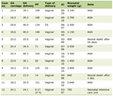
Age at breast cancer diagnosis, ethnicity, family history, and certain pathological features of breast cancer may contribute to the risk of having a cancer-predisposing genetic alteration [14, 15]. A detailed family history should help identify relatives with history of breast and other related cancers like ovarian, pancreatic, and prostate cancers. The “closeness” of the involved family members, number involved, and how young, are important factors that need to be accurately obtained. Current American Society of Clinical Oncology (ASCO) guidelines recommend that all women with breast cancer aged 65 years or younger at time of diagnosis, regardless of their personal or family history of breast or any other cancers, should undergo germline genetic testing [16, 17]. Patients older than 65 should be offered testing if they have triple-negative (TN) disease, a personal or family history that suggests the possibility of a pathogenic variant, and if they are candidates for poly (ADP-ribose) polymerase (PARP) inhibitor therapy for early-stage or metastatic disease [18-20]. In addition, all patients of Ashkenazi Jewish ancestry, and male patients regardless of their family or personal history of cancer are candidates for germline genetic testing, too. Table 1 summarizes the updated indications for germline genetic testing [21].
 Click to view |
Table 1. Recommendations for Germline Genetic
Testinga |
Genetic testing recommendations are currently limited to patients diagnosed with specific cancers known for their association with hereditary predisposing genes, like breast, ovarian, and pancreatic cancers. At-risk family members should also be offered the testing following extensive counseling. The decision to pursue genetic screening often depends on the patient’s awareness and level of information regarding genetic risks. Currently, awareness and understanding of genetic testing vary, as many patients may not be fully informed about their options unless prompted by their healthcare provider. Genetic counseling sessions and consultations with oncologists, geneticists, or primary care physicians are key opportunities for patients to learn about these possibilities. However, direct-to-consumer (DTC) genetic tests are becoming accessible and affordable, often being conducted without the necessary pre- or post-test counseling, as will be further explored below.
| Family Cascade Testing | ▴Top |
Direct invite of family members
Discussing serious health issues within families is often complex, and this complexity increases when the condition is cancer, especially if it is inherited [22]. In non-Western societies, such conversations are further hindered as cancer diagnosis is kept secret and not openly discussed with family members [23].
We conducted a study on 169 patients including 84 (49.7%) with pathogenic/likely pathogenic (P/LP) BRCA2 variants, 42 (24.9%) with BRCA1, and 43 (25.4%) with non-BRCA variants. All patients were female and were young (mean age 45 ± 9.9 years). Results were communicated with family members by the majority (n = 160, 94.7%), including 642 first-degree female relatives. However, almost half of them (n = 286, 44.5%) had taken no action. Cited reasons for not undergoing genetic testing by at-risk family members included fear of receiving positive test results (54%), cost of testing (50%), unwillingness to undergo preventive measures (34%), and social stigma (15%) [24].
A study conducted in the United States surveyed 1,103 women who had BRCA testing regarding how they shared their results with relatives; 97% indicated they had informed at least one family member. Communication rates were lower among older patients, Asian race, and when testing was performed at public hospitals versus specialized cancer centers. More importantly, 75% of BRCA-positive participants reported that at least one family member pursued genetic testing. Testing rates were lower among Asian and those with lower socioeconomic status [25].
In a smaller study, researchers found that at-risk family members responded better when called for testing by the genetic counselor (27 of 32 family members underwent cascade genetic testing) compared to only 14 of 159 (9%), when the notification and request for testing was done by the proband [26].
Several studies, including ours, had shown that patients with BRCA1 or BRCA2 P/LP variants were more likely to inform their family members compared to those with non-BRCA variants [27, 28]. Patients’ and healthcare professionals’ unfamiliarity with non-BRCA pathogenic variants can explain such observation. Table 2 summarizes commonly encountered barriers.
Click to view |
Table 2. Commonly Encountered Barriers for
Germline Genetic Testing |
DTC
DTC germline genetic testing refers to the practice of individuals seeking genetic tests that examine inherited medical problems through companies without having healthcare professionals involved in the process. Such practice is becoming increasingly affordable and popular, especially in Western societies.
In a Canadian study known as “The Screen Project”, a total of 1,269 unaffected individuals were tested for BRCA1 and BRCA2, including 87 (7.0%) males. Participants registered online and were enrolled in the study between 2017 and 2019 and were followed up for 1 year after receiving their genetic test results. Testing was conducted using a saliva sample kit, which was sent directly to the reference laboratory. Pretesting counseling for all individuals and post testing counseling for mutation-negative individuals was optional and at the individual’s discretion. Family history (first- or second-degree) of breast and/or ovarian cancer was positive in 66% of the tested individuals. In total, 30 (2.4%) had pathogenic mutation in BRCA1 (n = 14) or BRCA2 (n = 16). Bilateral mastectomy and/or BSO were performed by 75% of the female carriers within a year of receiving a positive result. Though genetic counseling was available at no cost, it was utilized by only 5% of the non-carriers [29].
Population-based testing
Germline genetic testing for all women, regardless of their personal history of breast cancer, referred to as population-based testing, is complex and involves considerations of cost-effectiveness, clinical utility, and ethical implications. Current clinical guidelines recommend that testing should be offered to a subset of breast cancer patients, as it may inform treatment decisions and risk management for both patients and their close relatives. However, The American Society of Breast Surgeons recommends genetic testing for all patients with breast cancer, regardless of their risk factors [4]. However, extending these recommendations to all women, irrespective of their breast cancer status, is not universally endorsed. Recent studies from the USA [30] and Canada [31] assessing population-wide multigene testing for breast cancer prevention concluded that this strategy could be more cost-effective than testing based on family history, particularly among women aged 30 - 35 years. Despite these findings, there is no consensus that all women should undergo genetic testing. The decision to implement population-based genetic testing must consider factors such as the potential psychological impact of testing, the frequency of pathogenic variants in the general population, and the ability of the healthcare system to offer adequate genetic counseling and follow-up care, including risk-reducing strategies [9, 32]. Additionally, population-based testing would significantly increase the percentage of individuals with variants of uncertain significance (VUS), management of which remains a challenge, as these do not currently alter clinical management and require careful interpretation.
| Screening/Early Detection | ▴Top |
Screening for breast cancer
There is a broad consensus that surveillance and early detection in high-risk women should be based on annual contrast-enhanced breast magnetic resonance imaging (MRI), which is considered the most sensitive test for early detection of breast cancer [33]. Age to start routine annual MRI screening for BRCA1/2-positive women depends on personal and family history of breast or other cancers and age at first breast cancer diagnosis in the family [34]. Starting at age 40, MRI screening can be supplemented by mammography and optionally breast ultrasound, which can be done alternating at 6-month intervals [35]. Though several studies have demonstrated a lower rate of interval breast cancer among screened patients, no direct reduction in cancer mortality was observed utilizing high-risk MRI-based surveillance program [36]. One study that compared MRI screening versus control to screen high-risk women showed that MRI-screened women had more frequent node negative (69% vs. 44%, P = 0.001) and smaller tumors (87% vs. 52%, P < 0.001), and received less hormonal therapy (14% vs. 47%, P < 0.001) or chemotherapy (39% vs. 77%, P < 0.001) than controls. However, after a median follow-up of 9 years, overall survival was not significantly better in MRI-screened women (P = 0.064, hazard ratio (HR) 0.51, 95% confidence interval (CI), 0.24 - 1.06). Controls were not screened if they were younger than 50 years and screened with biennial mammography if they were ≥ 50 years. Women were matched according to their risk category; BRCA1, BRCA2, familial risk, and year and age of diagnosis [36].
A more recent study involved 2,488 young women (mean age at study entry 41.2 years) with a BRCA1 (n = 2,004) or BRCA2 (n = 484) variant. At least one screening MRI examination was performed on 1,756 (70.6%), while 732 (29.4%) women did not. With a mean follow-up of 9.2 years, 344 (13.8%) women developed breast cancer, and 35 women (1.4%) died of the disease. Among the group who entered the MRI-screening program, the age-adjusted HR for breast cancer mortality was 0.20 (95% CI: 0.10 - 0.43; P < 0.001) for women with BRCA1 and 0.87 (95% CI: 0.10 - 17.25; P = 0.93) for women with BRCA2 variants [37].
Screening for ovarian cancer
It is now well established that routine screening for ovarian cancer in average-risk women utilizing transvaginal ultrasound, cancer antigen 125 (CA-125) testing, or their combination has no significant effect on ovarian cancer mortality [38], and thus is not recommended by the US Preventive Services Task Force (USPSTF) [39], which based their conclusion on the four largest studies including the Prostate, Lung, Colorectal and Ovarian screening trial (PLCO) [40, 41] and the UK Collaborative Trial of Ovarian Cancer Screening (UKCTOCS) [42].
Screening for ovarian cancer by transvaginal ultrasound and CA-125 is not reliable. In one study from Poland, 1,814 women with BRCA1 pathogenic variants, with no prior ovarian cancers, and intact ovaries underwent at least one screening transvaginal ultrasound. Participants were followed from the date of first ultrasound until the date of preventive oophorectomy, death, or last follow-up. Among the group, 659 women had preventive oophorectomy with nine cases of incidental cancers identified at the time of surgery and three more during the follow-up, with two deaths from ovarian/fallopian cancers reported. On the other hand, 73 incident cancers were detected, and 27 deaths reported from ovarian/fallopian cancers among the remaining patients who chose to be on surveillance ultrasound. The HR for oophorectomy versus screening ultrasound was 0.23 (95% CI: 0.05 - 0.97; P = 0.05). The authors concluded that women diagnosed with ovarian cancer while participating in an ultrasound screening program have relatively poor survival, indicating that screening is not an effective substitute for preventive oophorectomy [43].
Another multi-institutional UK study (ALDO study) looked at “real-world” experience and cost-effectiveness of ovarian cancer surveillance in 875 women with pathogenic germline BRCA1/2 variants who opted to defer risk-reducing salpingo-oophorectomy (RRSO), and 767 (87.7%) women underwent at least one 4-monthly surveillance test. During 1,277 women-screen years, eight ovarian cancers were identified; two were occult at time of RRSO (both stage 1a), and six were screen-detected; three (50%) of them were early stage (≤ stage IIIa), and five (83%) had complete surgical cytoreduction. Authors concluded that surveillance for women who opt to defer RRSO in a “real-world” setting is feasible with a sensitivity of 87.5%, specificity of 99.9%, a positive predictive value of 75.0%, and a negative predictive value of 99.9% for detecting ovarian cancer [44]. Other researchers cautioned that the ALDO study results may be misinterpreted and could lead to false reassurance, emphasizing that screening high-risk women for ovarian cancer should not be viewed as a safe substitute for RRSO [45].
| RRS | ▴Top |
Uptake and adherence to RRS recommendations is relatively low [46, 47]. Similar to genetic testing, it is critical to address barriers, particularly in resource-restricted societies where patients’ education, societal interaction, availability of high-end reconstructive surgical options and cost can be major contributing factors [48-50].
BSO
While current guidelines suggest that BRCA2 carriers may delay oophorectomy until age 45, most recommend earlier oophorectomy for BRCA1 carriers [51]. Fallopian tubes are at risk of cancer and should be removed at time of oophorectomy, too [52]. In addition to decreasing the incidence of ovarian cancer, many studies have documented an added beneficial effect of risk-reducing BSO. One study showed a lower incidence of breast cancer, lower breast cancer-specific mortality, and lower ovarian cancer-specific mortality [53]. In a prospective, multicenter cohort study involving 2,482 women with BRCA1 or BRCA2 mutations, researchers assessed the impact of risk-reducing mastectomy or BSO on cancer outcomes. Among women without a prior history of breast cancer, those who underwent risk-reducing BSO had a lower risk of first breast cancer diagnosis compared with those who did not: 7% versus 23% in BRCA2 carriers (HR: 0.36 (95% CI: 0.16 - 0.82)) and 14% versus 20% in BRCA1 carriers (HR: 0.63 (95% CI: 0.41 - 0.96)). BSO was also associated with reduced breast cancer-specific mortality (2% vs. 6%; HR: 0.44 (95% CI: 0.26 - 0.76)), lower ovarian cancer-specific mortality (0.4% vs. 3%; HR: 0.21 (95% CI: 0.06 - 0.80)), and decreased all-cause mortality (3% vs. 10%; HR: 0.40 (95% CI: 0.26 - 0.61)) (Table 3) [54].
Click to view |
Table 3. Hidden Benefits of BSO |
Another international, longitudinal cohort study enrolled 4,332 women with P/LP BRCA1 or BRCA2 variants but who had never had any cancer diagnosis. Women (mean age, 42.6 years) were followed up from age 35 to 75 years for incident cancers and deaths. Following a questionnaire follow-up, 2,932 (67.8%) underwent preventive oophorectomy at a mean (range) age of 45.4 (23.0 - 77.0) years. After a mean follow-up of 9.0 years, the age-adjusted HR for all-cause mortality associated with oophorectomy was 0.32 (95% CI: 0.24 - 0.42; P < 0.001). The age-adjusted HR was 0.28 (95% CI: 0.20 - 0.38; P < 0.001) for women with BRCA1 and 0.43 (95% CI: 0.22 - 0.90; P = 0.03) for those with BRCA2 variant. The estimated cumulative all-cause mortality to age 75 years for women with BRCA1 variant who had an oophorectomy at age 35 years was 25%, compared to 62% for women who did not. On the other hand, the estimated cumulative all-cause mortality to age 75 years for women with BRCA2 variant was 14% for those following oophorectomy compared to 28% for women who did not have an oophorectomy [55].
A recent meta-analysis of 21 studies that addressed prophylactic interventions (chemoprevention and RRS) for healthy women with BRCA1 or BRCA2 variants, focused on both cancer risk reduction and mortality outcomes. The meta-analysis revealed that RRS (BSO and RRM) significantly reduced cancer risk and mortality. Prophylactic oophorectomy significantly reduced hereditary breast and ovarian cancer (HBOC) risks, while the effect of prophylactic mastectomy on mortality was less conclusive [56].
Risk-reducing mastectomy
Patients with BRCA1 or BRCA2-mutated carriers are advised to consider prophylactic bilateral mastectomy (PBM) which has been shown to reduce the incidence of breast cancer by approximately 90% [57-59]. Although many earlier studies did not demonstrate an overall survival benefit [60], a recently presented study at the San Antonio Breast Cancer Symposium reported a survival advantage associated with RRM in younger women (≤ 40 years) with breast cancer who carry a BRCA1/2 P/LP variant. In this cohort, RRM was associated with a 35% reduction in the risk of death and a 42% reduction in the risk of breast cancer recurrence or development of a second primary malignancy. These improved outcomes were observed in carriers of both BRCA1 and BRCA2 variants [61]. In another study that looked at the uptake rate of mastectomies, and other RRSs, in a group of 1,020 individuals, 16% of them carried one or more high-penetrance hereditary cancer susceptibility genes including BRCA1 and BRCA2. Among individuals with P/LP variants with a recommendation for RRS as per National Comprehensive Cancer Network guidelines, 34% (33/97) had mastectomy while 24% (23/94) had BSO during follow-up. Authors concluded that factors in addition to genetic test results and international recommendations may play an important role and motivate prophylactic surgery use [62].
A recently published study employing a pseudo-randomized trial design matched each woman who underwent RRM with a counterpart who did not, based on gene variant, birth year, and country. The cohort comprised 1,654 women, 827 in the RRM group and 827 in the control group. After a mean follow-up of 6.3 years, the RRM group experienced 20 breast cancers (predominantly occult) and two breast cancer-related deaths, compared to 100 incident breast cancers and seven breast cancer deaths in the control group (HR: 0.26; 95% CI: 0.05 - 1.35; P = 0.11) [63].
| Chemoprevention | ▴Top |
SERMs
Chemoprevention with SERMs, mostly tamoxifen, is an option offered to high-risk women to reduce the risk of breast cancer who wish not to have surgery. The evidence for tamoxifen benefit is based on clinical trials conducted among women from the general population, judged to be at higher risk for breast cancer based mostly on their age, family history, or prior breast pathology, and based mostly on assessment utilizing the Gail risk assessment model [64]. Tamoxifen, and other SERMs, have not been assessed for primary prevention in unaffected women with inherited BRCA1 or BRCA2 pathogenic variants.
Secondary prevention
In one study, 1,583 BRCA1 and 881 BRCA2 mutation carriers with unilateral breast cancer were enrolled in a tamoxifen prevention trial. Cox regression models, adjusted for multiple factors including geographic location, age at diagnosis, and prior bilateral oophorectomy, were used to estimate HRs for contralateral breast cancer (CBC) associated with tamoxifen use. Of the participants, 383 BRCA1 carriers (24%) and 454 BRCA2 carriers (52%) received tamoxifen following their initial diagnosis. Over 20,104 person-years of follow-up, 520 CBC events were recorded. The adjusted HRs were 0.38 (95% CI: 0.27 - 0.55) for BRCA1 carriers and 0.33 (95% CI: 0.22 - 0.50) for BRCA2 carriers. In a prospectively followed subgroup (4,392 person-years; 657 BRCA1 and 426 BRCA2 carriers), 100 CBC cases occurred, with adjusted HRs of 0.58 (95% CI: 0.29 - 1.13) and 0.48 (95% CI: 0.22 - 1.05) for BRCA1 and BRCA2 carriers, respectively [65].
Primary prevention
In one prospective study, 4,578 unaffected women with BRCA1 or BRCA2 variants were reached out by a questionnaire, 137 (3%) of whom reported tamoxifen use, 83 (2%) reported raloxifene use, and 12 used both drugs (0.3%). Tamoxifen or raloxifene was relatively short, with only 90 participants (44.6%) using it beyond 4 years and 61 (30.2%) using it for less than 2 years. Among the user group, a total of 202 participants were matched with 496 women, from the same cohort, who used neither drug. Information on cancer diagnosis during the follow-up period was collected by self-report and was confirmed by medical record review. After a mean follow-up of 6.8 years, breast cancer was diagnosed among 22 (10.9%) tamoxifen/raloxifene users and 71 (14.3%) among non-users (HR: 0.64; 95% CI: 0.40 - 1.03; P = 0.07) [6].
AIs
In postmenopausal setting, estrogens are made available through the peripheral conversion of androgens utilizing the aromatase enzyme. AIs are used to minimize estrogen level in postmenopausal women. When used in the treatment of early-stage breast cancer, in the adjuvant settings, AIs resulted in 50% relative reduction in the risk of developing CBC [66]. Exemestane was used as a chemopreventive agent in the MAP.3 trial; postmenopausal (n = 4,560) women at higher risk for breast cancer based on age, Gail score, history of atypical ductal or lobular hyperplasia, LCIS or DCIS. At a median follow-up of almost 3 years, exemestane use was associated with significant reduction in invasive breast cancers in all study subgroups (HR: 0.35, 95% CI: 0.18 - 0.70) [67, 68].
Utilizing anastrozole, another AI, in 4,560 postmenopausal women at higher risk for breast cancer, the International Breast Cancer Intervention Study II (IBIS-II) reached similar conclusion [69]. Both studies were incorporated into the USPSTF’s updated meta-analysis on invasive breast cancer risk reduction, yielding a pooled risk ratio of 0.45 (95% CI: 0.26 - 0.70) [70]. Notably, both trials demonstrated a reduction in the risk of estrogen receptor (ER)-positive invasive breast cancer, but no significant effect on ER-negative disease.
In another study from MD Anderson Cancer Center (MDACC) and Baylor College, patients diagnosed with non-metastatic ER-positive breast cancer between 2004 and 2014 with known BRCA mutation status were reviewed and followed for a median time of 11.5 years from diagnosis to CBC or death. Among the 935 subjects included in the analysis, 53 had BRCA1 while another 94 had BRCA2. Forty-three percent (n = 405) of patients received AI (or AI and tamoxifen) and 72% (n = 676) received tamoxifen. A total of 66 CBCs occurred; 10% (15/147) occurred in BRCA mutation carriers vs. 6.5% (51/788) in BRCA wild type. In multivariate analyses, BRCA status and AI use were significantly associated with CBC risk. AI use resulted in a significant reduction in the risk of CBC (HR: 0.44, P = 0.004), regardless of the BRCA mutation status while tamoxifen use was not associated with any beneficial effect [71].
The French LIBER Trial is studying the effect of letrozole, given at a dose of 2.5 mg daily for 5 years, in the primary prevention of breast cancer among 171 unaffected postmenopausal women aged 40 - 70 years with BRCA1 or BRCA2 mutation [72, 73].
Denosumab
Recent studies indicate that women carrying pathogenic BRCA variants tend to have elevated estrogen levels, and their mammary stem cells are deficient in sex hormone-binding globulin (SHBG). These stem cells appear to be driven through the RANK/RANKL pathway, a mechanism similar to that observed in osteoclast activation [74-77]. The BRCA-P trial is an ongoing randomized study evaluating whether denosumab can reduce the risk of breast cancer in healthy BRCA1 germline mutation carriers. In this trial, women aged 25 - 55 years with BRCA1 variants, no history of breast or ovarian cancer, and no plans for prophylactic breast surgery are randomized to receive either denosumab 120 mg subcutaneously or placebo every 6 months for 5 years. The hope is that denosumab will disrupt RANKL/RANK-mediated stem cell stimulation and thereby lower breast cancer risk [77].
| Psychological Interventions | ▴Top |
Psychological interventions can significantly improve adherence to preventive strategies and alleviate anxiety in BRCA-positive patients, who face heightened risks of several cancers including breast and ovarian cancers. Studies have shown that mindfulness-based interventions and psychological support, including cognitive-behavioral therapy, can reduce distress by helping patients process and understand their genetic information and associated risks [78]. Coping mechanisms can be significantly enhanced with these interventions, thereby enhancing emotional well-being and mitigating the psychological burden of decision-making regarding prophylactic surgeries or surveillance [79]. Additionally, social support and tailored counseling can augment motivation and thus improve adherence to preventive strategies such as surveillance imaging, RRSs, or chemoprevention [80]. This holistic approach may better optimize long-term health outcomes in BRCA-positive unaffected carriers and even patients with cancer.
| Cultural Issues | ▴Top |
The implementation of risk-reduction strategies in patients with BRCA1 or BRCA2 mutations may be significantly influenced by cultural factors. Cultural beliefs about health, family, and body image can shape how patients perceive their risks and the acceptability of surgical interventions while healthy and before they develop cancer. In some cultures, there may be strong emphasis on fertility and motherhood, leading to reluctance in opting for procedures like prophylactic oophorectomy or mastectomy [81]. Additionally, cultural differences in understanding preventive measures to manage cancer risks may lead to disparities in access to genetic testing and surgery [82]. Studies have shown that fear of disfigurement, cultural stigma around cancer, and religious or familial pressures may prevent women from pursuing risk-reduction surgeries [83]. These cultural barriers underscore the need for healthcare providers to adopt culturally sensitive approaches when counseling patients about BRCA-related risk-reducing options, ensuring that societal influences and personal values are considered in the decision-making process [84].
| VUS | ▴Top |
VUS are genetic changes identified through genetic testing that cannot currently be classified as benign or pathogenic. A VUS may be found in a gene known to be associated with a disease, but there is insufficient evidence to confirm whether the specific variant causes or contributes to the disease. The classification of VUS is a crucial part of genetic testing and interpretation. The criteria for VUS classification are usually based on guidelines set by professional bodies and usually depend on the frequency of the detected variant in the general population in public database like the ClinVar, variant’s location within the gene, functional studies, family segregation studies, and scientific literature reports. As new data, research, and technological advancements become available, VUS classifications may change. Re-evaluating VUS helps improve the accuracy of clinical decision making, counseling, and further genetic testing [85]. The management of VUS in clinical practice can be challenging due to the uncertainty about their clinical impact. However, several specific strategies can help guide clinical decisions and ensure the best possible care for patients. These strategies involve careful interpretation, follow-up, patient and family education, psychosocial support, and coordination with various healthcare professionals. It is important to keep patients informed about the reclassification status of their variants and they should be empowered to make decisions about their healthcare based on the most current information. Clinicians should document the VUS and any follow-up actions clearly, including any changes in the interpretation over time. Reporting to international registries or databases, like the ClinVar, should help collect broader population-based data on the variant [86].
| Conclusions and Future Directions | ▴Top |
Germline genetic testing is increasingly utilized for patients with breast and many other cancers. The indications for testing were recently widened to cover most newly diagnosed patients with breast cancer and it is anticipated that universal testing of all newly diagnosed patients will soon be the standard. As we expand in cascade family screening, more “cancer-free” individuals will be identified as “carriers”. Given the high penetrance rate of both BRCA1 and BRCA2 variants, risk-reduction strategies for this group of unaffected participants are highly needed. Though alternatives to risk-reducing mastectomy have “reasonable” safety, RRSO might be a must after proper counseling, timing, and careful evaluation of participants’ needs. It is hoped that ongoing and future research on chemoprevention will help ease at least some of the growing concerns of patients and their at-risk family members. New molecular technologies, like liquid biopsies, may be useful in future research to help detect breast, ovarian, and other cancers at a much earlier stage among carriers of cancer-predisposing genes. More prospective, world-wide inclusive studies, addressing the same issue in resource-restricted settings are highly needed. Lastly, there is a need for standardized practices of genetic testing to ensure personalized and effective counseling and RRSs [87].
Acknowledgments
The authors would like to thank Ms. Lulwa Al-Saket and Mrs. Alice Haddadin for their valuable support in preparing this manuscript.
Financial Disclosure
This research received no external funding.
Conflict of Interest
The authors report that this study was conducted without any commercial or financial relationships that could be perceived as a potential conflict of interest.
Informed Consent
Not applicable. This study is a literature review and does not involve the enrollment of human participants.
Author Contributions
Both authors contributed to conceptualization, methodology, visualization, drafting, writing, and revising the submitted manuscript. Both authors read and approved the final version of the manuscript and agreed to be accountable for all aspects of work ensuring integrity and accuracy.
Data Availability
The authors declare that data supporting the findings of this study are available within the article.
| References | ▴Top |
- World Health Organization. Breast cancer [Internet]. Available from: https://www.who.int/news-room/fact-sheets/detail/breast-cancer (accessed January 26, 2024).
- Cancer Today. Available from: https://gco.iarc.fr/today/en/fact-sheets-cancers (accessed May 18, 2024).
- Giaquinto AN, Sung H, Newman LA, Freedman RA, Smith RA, Star J, Jemal
A, et al. Breast cancer statistics 2024. CA Cancer J Clin.
2024;74(6):477-495.
doi pubmed - Mahoney MC. Breast cancer risk reduction and counseling: lifestyle,
chemoprevention, and surgery. J Natl Compr Canc Netw. 2007;5(8):702-710.
doi pubmed - Alwashmi ASS, Khan NU, Chen T. Risk-benefits assessment of tamoxifen
or raloxifene as chemoprevention for risk reduction of breast cancer among BRCA1 and BRCA2
carriers: a meta-analysis. Sci Rep. 2025;15(1):6796.
doi pubmed - Kotsopoulos J, Gronwald J, Huzarski T, Aeilts A, Randall Armel S,
Karlan B, Singer CF, et al. Tamoxifen and the risk of breast cancer in women with a BRCA1 or
BRCA2 mutation. Breast Cancer Res Treat. 2023;201(2):257-264.
doi pubmed - Rich TA, Woodson AH, Litton J, Arun B. Hereditary breast cancer
syndromes and genetic testing. J Surg Oncol. 2015;111(1):66-80.
doi pubmed - Mavaddat N, Peock S, Frost D, Ellis S, Platte R, Fineberg E, Evans
DG, et al. Cancer risks for BRCA1 and BRCA2 mutation carriers: results from prospective analysis
of EMBRACE. J Natl Cancer Inst. 2013;105(11):812-822.
doi pubmed - Rebbeck TR, Mitra N, Wan F, Sinilnikova OM, Healey S, McGuffog L,
Mazoyer S, et al. Association of type and location of BRCA1 and BRCA2 mutations with risk of
breast and ovarian cancer. JAMA. 2015;313(13):1347-1361.
doi pubmed - Manahan ER, Kuerer HM, Sebastian M, Hughes KS, Boughey JC, Euhus DM,
Boolbol SK, et al. Consensus guidelines on genetic; Testing for hereditary breast cancer from
the American Society of Breast Surgeons. Ann Surg Oncol. 2019;26(10):3025-3031.
doi pubmed - De Silva DL, Stafford L, Skandarajah AR, Sinclair M, Devereux L, Hogg
K, Kentwell M, et al. Universal genetic testing for women with newly diagnosed breast cancer in
the context of multidisciplinary team care. Med J Aust.
2023;218(8):368-373.
doi pubmed - Culver JO, Freiberg Y, Ricker C, Comeaux JG, Chang EY, Banerjee V,
Sturgeon D, et al. Integration of universal germline genetic testing for all new breast cancer
patients. Ann Surg Oncol. 2023;30(2):1017-1025.
doi pubmed - Kuchenbaecker KB, Hopper JL, Barnes DR, Phillips KA, Mooij TM,
Roos-Blom MJ, Jervis S, et al. Risks of breast, ovarian, and contralateral breast cancer for
BRCA1 and BRCA2 mutation carriers. JAMA. 2017;317(23):2402-2416.
doi pubmed - Figueiredo JC, Ennis M, Knight JA, McLaughlin JR, Hood N, O'Malley F,
Andrulis IL, et al. Influence of young age at diagnosis and family history of breast or ovarian
cancer on breast cancer outcomes in a population-based cohort study. Breast Cancer Res Treat.
2007;105(1):69-80.
doi pubmed - Taparra K, Fukui J, Killeen J, Sumida K, Loo LWM, Hernandez BY.
Racial and ethnic disparities in rates of invasive second breast cancer among women with ductal
carcinoma in Situ in Hawai'i. JAMA Netw Open. 2021;4(10):e2128977.
doi pubmed - Bedrosian I, Somerfield MR, Achatz MI, Boughey JC, Curigliano G,
Friedman S, Kohlmann WK, et al. Germline testing in patients with breast cancer: ASCO-Society of
surgical oncology guideline. J Clin Oncol. 2024;42(5):584-604.
doi pubmed - Kurian AW, Bedrosian I, Kohlmann WK, Somerfield MR, Robson ME.
Germline testing in patients with breast cancer: ASCO-society of surgical oncology guideline Q
and A. JCO Oncol Pract. 2024;20(4):466-471.
doi pubmed - Lynce F, Robson M. Clinical use of PARP inhibitors in BRCA mutant and
non-BRCA mutant breast cancer. Cancer Treat Res. 2023;186:91-102.
doi pubmed - Senkus E, Delaloge S, Domchek SM, Conte P, Im SA, Xu B, Armstrong A,
et al. Olaparib efficacy in patients with germline BRCA-mutated, HER2-negative metastatic breast
cancer: Subgroup analyses from the phase III OlympiAD trial. Int J Cancer.
2023;153(4):803-814.
doi pubmed - Yamauchi H, Toi M, Takayama S, Nakamura S, Takano T, Cui K, Campbell
C, et al. Adjuvant olaparib in the subset of patients from Japan with BRCA1- or BRCA2-mutated
high-risk early breast cancer from the phase 3 OlympiA trial. Breast Cancer.
2023;30(4):596-605.
doi pubmed - National Comprehensive Cancer Network. Genetic/familial high-risk assessment: breast, ovarian, and pancreatic. Version 2.2024 [Internet]. Available from: https://www.nccn.org/professionals/physician_gls/pdf/genetics_bop.pdf (accessed January 29, 2024).
- Dusic EJ, Theoryn T, Wang C, Swisher EM, Bowen DJ, EDGE Study Team.
Barriers, interventions, and recommendations: Improving the genetic testing landscape. Front
Digit Health. 2022;4:961128.
doi pubmed - Abdel-Razeq H, Mansour A. Challenges and opportunities in breast
cancer care in low-resourced countries, Jordan as An Example. Cancers (Basel).
2024;16(9):1751.
doi pubmed - Abdel-Razeq H, Mustafa R, Abdel-Razeq S, Abu-Fares H, Al Masri S,
Damsees R, El-Atrash M, et al. Pathogenic germline variants in patients with breast cancer:
conversations across generations, practices and patients' attitude. Front Genet.
2023;14:1194075.
doi pubmed - Cheung EL, Olson AD, Yu TM, Han PZ, Beattie MS. Communication of BRCA
results and family testing in 1,103 high-risk women. Cancer Epidemiol Biomarkers Prev.
2010;19(9):2211-2219.
doi pubmed - Trottier M, Lunn J, Butler R, Curling D, Turnquest T, Royer R, Akbari
MR, et al. Strategies for recruitment of relatives of BRCA mutation carriers to a genetic
testing program in the Bahamas. Clin Genet. 2015;88(2):182-186.
doi pubmed - Hughes C, Lerman C, Schwartz M, Peshkin BN, Wenzel L, Narod S, Corio
C, et al. All in the family: evaluation of the process and content of sisters' communication
about BRCA1 and BRCA2 genetic test results. Am J Med Genet.
2002;107(2):143-150.
doi pubmed - Wagner Costalas J, Itzen M, Malick J, Babb JS, Bove B, Godwin AK,
Daly MB. Communication of BRCA1 and BRCA2 results to at-risk relatives: a cancer risk assessment
program's experience. Am J Med Genet C Semin Med Genet.
2003;119C(1):11-18.
doi pubmed - Narod SA, Gojska N, Sun P, Tryon A, Kotsopoulos J, Metcalfe K, Akbari
MR. The screen project: guided direct-to-consumer genetic testing for breast cancer
susceptibility in Canada. Cancers (Basel). 2021;13(8).
doi pubmed - Guo F, Adekanmbi V, Hsu CD, Berenson AB, Kuo YF, Shih YT.
Cost-effectiveness of population-based multigene testing for breast and ovarian cancer
prevention. JAMA Netw Open. 2024;7(2):e2356078.
doi pubmed - Sun L, Wei X, Fierheller CT, Dawson L, Oxley S, Kalra A, Sia J, et
al. Economic evaluation of population-based BRCA1 and BRCA2 testing in Canada. JAMA Netw Open.
2024;7(9):e2432725.
doi pubmed - Whitworth PW, Beitsch PD, Patel R, Rosen B, Compagnoni G, Baron PL,
Simmons R, et al. Clinical utility of universal germline genetic testing for patients with
breast cancer. JAMA Netw Open. 2022;5(9):e2232787.
doi pubmed - Warner E, Messersmith H, Causer P, Eisen A, Shumak R, Plewes D.
Systematic review: using magnetic resonance imaging to screen women at high risk for breast
cancer. Ann Intern Med. 2008;148(9):671-679.
doi pubmed - Bick U, Engel C, Krug B, Heindel W, Fallenberg EM, Rhiem K, Maintz D,
et al. High-risk breast cancer surveillance with MRI: 10-year experience from the German
consortium for hereditary breast and ovarian cancer. Breast Cancer Res Treat.
2019;175(1):217-228.
doi pubmed - Saadatmand S, Geuzinge HA, Rutgers EJT, Mann RM, de Roy van Zuidewijn
DBW, Zonderland HM, Tollenaar R, et al. MRI versus mammography for breast cancer screening in
women with familial risk (FaMRIsc): a multicentre, randomised, controlled trial. Lancet Oncol.
2019;20(8):1136-1147.
doi pubmed - Saadatmand S, Obdeijn IM, Rutgers EJ, Oosterwijk JC, Tollenaar RA,
Woldringh GH, Bergers E, et al. Survival benefit in women with BRCA1 mutation or familial risk
in the MRI screening study (MRISC). Int J Cancer. 2015;137(7):1729-1738.
doi pubmed - Lubinski J, Kotsopoulos J, Moller P, Pal T, Eisen A, Peck L, Karlan
BY, et al. MRI surveillance and breast cancer mortality in women with BRCA1 and BRCA2 sequence
variations. JAMA Oncol. 2024;10(4):493-499.
doi pubmed - Robertson SE, Peipert JF. Ultrasound screening for ovarian cancer:
Are we there yet? Obstet Gynecol. 2018;132(5):1089-1090.
doi pubmed - Henderson JT, Webber EM, Sawaya GF. Screening for ovarian cancer:
updated evidence report and systematic review for the US preventive services task force. JAMA.
2018;319(6):595-606.
doi pubmed - Buys SS, Partridge E, Black A, Johnson CC, Lamerato L, Isaacs C,
Reding DJ, et al. Effect of screening on ovarian cancer mortality: the Prostate, Lung,
Colorectal and Ovarian (PLCO) Cancer Screening Randomized Controlled Trial. JAMA.
2011;305(22):2295-2303.
doi pubmed - Berg CD. The Prostate, Lung, Colorectal and Ovarian Cancer Screening
Trial: the prostate cancer screening results in context. Acta Oncol. 2011;50(Suppl
1):12-17.
doi pubmed - Jacobs IJ, Menon U, Ryan A, Gentry-Maharaj A, Burnell M, Kalsi JK,
Amso NN, et al. Ovarian cancer screening and mortality in the UK Collaborative Trial of Ovarian
Cancer Screening (UKCTOCS): a randomised controlled trial. Lancet.
2016;387(10022):945-956.
doi pubmed - Gronwald J, Lubinski J, Huzarski T, Cybulski C, Menkiszak J, Siolek
M, Stawicka M, et al. A comparison of ovarian cancer mortality in women with BRCA1 mutations
undergoing annual ultrasound screening or preventive oophorectomy. Gynecol Oncol.
2019;155(2):270-274.
doi pubmed - Philpott S, Raikou M, Manchanda R, Lockley M, Singh N, Scott M, Evans
DG, et al. The avoiding late diagnosis of ovarian cancer (ALDO) project; a pilot national
surveillance programme for women with pathogenic germline variants in BRCA1 and BRCA2.
J Med Genet. 2023;60(5):440-449.
doi pubmed - Manning-Geist BL, Flint M, Roche KL. Prevention over screening for
ovarian cancer in patients with high-risk germline mutations: Misinterpreting the findings of
ALDO. Gynecol Oncol Rep. 2023;46:101157.
doi pubmed - Mittendorf KF, Knerr S, Kauffman TL, Lindberg NM, Anderson KP,
Feigelson HS, Gilmore MJ, et al. Systemic barriers to risk-reducing interventions for hereditary
cancer syndromes: implications for health care inequities. JCO Precis Oncol. 2021;5.
doi pubmed - Kassem N, Stout LA, Hunter C, Schneider B, Radovich M. Precision
Prevention: The Current State and Future of Genomically Guided Cancer Prevention. JCO Precis
Oncol. 2020;4:96-108.
doi pubmed - Padamsee TJ, Wills CE, Yee LD, Paskett ED. Decision making for breast
cancer prevention among women at elevated risk. Breast Cancer Res. 2017;19(1):34.
doi pubmed - Pujol P, Lyonnet DS, Frebourg T, Blin J, Picot MC, Lasset C, Dugast
C, et al. Lack of referral for genetic counseling and testing in BRCA1/2 and Lynch syndromes: a
nationwide study based on 240,134 consultations and 134,652 genetic tests. Breast Cancer Res
Treat. 2013;141(1):135-144.
doi pubmed - Altman AM, Hui JYC, Tuttle TM. Quality-of-life implications of
risk-reducing cancer surgery. Br J Surg. 2018;105(2):e121-e130.
doi pubmed - Marmolejo DH, Wong MYZ, Bajalica-Lagercrantz S, Tischkowitz M,
Balmana J, extended ERNGTG. Overview of hereditary breast and ovarian cancer (HBOC) guidelines
across Europe. Eur J Med Genet. 2021;64(12):104350.
doi pubmed - Soong TR, Howitt BE, Horowitz N, Nucci MR, Crum CP. The fallopian
tube, "precursor escape" and narrowing the knowledge gap to the origins of high-grade serous
carcinoma. Gynecol Oncol. 2019;152(2):426-433.
doi pubmed - Finch AP, Lubinski J, Moller P, Singer CF, Karlan B, Senter L, Rosen
B, et al. Impact of oophorectomy on cancer incidence and mortality in women with a BRCA1 or
BRCA2 mutation. J Clin Oncol. 2014;32(15):1547-1553.
doi pubmed - Domchek SM, Friebel TM, Singer CF, Evans DG, Lynch HT, Isaacs C,
Garber JE, et al. Association of risk-reducing surgery in BRCA1 or BRCA2 mutation carriers with
cancer risk and mortality. JAMA. 2010;304(9):967-975.
doi pubmed - Kotsopoulos J, Gronwald J, Huzarski T, Moller P, Pal T, McCuaig JM,
Singer CF, et al. Bilateral oophorectomy and all-cause mortality in women with BRCA1 and BRCA2
sequence variations. JAMA Oncol. 2024;10(4):484-492.
doi pubmed - Liu T, Yu J, Gao Y, Ma X, Jiang S, Gu Y, Ming WK. Prophylactic
interventions for hereditary breast and ovarian cancer risks and mortality in BRCA1/2 carriers.
Cancers (Basel). 2023;16(1):103.
doi pubmed - Rebbeck TR, Friebel T, Lynch HT, Neuhausen SL, van 't Veer L, Garber
JE, Evans GR, et al. Bilateral prophylactic mastectomy reduces breast cancer risk in BRCA1 and
BRCA2 mutation carriers: the PROSE Study Group. J Clin Oncol.
2004;22(6):1055-1062.
doi pubmed - Meijers-Heijboer H, van Geel B, van Putten WL, Henzen-Logmans SC,
Seynaeve C, Menke-Pluymers MB, Bartels CC, et al. Breast cancer after prophylactic bilateral
mastectomy in women with a BRCA1 or BRCA2 mutation. N Engl J Med.
2001;345(3):159-164.
doi pubmed - Hartmann LC, Sellers TA, Schaid DJ, Frank TS, Soderberg CL, Sitta DL,
Frost MH, et al. Efficacy of bilateral prophylactic mastectomy in BRCA1 and BRCA2 gene mutation
carriers. J Natl Cancer Inst. 2001;93(21):1633-1637.
doi pubmed - Li X, You R, Wang X, Liu C, Xu Z, Zhou J, Yu B, et al. Effectiveness
of prophylactic surgeries in BRCA1 or BRCA2 mutation carriers: a meta-analysis and systematic
review. Clin Cancer Res. 2016;22(15):3971-3981.
doi pubmed - GS1-08 (San Antonio Breast Cancer Symposium 10-13 December 2024): Association between risk-reducing surgeries and survival in young BRCA carriers with breast cancer: results from an international cohort study [Internet]. Available from: https://www.aacr.org/about-the-aacr/newsroom/news-releases/brca-mutation-carriers-with-a-history-of-early-onset-breast-cancer-may-benefit-from-risk-reducing-surgery/ (accessed January 18, 2025).
- Knerr S, Guo B, Mittendorf KF, Feigelson HS, Gilmore MJ, Jarvik GP,
Kauffman TL, et al. Risk-reducing surgery in unaffected individuals receiving cancer genetic
testing in an integrated health care system. Cancer. 2022;128(16):3090-3098.
doi pubmed - Metcalfe K, Huzarski T, Gronwald J, Kotsopoulos J, Kim R, Moller P,
Pal T, et al. Risk-reducing mastectomy and breast cancer mortality in women with a BRCA1 or
BRCA2 pathogenic variant: an international analysis. Br J Cancer.
2024;130(2):269-274.
doi pubmed - Howell A, Anderson AS, Clarke RB, Duffy SW, Evans DG, Garcia-Closas
M, Gescher AJ, et al. Risk determination and prevention of breast cancer. Breast Cancer Res.
2014;16(5):446.
doi pubmed - Phillips KA, Milne RL, Rookus MA, Daly MB, Antoniou AC, Peock S,
Frost D, et al. Tamoxifen and risk of contralateral breast cancer for BRCA1 and BRCA2 mutation
carriers. J Clin Oncol. 2013;31(25):3091-3099.
doi pubmed - Baum M, Buzdar A, Cuzick J, Forbes J, Houghton J, Howell A, Sahmoud
T, et al. Anastrozole alone or in combination with tamoxifen versus tamoxifen alone for adjuvant
treatment of postmenopausal women with early-stage breast cancer: results of the ATAC (Arimidex,
Tamoxifen Alone or in Combination) trial efficacy and safety update analyses. Cancer.
2003;98(9):1802-1810.
doi pubmed - Goss PE, Ingle JN, Ales-Martinez JE, Cheung AM, Chlebowski RT,
Wactawski-Wende J, McTiernan A, et al. Exemestane for breast-cancer prevention in postmenopausal
women. N Engl J Med. 2011;364(25):2381-2391.
doi pubmed - Zhang Y, Simondsen K, Kolesar JM. Exemestane for primary prevention
of breast cancer in postmenopausal women. Am J Health Syst Pharm.
2012;69(16):1384-1388.
doi pubmed - Cuzick J, Sestak I, Forbes JF, Dowsett M, Knox J, Cawthorn S,
Saunders C, et al. Anastrozole for prevention of breast cancer in high-risk postmenopausal women
(IBIS-II): an international, double-blind, randomised placebo-controlled trial. Lancet.
2014;383(9922):1041-1048.
doi pubmed - Nelson HD, Fu R, Zakher B, Pappas M, McDonagh M. Medication Use for
the Risk Reduction of Primary Breast Cancer in Women: Updated Evidence Report and Systematic
Review for the US Preventive Services Task Force. JAMA. 2019;322(9):868-886.
doi pubmed - Nemati Shafaee M, Goutsouliak K, Lin H, Bevers TB, Gutierrez-Barrera
A, Bondy M, Arun B. Aromatase inhibitors and contralateral breast cancer in BRCA mutation
carriers. Breast Cancer Res Treat. 2022;196(1):143-152.
doi pubmed - ClinicalTrials.gov. Letrozole in preventing breast cancer in postmenopausal women with a BRCA1 or BRCA2 mutation (LIBER) [Internet]. Available from: https://classic.clinicaltrials.gov/ct2/show/NCT00673335 (accessed May 16, 2024).
- Pujol P, Roca L, Lortholary A, Lasset C, Dugast C, Berthet P, et al.
Five year letrozole versus placebo in BRCA1/2 germline mutations carriers: final results of
LIBER, a double-blind randomized phase III breast cancer prevention trial. J Clin Oncol.
2020;38:1534–1534.
doi - Sigl V, Jones LP, Penninger JM. RANKL/RANK: from bone loss to the
prevention of breast cancer. Open Biol. 2016;6(11).
doi pubmed - Kotsopoulos J, Singer C, Narod SA. Can we prevent BRCA1-associated
breast cancer by RANKL inhibition? Breast Cancer Res Treat. 2017;161(1):11-16.
doi pubmed - Infante M, Fabi A, Cognetti F, Gorini S, Caprio M, Fabbri A.
RANKL/RANK/OPG system beyond bone remodeling: involvement in breast cancer and clinical
perspectives. J Exp Clin Cancer Res. 2019;38(1):12.
doi pubmed - Bhulani N, Wood M, Tsai J, Bedrosian I, Hopkins JO, Brunet J, et al.
A phase 3 study to determine the breast cancer risk-reducing effect of denosumab in women
carrying a germline BRCA1 mutation (BRCA-P study). J Clin Oncol.
2022;40:TPS10616–TPS10616.
doi - Emmons KM, Kalkbrenner KJ, Klar N, Light T, Schneider KA, Garber JE.
Behavioral risk factors among women presenting for genetic testing. Cancer Epidemiol Biomarkers
Prev. 2000;9(1):89-94.
pubmed - Anderson AS, Caswell S, Macleod M, Steele RJ, Berg J, Dunlop J, Stead
M, et al. Health behaviors and their relationship with disease control in people attending
genetic clinics with a family history of breast or colorectal cancer. J Genet Couns.
2017;26(1):40-51.
doi pubmed - Culver JO, Ricker CN, Bonner J, Kidd J, Sturgeon D, Hodan R, Kingham
K, et al. Psychosocial outcomes following germline multigene panel testing in an ethnically and
economically diverse cohort of patients. Cancer. 2021;127(8):1275-1285.
doi pubmed - Howard AF, Balneaves LG, Bottorff JL, Rodney P. Preserving the self:
the process of decision making about hereditary breast cancer and ovarian cancer risk reduction.
Qual Health Res. 2011;21(4):502-519.
doi pubmed - Kwong A, Tan DS, Ryu JM, Consortium A. Current practices and
challenges in genetic testing and counseling for women with breast and ovarian cancer in Asia.
Asia Pac J Clin Oncol. 2025;21(2):211-220.
doi pubmed - Howard AF, Bottorff JL, Balneaves LG, Kim-Sing C. Women's
constructions of the 'right time' to consider decisions about risk-reducing mastectomy and
risk-reducing oophorectomy. BMC Womens Health. 2010;10:24.
doi pubmed - Howard AF, Balneaves LG, Bottorff JL. Women's decision making about
risk-reducing strategies in the context of hereditary breast and ovarian cancer: a systematic
review. J Genet Couns. 2009;18(6):578-597.
doi pubmed - Abdel-Razeq H, Tamimi F, Abujamous L, Abdel-Razeq R, Abunasser M,
Edaily S, Abdulelah H, et al. Rates of variants of uncertain significance among patients with
breast cancer undergoing genetic testing: regional perspectives. Front Oncol.
2022;12:673094.
doi pubmed - Welsh JL, Hoskin TL, Day CN, Thomas AS, Cogswell JA, Couch FJ,
Boughey JC. Clinical Decision-Making in Patients with Variant of Uncertain Significance in BRCA1
or BRCA2 Genes. Ann Surg Oncol. 2017;24(10):3067-3072.
doi pubmed - Tinterri C, Gentile D, Caruso F, Cortesi L, De Laurentiis M,
Fortunato L, Santini D, et al. BRCA testing for patients treated in Italy: a national survey of
breast centers associated with Senonetwork. Curr Oncol. 2024;31(7):3815-3825.
doi pubmed
This
article is distributed under the terms of the Creative Commons Attribution 4.0 International
License (CC BY 4.0), which permits unrestricted use, distribution, and reproduction in any
medium, including commercial use, provided the original work is properly
cited.
World Journal of Oncology is published by Elmer Press Inc.