| World Journal of Oncology, ISSN 1920-4531 print, 1920-454X online, Open Access |
| Article copyright, the authors; Journal compilation copyright, World J Oncol and Elmer Press Inc |
| Journal website https://wjon.elmerpub.com |
Review
Volume 17, Number 1, February 2026, pages 1-13

Neurotoxicity of Immunotherapy: Immune Checkpoint Inhibitor-Related Encephalitis vs. Immune Effector Cell-Associated Neurotoxicity Syndrome
Takumi Satoa, b, Kohei Chidaa, Shipra Gandhic, Kazuaki Takabea, d, e, f, g, h, i, j
aBreast Surgery, Department of Surgical Oncology, Roswell Park Comprehensive Cancer
Center, Buffalo, NY 14263, USA
bDepartment of Internal Medicine, Icahn School of
Medicine at Mount Sinai, New York, NY, USA
cDepartment of Medicine, Winship
Cancer Institute of Emory University, Atlanta, GA, USA
dDepartment of
Immunology, Roswell Park Comprehensive Cancer Center, Buffalo, NY,
USA
eDepartment of Surgery, University at Buffalo Jacobs School of Medicine and
Biomedical Sciences, The State University of New York, Buffalo, NY 14263,
USA
fDepartment of Breast Surgery and Oncology, Tokyo Medical University, Tokyo
160-8402, Japan
gDepartment of Gastroenterological Surgery, Yokohama City
University Graduate School of Medicine, Yokohama 236-0004, Japan
hDivision of
Digestive and General Surgery, Niigata University Graduate School of Medical and Dental
Sciences, Niigata 951-8520, Japan
iDepartment of Breast Surgery, Fukushima
Medical University School of Medicine, Fukushima 960-1295, Japan
jCorresponding
Author: Kazuaki Takabe, Breast Surgery, Department of Surgical Oncology, Roswell Park
Comprehensive Cancer Center, Buffalo, NY 14263, USA
Manuscript submitted August 25, 2025, accepted October 30, 2025, published online December 17,
2025
Short title: irEncephalitis vs. ICANS
doi: https://doi.org/10.14740/wjon2660
| Abstract | ▴Top |
Immune checkpoint inhibitors and engineered T-cell therapies such as chimeric antigen receptor T-cell (CAR-T) cells and bispecific T-cell engagers (BiTEs) have revolutionized oncology care, and with them came two neurologic syndromes that look deceptively alike at the bedside with confusion, seizures, and encephalopathy: immune checkpoint inhibitor-related encephalitis (irEncephalitis) and immune effector cell-associated neurotoxicity syndrome (ICANS). Several differential observations between the two syndromes motivated this review: 1) although loss of immune tolerance likely drives irEncephalitis, ICANS on the other hand is dominated by cytokine-endothelial-microglial cascades. The biology of both entities remains incompletely resolved and these lines blur in real patients, 2) irEncephalitis is uncommon in ICI recipients (∼ 0.1-1%), whereas ICANS is common after CAR-T (∼ 40% and generally lower with most T-cell engagers), 3) lack of diagnostic and grading systems, especially the absence of a dedicated irEncephalitis grading system, remains the key barrier to consistent outcomes and meaningful comparison across clinical trials, and 4) management philosophies are asymmetric (restoring immune tolerance with selective immunomodulation in irEncephalitis vs. rapidly suppressing cytokine-mediated neuroinflammation with corticosteroids as well as anti-cytokine agents in ICANS). Here we review the existing literature on pathophysiology and current landscape of the diagnostics, management, and clinical trials to gain further structured understanding of these intriguing disorders. In doing so, we conclude that: 1) although the syndromes share similar clinical features, their pathogenesis points to distinct management algorithms based on timing of onset and response profiles, making mechanism-informed intervention central to improving outcomes; 2) early T-cell engager trials hint at molecule-dependent ICANS risk and responsiveness, warranting standardized reporting and accumulation of platform-specific data; and 3) emerging biomarkers and targets that index microglial signaling and blood-brain barrier integrity promise more precise, effective management as the field matures. In this review, we adopt a mechanism-first, side-by-side comparison that links diagnosis, management, and evolution to bedside decisions, with the aim of enabling precise diagnosis and management for oncologists, neurologists, and trialists operating in the rapidly expanding era of T-cell-based immunotherapy.
Keywords: Immune effector cell-associated neurotoxicity syndrome; Immune checkpoint inhibitor-related encephalitis; Immune-related adverse events; Chimeric antigen receptor T-cell; Bispecific T-cell engager; Cytokine release syndrome; Neurotoxicity; Immune checkpoint inhibitors
| Introduction | ▴Top |
Immune checkpoint inhibitors (ICIs) have transformed cancer therapy by unleashing anti-tumor T-cell responses. Initially approved for melanoma, non-small cell lung cancer, and renal cell carcinoma, ICIs are now increasingly utilized in the more prevalent malignancies such as breast and gastrointestinal cancers [1-4]. However, their clinical efficacy has come at the cost of immune-related adverse events (irAEs), including a spectrum of neurologic toxicities. Among these, immune checkpoint inhibitor-related encephalitis (irEncephalitis), though relatively rare, represents a particularly serious and diagnostically challenging complication. The reported incidence of irEncephalitis varies between 0.1% and 1% among ICI-treated patients, depending on the study cohort and diagnostic criteria. A retrospective study of 1,228 ICI-treated patients found neurologic irAEs in 2.3% of cases, while other studies reported serious neurologic toxicities in 0.93-0.95% of patients [5-7]. Its presentation is often nonspecific, and its clinical course can be severe. Emerging evidence suggests that irEncephalitis may share mechanistic features with other forms of immune-mediated neurotoxicity, particularly involving T-cell overactivation, cytokine signaling, and central nervous system (CNS) inflammation; however, the pathogenesis of irEncephalitis remains relatively unclear.
Adoptive T-cell therapies, particularly chimeric antigen receptor T-cell (CAR-T) therapy, have also revolutionized the treatment of hematologic malignancies. Despite issues like poor infiltration, immunosuppressive tumor microenvironment (TME), and lack of tumor-specific antigens, numerous ongoing clinical trials are exploring CAR-T cell applications in various solid tumors, including glioblastoma, neuroblastoma, breast, colorectal, gastric, pancreatic, ovarian, and lung cancers [8-15]. Latest clinical strategies include dual-target CARs, use of variable domain of heavy-chain-only antibody (VHH)-based CARs (nanobody-based), and bispecific T-cell engager (BiTE), as well as novel technologies and engineering strategies such as CAR-NK, metabolic reprogramming, gene editing (CRISPR/Cas9), and combination therapies with checkpoint inhibitors or cytokines [16, 17]. As these platforms diversify, the choice of tumor target becomes increasingly critical. Multiple antigens are actively pursued, especially those associated with high expression levels in pro-inflammatory tumor microenvironment (TME). Emerging evidence indicates that tumor-intrinsic programs, such as reduced DNA repair capacity, can heighten treatment-responsive immunogenicity while at the same time prolonging inflammatory cascades [18-23]. Consistent with this concept, several targets correlated with TME immunogenicity have already been tested as CAR-T antigens in early clinical studies, showing signs of feasibility and therapeutic activity [24, 25].
Their success, however, is frequently accompanied with side effects, such as cytokine release syndrome (CRS) and immune effector cell-associated neurotoxicity syndrome (ICANS), two of the most prominent and potentially life-threatening irAEs in this context. Reported incidence rates of ICANS range widely depending on the product and study, but reach strikingly high levels in many trials compared to irEncephalitis. For instance, the pivotal CAR-T trial ZUMA-1 (axi-cabtagene ciloleucel in large B-cell lymphoma) reported neurologic adverse events in 64% of patients, with about 28% experiencing severe (grade ≥ 3) neurotoxicity [26]. Overall, across multiple CAR-T studies, all-grade ICANS has been observed in roughly 20-64% of patients, with severe ICANS in up to 50% in certain cohorts [27]. Similarly, T-cell engagers (TCEs) like blinatumomab show high neurotoxicity rates with clinical trials of blinatumomab in acute lymphoblastic leukemia reporting neurologic events in approximately 15-50% of patients [28]. Fortunately, most TCE-related neurotoxicities are low-grade (e.g. headache or tremor) and grade ≥ 3 neurologic events occur in roughly 5-15% of patients on blinatumomab, depending on the population [29]. While CRS has been increasingly well-characterized and effectively managed with targeted interventions such as interleukin-6 (IL-6) blockade, ICANS remains less understood with respect to its pathophysiology, diagnostic criteria, and optimal treatment strategies. However, despite differences in timing, underlying biology, and therapeutic management, irEncephalitis and ICANS share overlapping clinical features, including altered mental status, seizures, and encephalopathy. These observations raise a critical question: do irEncephalitis and ICANS represent entirely distinct entities, or do they both fall along a broader spectrum of immune-mediated encephalopathy? We aim to 1) summarize their clinical features, diagnostic approaches, and pathophysiologic underpinnings, 2) compare current grading systems and treatment algorithms, including the role of immunosuppressive agents such as corticosteroids and IL-6 blockade, and 3) summarize the current landscape of novel preclinical research and findings from early-stage clinical trials. By delineating their similarities and differences, we propose a framework for managing these conditions grounded in mechanistic understanding and one that is adaptable to the evolving landscape of T-cell-based immunotherapies.
| Neurologic irAEs: Focus on irEncephalitis and ICANS | ▴Top |
Etiologies: timing of onset and risk factors
irEncephalitis tends to develop within several weeks following ICI administration, with a reported median onset of approximately 5 weeks (mean 6.5 weeks) after initiation of ICIs [30, 31]. Several factors are thought to influence the likelihood of developing neurologic irAEs. Specific ICI regimens also appear to predispose to different neurologic phenotypes; for instance, anti-programmed cell death protein 1 (PD-1)/programmed cell death ligand 1 (PD-L1) therapy is more commonly associated with myasthenic syndromes, while anti-cytotoxic T-lymphocyte antigen-4 (CTLA-4) agents are linked to meningitis and cranial neuropathies [32]. Combination immune checkpoint blockade (e.g., CTLA-4 + PD-1 inhibitors) is associated with a significantly higher incidence of neurotoxicity (up to 13%) than monotherapy (3.8-6.1%) [33, 34]. Other reported risk factors include younger age, melanoma diagnosis, prior chemotherapy or surgery, and the presence of autoantibodies such as anti-Hu [35, 36]. Additionally, patients with pre-existing neurologic disorders, such as myasthenia gravis, multiple sclerosis, or autoimmune myositis, are at elevated risk of disease flare or worsening following ICI exposure; a relapse rate of up to 15.4% has been observed in such populations [37-39]. A systematic review of 83 patients who were rechallenged with ICIs after neurologic irAEs reported a recurrence rate of 19%, with no deaths attributed to recurrent neurologic toxicity, suggesting that rechallenge may be feasible in selected cases under careful monitoring [40].
In contrast, ICANS is far more common among patients receiving CAR-T cell therapy, occurring in approximately 40% [41]. Similar to irEncephalitis caused by ICIs, the type of costimulatory domain in CAR-T constructs has been shown to influence the timing and severity of ICANS. CAR-T therapies incorporating a CD28 costimulatory domain, such as axicabtagene ciloleucel (axi-cel), are associated with more rapid T-cell expansion, earlier onset, and greater severity of ICANS. In contrast, constructs with a 4-1BB domain, such as tisagenlecleucel (tisa-cel), promote more gradual T-cell activation and are linked to delayed onset and generally milder neurotoxicity [42]. Although ICANS typically occurs within days of CAR-T infusion, concurrently with or shortly after CRS, cases of “isolated ICANS”, neurotoxicity in the absence of CRS, have also been reported [43]. These cases may lead to delayed diagnosis and worse outcomes. Isolated ICANS is often associated with marked elevation of inflammatory cytokines and is thought to involve massive blood-brain barrier (BBB) disruption and endothelial activation as in CRS [44, 45]. Furthermore, in some patients, ICANS can follow a biphasic course, initial improvement followed by neurologic deterioration, or present as prolonged ICANS, with symptoms persisting beyond 3 weeks. These presentations appear to be more frequent among older adults and patients receiving CAR-T products with CD28 costimulatory domains [46, 47]. Additionally, patients who experience high-grade ICANS (≥ grade 3) are at greater risk of sustained neurologic deficits.
Differences in pathophysiology of irEncephalitis and ICANS
irEncephalitis arises primarily from a loss of immune tolerance induced by ICIs (Table 1). These agents, by blocking inhibitory pathways, reinvigorate T-cell activity but can also provoke off-target immune responses against CNS tissues. This autoimmune assault results in inflammatory infiltration, neuronal damage, and in some cases the production of CNS-specific autoantibodies. Histopathological evidence supports this mechanism, such as cases showing dense CD8+ T-cell infiltrates in the meninges and parenchyma, alongside symptoms including cognitive impairment, seizures, and psychiatric disturbances [48, 49]. Beyond T-cell-mediated mechanisms, activation of resident glial cells such as astrocytes and microglia may amplify neuroinflammation in irEncephalitis, as evidenced by elevated cerebrospinal fluid (CSF) levels of glial fibrillary acidic protein (GFAP), S100B, and proinflammatory cytokines [50, 51]. Upstream inhibition of the Syk kinase has successfully attenuated this activation, highlighting its potential as a preventive or therapeutic strategy for ICI-associated neurotoxicity [52]. Astrocytes and microglia are known to upregulate PD-L1 expression in response to inflammatory stimuli and contribute to the regulation of neuroinflammation by inhibiting T-cell activation through the PD-1/PD-L1 axis. However, the use of ICIs may disrupt this regulatory mechanism, potentially leading to excessive immune responses within the CNS [53-55]. Furthermore, B-cell and antibody-mediated pathways are also known to play a crucial role. For example, a 2025 case series by Buckley et al reported 14 patients with ICI-related encephalitis - about 31% of these patients had identifiable neural autoantibodies in serum or CSF [56, 57]. Detected antibodies in that cohort ranged from neural surface proteins (like CASPR2/LGI1 and N-methyl-D-aspartate (NMDA) receptors) to classic paraneoplastic onconeural antigens (e.g. anti-Hu, anti-Ma2) [58, 59]. Mechanistically, checkpoint inhibitors can dysregulate B-cell tolerance and promote autoantibody formation by directly modulating B-cell function as well as causing an expansion of CD21-low B cells, with pronounced changes in the setting of combined uses [60].
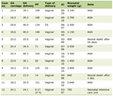 Click to view |
Table 1. Comparison Between irEncephalitis and
ICANS |
ICANS emerges within the first few days following CAR-T infusion, frequently coinciding with or following CRS, while irEncephalitis typically develops subacutely, often weeks to several months after initiation of immune checkpoint blockade. The massive expansion and activation of CAR-T cells trigger systemic release of inflammatory cytokines (IL-6, interferon (IFN)-γ, granulocyte-macrophage colony-stimulating factor (GM-CSF), etc.), leading to disruption of the BBB, endothelial activation, and microglial inflammation [61]. BBB disruption permits inflammatory mediators and immune cells to enter the CNS, where they induce neurotoxicity. Notably, myeloid cells play a critical role in this process. In vitro co-culture experiments have shown that CAR-T cells trigger monocytes to release IL-6 and other cytokines, and this process depends on GM-CSF signaling, therefore functioning as a pivotal paracrine signal. Studies have revealed that IL-1β compromises BBB integrity by disrupting astrocyte-endothelial interactions. Specifically, IL-1β suppresses the sonic hedgehog (SHH) signaling pathway in astrocytes, which is normally crucial for maintaining endothelial tight junctions. This allows more immune cells to enter CNS, eventually forming feed-forward loop (CAR-T → GM-CSF → monocyte IL-1/IL-6 → endothelial activation → BBB leak → more CNS immune infiltration) [62]. Indeed, preclinical models have demonstrated that inhibition of GM-CSF, a key myeloid activation factor, significantly ameliorates both CRS and ICANS severity, highlighting the pivotal contribution of myeloid-driven inflammation to its pathogenesis and its potential as target for treatment [63]. Elevated levels of GFAP and neurofilament light chain (NFL) in CSF reflect astrocytic and axonal injury, respectively [64, 65]. The elevation of the serum angiopoietin-2 (ANG2) to angiopoietin-1 (ANG1) ratio in patients with ICANS has been reported to be associated with endothelial activation, disruption of the BBB, and coagulation abnormalities [66-68]. Emerging studies have identified transforming growth factor (TGF)-β-activated kinase-1 (TAK1)-mediated mitogen-activated protein kinase (MAPK) signaling and microglial activation as central contributors to ICANS, suggesting new aspects of pathogenesis as well as therapeutic targets for intervention [26, 52].
Diagnosis: key symptoms, imaging, and laboratory findings
irEncephalitis often presents with hyperintense lesions on magnetic resonance imaging (MRI) fluid-attenuated inversion recovery (FLAIR) sequences, typically in the limbic system but potentially also in extralimbic or meningeal regions. CSF frequently reveals lymphocytic pleocytosis and elevated protein levels [69]. 18F-FDG positron emission tomography (PET) imaging has shown high diagnostic yield (sensitivity ∼ 87%) for encephalitis caused by autoantibodies, and can sometimes detect abnormalities not visible on MRI, as suggested by a meta-analysis performed by Bordonne et al [70]. They also suggested that different antibody subtypes can produce distinct metabolic patterns on PET scans, underscoring the importance of this modality in the management of irEncephalitis. While the above features support irEncephalitis, a structured differential is essential in cancer patients and must explicitly weigh common mimics. Key differentials and distinguishing clues are as follows. 1) Infectious encephalitis often presents with fever, early neutrophilic CSF, and herpes simplex virus (HSV)-predominant temporal-lobe diffusion-weighted imaging (DWI) changes with PCR positivity [71, 72]. 2) Autoimmune encephalitis includes paraneoplastic, onconeural-antibody syndromes (e.g., anti-Hu/Ma2; frequently steroid-refractory) and surface-antigen disorders (e.g., NMDAR, LGI1 with faciobrachial dystonic seizures; usually responsive to immune modulation) [73, 74]. 3) Brain metastases or leptomeningeal disease manifest with nodular parenchymal or linear leptomeningeal enhancement and malignant cells on CSF cytology when positive [75]. 4) Metabolic/toxic encephalopathy is suggested by fluctuating attention, asterixis/myoclonus, triphasic electroencephalograph (EEG) waves, normal CSF, and drug triggers (e.g., opioids, cefepime, calcineurin inhibitors) [76]. 5) Stroke or post-ictal states show vascular-territory DWI restriction or transient post-ictal deficits (e.g., Todd’s paresis) and often non-territorial, reversible peri-ictal MRI changes. A pragmatic approach is to exclude infection first, then integrate MRI with DWI/contrast or FDG-PET if MRI remains non-diagnostic but suspicion is high, EEG, comprehensive CSF studies (including viral PCR and cytology), and a broad neuronal-antibody panel.
Early recognition of CRS is crucial for diagnosing ICANS. CRS can present with a wide spectrum of clinical manifestations, and should be considered early in the differential diagnosis [77]. Mild CRS may initially present with nonspecific symptoms such as fever, fatigue, headache, rash, arthralgia, myalgia, cough, and tachypnea. However, progression to severe disease can involve hypotension, high-grade fever, vascular leakage, disseminated intravascular coagulation (DIC), and multi-organ dysfunction syndrome [78]. Notably, a large proportion of severe CRS cases fulfill clinical criteria for sepsis, and many even meet criteria for septic shock, making differentiation extremely challenging. Notably, laboratory abnormalities can aid in early recognition of CRS. Five key abnormalities commonly observed include: 1) cytopenias, 2) elevated serum creatinine, 3) elevated liver transaminases, 4) coagulation abnormalities, and 5) elevated C-reactive protein (CRP) levels. Awareness of these laboratory features is critical to prompt diagnosis and management.
However, the onset of neurologic symptoms does not always coincide with the development of CRS. As discussed earlier, neurologic symptoms can occur before, during, or even after the resolution of CRS, sometimes presenting as biphasic or isolated patterns, adding an additional layer of complexity to diagnosis. Additionally, the clinical manifestations of ICANS are broad, ranging from mild confusion with expressive aphasia, headache, and hallucinations, to more severe presentations such as global aphasia, hemiparesis, cranial nerve palsies, seizures, and somnolence. Moreover, ICANS frequently presents with normal MRI findings, although subtle changes such as cerebral edema may be observed in severe cases [41, 61]. CSF findings include elevated protein with mild pleocytosis, while biomarkers such as GFAP and NFL in CSF and serum serve as indicators of astrocytic and axonal injury, respectively [64, 65]. Cytokine profiling - especially levels of IL-6, IL-1, IFN-γ, and GM-CSF in blood and CSF - can aid in evaluating the inflammatory milieu and severity of ICANS [64]. The immune effector cell-associated encephalopathy (ICE) score is a key clinical tool used to monitor cognitive and neurological function in these patients. While the above features support ICANS, a structured differential is essential in recipients of immune-effector cell therapies. Common mimics and distinguishing clues include: 1) Sepsis-associated encephalopathy or systemic infection can manifest with fever/shock, metabolic derangements, and diffuse EEG slowing; note that severe CRS frequently fulfills sepsis or even septic-shock criteria, making early cultures and antimicrobials critical [78, 79]. 2) CNS infection can present with headache/meningismus and can be evaluated by early neutrophilic CSF and pathogen-specific polymerase chain reaction (PCR) (e.g., HSV), with repeat testing when early false negatives are suspected [72]. 3) Acute cerebrovascular events (ischemic/hemorrhagic stroke) characterized by hyperacute focal deficits with vascular-territory DWI restriction or acute hemorrhage on computed tomography (CT)/MRI. 4) Posterior reversible encephalopathy syndrome (PRES) can mimic ICANS, presenting with headache, visual symptoms, seizures with posterior-predominant vasogenic edema on FLAIR, often in the setting of hypertension or calcineurin-inhibitor exposure [80]. 5) The pretest probability of CNS infection in recipients of CAR-T and BiTE can be high and the presentations can mimic ICANS, and, most importantly, may alter early management. A single-cell/viral-genomics work showed that latent human herpesvirus (HHV)-6B may reactivate within CAR-T cells during manufacturing and activation, so early plasma and CSF HHV-6 PCR should be considered when altered mental status (AMS) or seizures emerge post-infusion [81]. In large cohorts, 6% plasma HHV-6B reactivation and 0.2% possible HHV-6 encephalitis within 12 weeks post-CAR-T have been reported [82]. Moreover, in patients with an Ommaya reservoir, which is not infrequently present in this population, device-associated ventriculitis or meningitis remains an important differential, with ∼ 5-8% infection rates across large series, arguing against steroid-first approached before appropriate diagnostic evaluations [83, 84]. A pragmatic workup is to exclude infection first, then integrate CT/MRI with DWI (also consider magnetic resonance arteriography (MRV)), EEG, and comprehensive CSF studies (cell count, chemistries, viral PCR, cytology).
Comparison with other types of neurological immune events: ICI-induced meningitis
For the sake of comparison, we shall briefly discuss pathophysiology, management, and prognosis of meningitis caused by ICIs. ICI-induced meningitis is less common compared to other neurologic toxicities such as myositis and encephalitis. It is often associated with anti- CTLA-4 inhibitors rather than anti- PD-1 inhibitors [38]. Similar to encephalitis, the pathophysiology of irMeningitis is speculated to involve autoimmune response, cytokine release, and disruption of the BBB. However, other pathways that involve mechanisms similar to CRS are indeed speculated to play a role, suggested by a combined case of hemophagocytic lymphohistiocytosis and meningitis due to atezolizumab treatment [85]. Mechanistically, irEncephalitis is largely autoimmunity/tolerance-loss with CSF lymphocytic pleocytosis and FLAIR lesions, while ICANS reflects cytokine-endothelial-microglial cascades with frequently normal MRI but elevated protein ± mild pleocytosis. In comparison, irMeningitis shares autoimmune/inflammatory meningeal involvement and rarely shows CRS-like features as described in hemophagocytic lymphohistiocytosis (HLH)-plus-meningitis.
The median time to onset of meningitis symptoms post-ICI administration varies, with some studies reporting a median of 9 days and others indicating a median of 21 days [86, 87]. By comparison, irEncephalitis usually presents subacutely about 5 weeks after ICI initiation, whereas ICANS typically arises within days of immune-effector cell infusion and often coincides with or follows CRS (see Sections “Etiologies: timing of onset and risk factors” to “Diagnosis: key symptoms, imaging, and laboratory findings”). This “earlier-than-encephalitis yet later-than-ICANS” timing helps triage workup when new headache/meningismus appears after starting immunotherapy.
Although direct head-to-head data are limited, ICI-associated meningitis is typically steroid-responsive with low short-term mortality and limited persistent deficits [87-90]. In a case series, four out of seven patients with ICI-related meningitis were treated with steroids, resulting in complete recovery within 2 weeks. The remaining patients improved spontaneously within 3 weeks [87]. This suggests that while steroids are beneficial, some cases may resolve without them, while in irEncephalitis, escalation beyond high-dose corticosteroids (intravenous immunoglobulin (IVIG)/plasma exchange (PLEX)/rituximab) is not infrequent and ICANS is managed by the American Society for Transplantation and Cellular Therapy (ASTCT) grade with dexamethasone and anti-cytokine strategies in the presence of CRS.
The prognosis for patients with ICI-related meningitis is generally favorable. In the case series described above, all patients who experienced meningitis were able to resume ICI therapy without recurrence of meningitis, indicating that rechallenge with ICIs can be safe under careful monitoring [87]. This is an important comparison to ICANS where cellular products are not “stopped” per se (CAR-T is single-infusion; TCEs use dose holds) or irEncephalitis which typically prompts ICI interruption and individualized rechallenge.
Taken together, ICI-induced meningitis appears to have a more favorable clinical trajectory than irEncephalitis or ICANS, with earlier symptom onset, higher rates of spontaneous or steroid-responsive recovery, and a lower risk of treatment-limiting recurrence. These features highlight that not all immune-mediated neurological adverse events carry the same risk profile. Therefore, distinguishing meningitis from encephalitis in the clinical setting is crucial not only for prognostication but also for guiding therapeutic decisions, including the safe resumption of immunotherapy under careful surveillance.
| Comparison of Management and Therapeutic Strategies | ▴Top |
Grading systems
Grading the severity of neurologic toxicity is essential for standardized management and early therapeutic intervention. For irEncephalitis, severity is typically assessed based on clinical judgment, guided by American Society of Clinical Oncology (ASCO) and National Comprehensive Cancer Network (NCCN) recommendations [91]. These frameworks incorporate symptom intensity, imaging findings, and functional impairment, and help determine when to withhold ICIs or escalate immunosuppression. However, a universally accepted grading scale specific to irEncephalitis is still lacking, in part due to its low incidence and clinical heterogeneity [30].
In contrast, ICANS is evaluated using the standardized grading system developed by the ASTCT, which integrates the ICE score, level of consciousness, presence of seizures, motor deficits, and signs of cerebral edema (Tables 2 and 3). This system enables clinicians to triage patients and implement stage-specific treatments such as corticosteroids or IL-6 blockade (e.g., tocilizumab) in CRS-associated cases. It also facilitates the coordination of neurologic and systemic management in overlapping CRS/ICANS presentations. However, it is important to note that the ICANS grading system was originally developed in the context of CAR-T therapy, and its applicability to other treatments such as TCEs remains a subject of ongoing discussion.
Click to view |
Table 2. ICE Score |
Click to view |
Table 3. Grading and Treatment of
ICANS |
Treatment of irEncephalitis
Management of irEncephalitis centers on suppressing the autoimmune inflammatory response triggered by ICIs (Table 4). The first step is prompt discontinuation of ICIs, followed by immunosuppressive therapy. High-dose corticosteroids such as methylprednisolone are typically the first-line treatment [59]. In patients with inadequate response or severe presentations, adjunctive therapies including IVIG, PLEX, and rituximab may be considered, particularly when neuronal autoantibodies such as anti-Hu or anti-Ma2 are detected [30]. Indeed, the presence of specific autoantibodies may also influence therapeutic decisions. For instance, cases associated with anti-glutamic acid decarboxylase (GAD) or anti-GFAP antibodies often show good steroid responsiveness, whereas those with onconeuronal antibodies (e.g., anti-Hu) may require more aggressive treatment due to a poorer prognosis [92]. There is growing interest in precision immunomodulation targeting cytokine pathways or specific immune cells in cancer treatment, but evidence remains limited. Therefore, current practice is largely based on expert consensus and observational studies.
Click to view |
Table 4. Clinical Grading and Corresponding
Treatment Recommendations for irEncephalitis |
Treatment of ICANS
In contrast, the treatment of ICANS emphasizes control of cytokine-mediated neuroinflammation (Table 3). Corticosteroids are the cornerstone of ICANS management, particularly for grade 2 or higher toxicity according to ASTCT criteria [91]. Dexamethasone is commonly used due to its CNS penetration and anti-inflammatory potency. For ICANS associated with CRS, tocilizumab, an IL-6 receptor antagonist, is recommended as first-line therapy. While tocilizumab is approved for CRS, it is important to note that it may not cross the BBB effectively, resulting in limited efficacy for ICANS symptoms. Nonetheless, it plays a crucial role in reducing systemic inflammation and may indirectly benefit neurologic symptoms [93].
While current ICANS grading and management frameworks were originally developed for CAR-T therapies, emerging evidence suggests their applicability to multiple TCE platforms as well [94]. Across TCE platforms, a common pattern has been observed in which CRS precedes the onset of neurotoxicity, and the improvement of CRS seems to lead to the secondary improvement of neurologic symptoms caused by other TCEs. However, dedicated toxicity characterization in TCE trials remains limited, and future guidelines should address the nuances of TCE-specific presentations.
In patients with refractory or recurrent ICANS, anakinra, an IL-1 receptor antagonist, has been explored as a potential alternative to tocilizumab, as IL-1 is speculated to play a central role and experiments in murine models revealed that its inhibition reduces neuronal toxicity of immune therapy [95]. According to a recent update of ASCO Clinical Practice Guidelines, anakinra is not FDA-approved for CRS, and its use remains off-label [96]. Key considerations include contraindication to co-administration with tumor necrosis factor (TNF)-α inhibitors, risks in the context of active or chronic infections and uncertain long-term malignancy risk, need for neutrophil count monitoring, and avoidance of concurrent administration with live vaccines. Despite these cautions, there are accumulating case reports and small series suggesting anakinra’s benefit in severe or steroid-refractory ICANS and CRS, particularly given its CNS penetration and role in modulating IL-1-mediated microglial activation [97].
Antiepileptic drugs such as levetiracetam are frequently administered for seizure prophylaxis or treatment, especially in severe ICANS. Their use is supported by the high incidence of subclinical seizures and the potential for status epilepticus in advanced cases [98].
While off-label, recent studies have also documented the expanding use of tocilizumab in severe or steroid-refractory ICANS in other T-cell-engaging therapies, including tarlatamab, a delta-like ligand 3 (DLL3)-targeting BiTE. Blinatumomab has been reported to cause CRS in approximately 40-50% of patients, and ICANS-like neurotoxicity in 10-15% [99]. Clinical trial data show that patients receiving tarlatamab who developed CRS or neurotoxicity were successfully managed with tocilizumab, reinforcing its central role across different immunotherapeutic platforms. In the DeLLphi-300 trial evaluating tarlatamab, tocilizumab effectively managed grade ≥ 2 CRS and was also associated with improvement in associated neurologic events. These findings suggest that anakinra use, now off-label, can be considered, supported by its CNS penetration and biologic rationale for IL-1-mediated microglial activation.
In summary, ICANS is an anticipated, generally time-limited toxicity of immune-effector cell therapies associated with cytokine-driven endothelial/microglial activation. It is graded and treated algorithmically (ASTCT/ICE) with short-course corticosteroids, prompt anti-cytokine therapy when CRS is present (e.g., tocilizumab), and currently off-label use of anakinra considered for steroid-refractory courses. By contrast, irEncephalitis is a rare, autoimmune loss-of-tolerance toxicity in which clinicians should maintain a low threshold to hold ICIs, pursue CSF/MRI/antibody workup, and escalate early to multimodal immunosuppression (high-dose steroids → IVIG/PLEX ± B-cell-directed agents) when recovery is incomplete. Operationally, timing relative to therapy (days for ICANS vs. weeks for irEncephalitis), typical investigations (ICANS with frequently normal MRI and irEncephalitis with lymphocytic CSF associated with limbic/extralimbic FLAIR abnormalities), and the risk of residual neurologic impairment (higher in irEncephalitis) guide treatment intensity and decisions around therapy interruption or rechallenge. These distinctions underscore a mechanism-oriented, team-based approach of each syndrome rather than phenotype (Tables 2-4).
| Future Directions | ▴Top |
Although irEncephalitis and ICANS share overlapping clinical features such as confusion, seizures, and encephalopathy, their underlying pathogenesis demands distinct therapeutic approaches. Ultimately, mechanism-informed intervention is the key to improving outcomes. While irEncephalitis requires modulation of autoimmune processes, ICANS demands rapid suppression of cytokine-driven neuroinflammation and stabilization of CNS homeostasis. Novel biomarkers and therapeutic targets (e.g., microglial signaling, BBB integrity) are under investigation and hold promise for more precise and effective management in the future [96, 100].
The landscape of TCE therapies is rapidly evolving. As of November 2023, seven TCE therapies have received clinical approval, reflecting significant advancements in this field [52, 101]. There has been a surge in the number of clinical trials investigating TCEs, with over 600 trials reported in the past year alone. Notably, three TCEs received approval in the latter half of 2024, highlighting the accelerated pace of development and regulatory endorsement in this domain. With their rapid growth, reports on ICANS with the use of newer T-cell engagement modalities are being accumulated (Table 5 [102-110]). While the overall incidence of ICANS appears lower than that observed with CAR-T therapies - typically less than 5% for grade ≥ 3 events across most agents - blinatumomab, a CD19 × CD3 BiTE, remains a notable exception. In clinical trials, grade ≥ 3 neurotoxicity has been observed in approximately 7-15% of patients, with seizures occurring in 1-2%. This increased risk may be partially explained by the expression of CD19 on perivascular mural cells within the CNS [111]. Importantly, most ICANS events associated with blinatumomab are reversible and tend to occur during the initial treatment cycle, typically resolving within 3 to 5 days [102, 112]. Reports suggest that 9% of patients taking talquetamab experience ICANS (all-grade) and 6% grade ≥ 3 neurologic adverse events (no grade 4 ICANS); however, most neurotoxicities were headache or encephalopathy.
Click to view |
Table 5. Incidence of ICANS in Key T-Cell
Engaging Therapies (Phase II or Later) |
Emerging evidence suggests that incorporating a third specificity, particularly targeting co-stimulatory molecules such as CD28, 4-1BB, or OX40, in addition to CD3 on T cells and a tumor-associated antigen (TAA) on cancer cells, can enhance T-cell activation and prevent exhaustion. This platform offers modularity, allowing for the exchange of different single-chain fragment variable (scFv) fragments to target various TAAs, and has demonstrated superior antitumor activity and T-cell proliferation in preclinical models. However, the challenge of adverse events still remains; certain TCEs targeting specific TAAs or with a CD3 binding domain with weaker affinity have been linked to unique toxicity profiles, such as hepatotoxicity or dermatologic reactions [113]. In a phase I trial involving patients with relapsed or refractory B-cell malignancies, CC312 (CD19 × CD3 × CD28) demonstrated favorable tolerability, with no grade ≥ 3 ICANS reported [114]. However, the available data remain limited, and continued observation will be essential to fully understand the safety profile of this modality. Understanding these nuances is crucial for developing tailored management strategies and informing clinical trial designs.
This review highlights the importance of distinguishing autoimmune-driven irEncephalitis from cytokine-mediated ICANS, and calls for standardized, pathology-informed treatment algorithms. Future studies should incorporate these frameworks into real-world clinical pathways to improve patient safety and therapeutic outcomes.
| Conclusions | ▴Top |
irEncephalitis and ICANS often share overlapping clinical features but arise from distinct mechanisms, making it essential to distinguish between them and to rule out common mimics before initiating treatment. Mechanism-guided interventions remain central to outcomes: restoring immune tolerance in irEncephalitis versus rapidly suppressing cytokine-driven inflammation in ICANS. Standardized grading, platform-specific reporting and data from early T-cell engager trials, together with emerging biomarkers of microglial activation and BBB integrity, will be key to advancing precise management.
Acknowledgments
None to declare.
Financial Disclosure
None to declare.
Conflict of Interest
None to declare.
Author Contributions
ST: conceptualization, investigation, and writing–original draft; KC and SG: writing–review and editing; KT: conceptualization, writing–review and editing, and supervision.
Data Availability
Data sharing is not applicable to this article as no datasets were generated or analyzed during the current study.
Abbreviations
BiTE: bispecific T-cell engager; CAR-T: chimeric antigen receptor T-cell; CRS: cytokine release syndrome; GFAP: glial fibrillary acidic protein; ICANS: immune effector cell-associated neurotoxicity syndrome; ICE: immune effector cell-associated encephalopathy; ICI: immune checkpoint inhibitor; irAE: immune-related adverse event; irEncephalitis: immune checkpoint inhibitor-related encephalitis; NFL: neurofilament light chain; PRES: posterior reversible encephalopathy syndrome; TAA: tumor-associated antigen; TAK1: transforming growth factor beta-activated kinase 1; TCE: T-cell engager; TME: tumor microenvironment
| References | ▴Top |
- Tokumaru Y, Joyce D, Takabe K. Current status and limitations of
immunotherapy for breast cancer. Surgery. 2020;167(3):628-630.
doi pubmed - Yu I, Dakwar A, Takabe K. Immunotherapy: recent advances and its
future as a neoadjuvant, adjuvant, and primary treatment in colorectal cancer. Cells.
2023;12(2).
doi pubmed - Sato T, Fujiwara Y. Encouraging co-targeting of immunoregulatory
molecules in cancer treatment. Immunotherapy. 2025;17(2):67-70.
doi pubmed - Omori R, Fujiwara Y, Tokunaga K, Sato T, Mukherjee S. Perioperative chemoimmunotherapy for patients with gastric or gastroesophageal junction cancer: A systematic review and meta-analysis. Journal of Clinical Oncology. 2025;43(4_suppl):430.
- Yan C, Huang M, Swetlik C, Toljan K, Mahadeen AZ, Bena J, Kunchok A,
et al. Predictors for the development of neurological immune-related adverse events of immune
checkpoint inhibitors and impact on mortality. Eur J Neurol.
2023;30(10):3221-3227.
doi pubmed - Larkin J, Chmielowski B, Lao CD, Hodi FS, Sharfman W, Weber J,
Suijkerbuijk KPM, et al. Neurologic serious adverse events associated with nivolumab plus
ipilimumab or nivolumab alone in advanced melanoma, including a case series of encephalitis.
Oncologist. 2017;22(6):709-718.
doi pubmed - Mancone S, Lycan T, Ahmed T, Topaloglu U, Dothard A, Petty WJ, Strowd
RE. Severe neurologic complications of immune checkpoint inhibitors: a single-center review.
J Neurol. 2018;265(7):1636-1642.
doi pubmed - Brown CE, Hibbard JC, Alizadeh D, Blanchard MS, Natri HM, Wang D,
Ostberg JR, et al. Locoregional delivery of IL-13Ralpha2-targeting CAR-T cells in recurrent
high-grade glioma: a phase 1 trial. Nat Med. 2024;30(4):1001-1012.
doi pubmed - Del Bufalo F, De Angelis B, Caruana I, Del Baldo G, De Ioris MA,
Serra A, Mastronuzzi A, et al. GD2-CART01 for relapsed or refractory high-risk neuroblastoma.
N Engl J Med. 2023;388(14):1284-1295.
doi pubmed - Lin Y, Yin H, Zhou C, Zhou L, Zeng Y, Yao H. Phase I clinical trial of MUC1-targeted CAR-T cells with PD-1-knockout in the treatment of advanced breast cancer. Journal of Clinical Oncology. 2024;42(16_suppl):1089.
- Keenan BP, Lieu CH, Fakih M, Venook AP, Chen D, Rowinsky EK, et al. A phase 1 dose-escalation study of GCC19CART: A novel CAR T-cell therapy for metastatic colorectal cancer in the United States. Journal of Clinical Oncology. 2025;43(4_suppl):175.
- Qi C, Xie T, Zhou J, Wang X, Gong J, Zhang X, Li J, et al. CT041 CAR
T cell therapy for Claudin18.2-positive metastatic pancreatic cancer. J Hematol Oncol.
2023;16(1):102.
doi pubmed - Qi C, Gong J, Li J, Liu D, Qin Y, Ge S, Zhang M, et al.
Claudin18.2-specific CAR T cells in gastrointestinal cancers: phase 1 trial interim results. Nat
Med. 2022;28(6):1189-1198.
doi pubmed - Kandalaft LE, Powell DJ, Jr., Coukos G. A phase I clinical trial of
adoptive transfer of folate receptor-alpha redirected autologous T cells for recurrent ovarian
cancer. J Transl Med. 2012;10:157.
doi pubmed - Bellis RY, Adusumilli PS, Amador-Molina A. DLL3-targeted CAR T-cell
therapy in pre-clinical models for small cell lung cancer: safety, efficacy, and challenges.
Transl Lung Cancer Res. 2024;13(3):694-698.
doi pubmed - Du B, Qin J, Lin B, Zhang J, Li D, Liu M. CAR-T therapy in solid
tumors. Cancer Cell. 2025;43(4):665-679.
doi pubmed - Peng L, Sferruzza G, Yang L, Zhou L, Chen S. CAR-T and CAR-NK as
cellular cancer immunotherapy for solid tumors. Cell Mol Immunol. 2024;21(10):1089-1108.
doi pubmed - Hagerty BL, Takabe K. Biology of mesothelin and clinical
implications: a review of existing literature. World J Oncol.
2023;14(5):340-349.
doi pubmed - Hagerty BL, Sato T, Wu R, Ishikawa T, Takabe K. Mesothelin (MSLN) is
highly expressed in triple negative breast cancer and is associated with enhanced cell
proliferation and proinflammatory tumor microenvironment. Ann Surg Oncol.
2025;32(6):4476-4486.
doi pubmed - Sato T, Hagerty BL, Wu R, Ishikawa T, Takabe K. ASO author
reflections: Is mesothelin a promising option for molecular targeted therapies in triple
negative breast cancer? Ann Surg Oncol. 2025;32(8):6106-6107.
doi pubmed - Sato T, Oshi M, Lee J, Roy AM, Chida K, Endo I, et al. Abstract 2520: CD133 expression is associated with less DNA repair, better response to chemotherapy, and survival in ER-positive/ER-negative breast cancer. Cancer Research. 2024;84(6_Supplement):2520.
- Sato T, Oshi M, Huang JL, Chida K, Roy AM, Endo I, Takabe K. CD133
expression is associated with less DNA repair, better response to chemotherapy and survival in
ER-positive/HER2-negative breast cancer. Breast Cancer Res Treat. 2024;208(2):415-427.
doi pubmed - Chida K, Oshi M, Roy AM, Sato T, Takabe MP, Yan L, Endo I, et al.
Enhanced cancer cell proliferation and aggressive phenotype counterbalance in breast cancer with
high BRCA1 gene expression. Breast Cancer Res Treat. 2024;208(2):321-331.
doi pubmed - Chen Q, Sun Y, Li H. Application of CAR-T cell therapy targeting
mesothelin in solid tumor treatment. Discov Oncol. 2024;15(1):289.
doi pubmed - Dai H, Tong C, Shi D, Chen M, Guo Y, Chen D, Han X, et al. Efficacy
and biomarker analysis of CD133-directed CAR T cells in advanced hepatocellular carcinoma: a
single-arm, open-label, phase II trial. Oncoimmunology. 2020;9(1):1846926.
doi pubmed - Dowling MR, Turtle CJ. ICANS prophylaxis: potentially transformative
but elusive. Blood Adv. 2023;7(21):6782-6784.
doi pubmed - Xiao X, Huang S, Chen S, Wang Y, Sun Q, Xu X, Li Y. Mechanisms of
cytokine release syndrome and neurotoxicity of CAR T-cell therapy and associated prevention and
management strategies. J Exp Clin Cancer Res. 2021;40(1):367.
doi pubmed - Sliwa-Tytko P, Kaczmarska A, Lejman M, Zawitkowska J. Neurotoxicity
associated with treatment of acute lymphoblastic leukemia chemotherapy and immunotherapy. Int J
Mol Sci. 2022;23(10).
doi pubmed - Shalabi H, Nellan A, Shah NN, Gust J. Immunotherapy associated
neurotoxicity in pediatric oncology. Front Oncol. 2022;12:836452.
doi pubmed - Velasco R, Villagran M, Jove M, Simo M, Vilarino N, Alemany M,
Palmero R, et al. Encephalitis induced by immune checkpoint inhibitors: a systematic review.
JAMA Neurol. 2021;78(7):864-873.
doi pubmed - Nersesjan V, McWilliam O, Krarup LH, Kondziella D. Autoimmune
encephalitis related to cancer treatment with immune checkpoint inhibitors: a systematic review.
Neurology. 2021;97(2):e191-e202.
doi pubmed - Zivelonghi C, Zekeridou A. Neurological complications of immune
checkpoint inhibitor cancer immunotherapy. J Neurol Sci. 2021;424:117424.
doi pubmed - Spain L, Walls G, Julve M, O'Meara K, Schmid T, Kalaitzaki E,
Turajlic S, et al. Neurotoxicity from immune-checkpoint inhibition in the treatment of melanoma:
a single centre experience and review of the literature. Ann Oncol. 2017;28(2):377-385.
doi pubmed - Spain L, Wong R. The neurotoxic effects of immune checkpoint
inhibitor therapy for melanoma. Melanoma Manag. 2019;6(2):MMT16.
doi pubmed - Farina A, Villagran-Garcia M, Ciano-Petersen NL, Vogrig A,
Muniz-Castrillo S, Taillandier L, Michaud M, et al. Anti-Hu antibodies in patients with
neurologic side effects of immune checkpoint inhibitors. Neurol Neuroimmunol Neuroinflamm.
2023;10(1).
doi pubmed - Muller-Jensen L, Knauss S, Ginesta Roque L, Schinke C, Maierhof SK,
Bartels F, Finke C, et al. Autoantibody profiles in patients with immune checkpoint
inhibitor-induced neurological immune related adverse events. Front Immunol.
2023;14:1108116.
doi pubmed - Suzuki S, Ishikawa N, Konoeda F, Seki N, Fukushima S, Takahashi K,
Uhara H, et al. Nivolumab-related myasthenia gravis with myositis and myocarditis in Japan.
Neurology. 2017;89(11):1127-1134.
doi pubmed - Vogrig A, Muniz-Castrillo S, Farina A, Honnorat J, Joubert B. How to
diagnose and manage neurological toxicities of immune checkpoint inhibitors: an update.
J Neurol. 2022;269(3):1701-1714.
doi pubmed - Graus F, Dalmau J. Paraneoplastic neurological syndromes in the era
of immune-checkpoint inhibitors. Nat Rev Clin Oncol. 2019;16(9):535-548.
doi pubmed - Burton LB, Eskian M, Guidon AC, Reynolds KL. A review of
neurotoxicities associated with immunotherapy and a framework for evaluation. Neurooncol Adv.
2021;3(Suppl 5):v108-v120.
doi pubmed - Neelapu SS, Tummala S, Kebriaei P, Wierda W, Gutierrez C, Locke FL,
Komanduri KV, et al. Chimeric antigen receptor T-cell therapy - assessment and management of
toxicities. Nat Rev Clin Oncol. 2018;15(1):47-62.
doi pubmed - Brudno JN, Kochenderfer JN. Toxicities of chimeric antigen receptor T
cells: recognition and management. Blood. 2016;127(26):3321-3330.
doi pubmed - Erratum: Lee DW, Gardner R, Porter DL, et al. Current concepts in the
diagnosis and management of cytokine release syndrome. Blood. 2014;124(2):188-195. Blood.
2016;128(11):1533.
doi pubmed - Santomasso BD, Gust J, Perna F. How I treat unique and
difficult-to-manage cases of CAR T-cell therapy-associated neurotoxicity. Blood.
2023;141(20):2443-2451.
doi pubmed - Perna F, Parekh S, Diorio C, Smith M, Subklewe M, Mehta R, Locke FL,
et al. CAR T-cell toxicities: from bedside to bench, how novel toxicities inform laboratory
investigations. Blood Adv. 2024;8(16):4348-4358.
doi pubmed - Bellal M, Malherbe J, Damaj G, Du Cheyron D. Toxicities, intensive
care management, and outcome of chimeric antigen receptor T cells in adults: an update. Crit
Care. 2024;28(1):69.
doi pubmed - Jain MD. Prolonged neurologic symptoms after CAR T cell therapy -
What is it? Transplant Cell Ther. 2025;31(4):190-191.
doi pubmed - Minami S, Okada H, Ihara S, Tsuji H, Yamadera M, Yasuoka H.
Pembrolizumab-induced meningoencephalitis: a brain autopsy case. J Med Cases.
2021;12(9):359-365.
doi pubmed - Vogrig A, Muniz-Castrillo S, Joubert B, Picard G, Rogemond V, Marchal
C, Chiappa AM, et al. Central nervous system complications associated with immune checkpoint
inhibitors. J Neurol Neurosurg Psychiatry. 2020;91(7):772-778.
doi pubmed - Bjursten S, Zhao Z, Al Remawi H, Studahl M, Pandita A, Simren J,
Zetterberg H, et al. Concentrations of S100B and neurofilament light chain in blood as
biomarkers for checkpoint inhibitor-induced CNS inflammation. EBioMedicine.
2024;100:104955.
doi pubmed - Farina A, Villagran-Garcia M, Fourier A, Pinto AL, Chorfa F, Timestit
N, Alberto T, et al. Diagnostic and prognostic biomarkers in immune checkpoint inhibitor-related
encephalitis: a retrospective cohort study. Lancet Reg Health Eur. 2024;44:101011.
doi pubmed - Vinnakota JM, Biavasco F, Schwabenland M, Chhatbar C, Adams RC, Erny
D, Duquesne S, et al. Targeting TGFbeta-activated kinase-1 activation in microglia reduces CAR T
immune effector cell-associated neurotoxicity syndrome. Nat Cancer. 2024;5(8):1227-1249.
doi pubmed - Linnerbauer M, Beyer T, Nirschl L, Farrenkopf D, Losslein L, Vandrey
O, Peter A, et al. PD-L1 positive astrocytes attenuate inflammatory functions of PD-1 positive
microglia in models of autoimmune neuroinflammation. Nat Commun. 2023;14(1):5555.
doi pubmed - Manenti S, Orrico M, Masciocchi S, Mandelli A, Finardi A, Furlan R.
PD-1/PD-L axis in neuroinflammation: new insights. Front Neurol. 2022;13:877936.
doi pubmed - Kummer MP, Ising C, Kummer C, Sarlus H, Griep A, Vieira-Saecker A,
Schwartz S, et al. Microglial PD-1 stimulation by astrocytic PD-L1 suppresses neuroinflammation
and Alzheimer's disease pathology. EMBO J. 2021;40(24):e108662.
doi pubmed - Buckley MW, Balaji Warner A, Brahmer J, Cappelli LC, Sharfman WH,
Fuchs E, Kang H, et al. Immune-related encephalitis after immune checkpoint inhibitor therapy.
Oncologist. 2025;30(1).
doi pubmed - Desbaillets NP, Hottinger AF. Cancer therapy-induced encephalitis.
Cancers (Basel). 2024;16(21).
doi pubmed - Williams TJ, Benavides DR, Patrice KA, Dalmau JO, de Avila AL, Le DT,
Lipson EJ, et al. Association of autoimmune encephalitis with combined immune checkpoint
inhibitor treatment for metastatic cancer. JAMA Neurol. 2016;73(8):928-933.
doi pubmed - Stuby J, Herren T, Schwegler Naumburger G, Papet C, Rudiger A. Immune
checkpoint inhibitor therapy-associated encephalitis: a case series and review of the
literature. Swiss Med Wkly. 2020;150:w20377.
doi pubmed - Vogrig A, Dentoni M, Florean I, Cellante G, Domenis R, Iacono D,
Pelizzari G, et al. Prediction, prevention, and precision treatment of immune checkpoint
inhibitor neurological toxicity using autoantibodies, cytokines, and microbiota. Front Immunol.
2025;16:1548897.
doi pubmed - Morris EC, Neelapu SS, Giavridis T, Sadelain M. Cytokine release
syndrome and associated neurotoxicity in cancer immunotherapy. Nat Rev Immunol.
2022;22(2):85-96.
doi pubmed - Gust J, Ponce R, Liles WC, Garden GA, Turtle CJ. Cytokines in CAR T
cell-associated neurotoxicity. Front Immunol. 2020;11:577027.
doi pubmed - Sterner RM, Sakemura R, Cox MJ, Yang N, Khadka RH, Forsman CL, Hansen
MJ, et al. GM-CSF inhibition reduces cytokine release syndrome and neuroinflammation but
enhances CAR-T cell function in xenografts. Blood. 2019;133(7):697-709.
doi pubmed - Gust J, Hay KA, Hanafi LA, Li D, Myerson D, Gonzalez-Cuyar LF, Yeung
C, et al. Endothelial activation and blood-brain barrier disruption in neurotoxicity after
adoptive immunotherapy with CD19 CAR-T cells. Cancer Discov. 2017;7(12):1404-1419.
doi pubmed - Santomasso BD, Park JH, Salloum D, Riviere I, Flynn J, Mead E, Halton
E, et al. Clinical and biological correlates of neurotoxicity associated with CAR T-cell therapy
in patients with b-cell acute lymphoblastic leukemia. Cancer Discov. 2018;8(8):958-971.
doi pubmed - Gatto L, Ricciotti I, Tosoni A, Di Nunno V, Bartolini S, Ranieri L,
Franceschi E. CAR-T cells neurotoxicity from consolidated practice in hematological malignancies
to fledgling experience in CNS tumors: fill the gap. Front Oncol. 2023;13:1206983.
doi pubmed - Schwameis M, Schorgenhofer C, Assinger A, Steiner MM, Jilma B. VWF
excess and ADAMTS13 deficiency: a unifying pathomechanism linking inflammation to thrombosis in
DIC, malaria, and TTP. Thromb Haemost. 2015;113(4):708-718.
doi pubmed - Korell F, Penack O, Mattie M, Schreck N, Benner A, Krzykalla J, Wang
Z, et al. EASIX and severe endothelial complications after CD19-directed CAR-T cell therapy-a
cohort study. Front Immunol. 2022;13:877477.
doi pubmed - Dentoni M, Florean I, Farina A, Joubert B, Do LD, Honnorat J, Damato
V, et al. Immune checkpoint inhibitor-related cerebellar toxicity: clinical features and
comparison with paraneoplastic cerebellar ataxia. Cerebellum. 2024;23(6):2308-2323.
doi pubmed - Bordonne M, Chawki MB, Doyen M, Kas A, Guedj E, Tyvaert L, Verger A.
Brain (18)F-FDG PET for the diagnosis of autoimmune encephalitis: a systematic review and a
meta-analysis. Eur J Nucl Med Mol Imaging. 2021;48(12):3847-3858.
doi pubmed - Chow FC, Glaser CA, Sheriff H, Xia D, Messenger S, Whitley R,
Venkatesan A. Use of clinical and neuroimaging characteristics to distinguish temporal lobe
herpes simplex encephalitis from its mimics. Clin Infect Dis. 2015;60(9):1377-1383.
doi pubmed - Tunkel AR, Glaser CA, Bloch KC, Sejvar JJ, Marra CM, Roos KL, Hartman
BJ, et al. The management of encephalitis: clinical practice guidelines by the Infectious
Diseases Society of America. Clin Infect Dis. 2008;47(3):303-327.
doi pubmed - Graus F, Titulaer MJ, Balu R, Benseler S, Bien CG, Cellucci T,
Cortese I, et al. A clinical approach to diagnosis of autoimmune encephalitis. Lancet Neurol.
2016;15(4):391-404.
doi pubmed - Thompson J, Bi M, Murchison AG, Makuch M, Bien CG, Chu K, Farooque P,
et al. The importance of early immunotherapy in patients with faciobrachial dystonic seizures.
Brain. 2018;141(2):348-356.
doi pubmed - Wilcox JA, Chukwueke UN, Ahn MJ, Aizer AA, Bale TA, Brandsma D,
Brastianos PK, et al. Leptomeningeal metastases from solid tumors: A Society for Neuro-Oncology
and American Society of Clinical Oncology consensus review on clinical management and future
directions. Neuro Oncol. 2024;26(10):1781-1804.
doi pubmed - Emmady PD, Murr NI: EEG Triphasic Waves. In: StatPearls. Treasure
Island (FL): StatPearls Publishing. 2025.
pubmed - Fajgenbaum DC, June CH. Cytokine storm.
N Engl J Med. 2020;383(23):2255-2273.
doi pubmed - Shimabukuro-Vornhagen A, Godel P, Subklewe M, Stemmler HJ, Schlosser
HA, Schlaak M, Kochanek M, et al. Cytokine release syndrome. J Immunother Cancer.
2018;6(1):56.
doi pubmed - Sonneville R, Benghanem S, Jeantin L, de Montmollin E, Doman M,
Gaudemer A, Thy M, et al. The spectrum of sepsis-associated encephalopathy: a clinical
perspective. Crit Care. 2023;27(1):386.
doi pubmed - Pinto SN, Liu CJ, Nelson MD, Jr., Bluml S, Livingston D, Tamrazi B.
Neuroimaging of complications arising after CD19 chimeric antigen receptor T-cell therapy: A
review. J Neuroimaging. 2023;33(5):703-715.
doi pubmed - Lareau CA, Yin Y, Maurer K, Sandor KD, Daniel B, Yagnik G, Pena J, et
al. Latent human herpesvirus 6 is reactivated in CAR T cells. Nature.
2023;623(7987):608-615.
doi pubmed - Kampouri E, Krantz EM, Xie H, Ibrahimi SS, Kiem ES, Sekhon MK, Liang
EC, et al. Human herpesvirus 6 reactivation and disease are infrequent in chimeric antigen
receptor T-cell therapy recipients. Blood. 2024;144(5):490-495.
doi pubmed - Mead PA, Safdieh JE, Nizza P, Tuma S, Sepkowitz KA. Ommaya reservoir
infections: a 16-year retrospective analysis. J Infect. 2014;68(3):225-230.
doi pubmed - Szvalb AD, Raad, II, Weinberg JS, Suki D, Mayer R, Viola GM. Ommaya
reservoir-related infections: clinical manifestations and treatment outcomes. J Infect.
2014;68(3):216-224.
doi pubmed - Ota H, Munechika M, Tobino K, Uchida K, Muarakami Y. A case report of
hemophagocytic lymphohistiocytosis and meningitis due to atezolizumab treatment for lung
adenocarcinoma. Cureus. 2024;16(4):e58253.
doi pubmed - Sato K, Mano T, Iwata A, Toda T. Neurological and related adverse
events in immune checkpoint inhibitors: a pharmacovigilance study from the Japanese Adverse Drug
Event Report database. J Neurooncol. 2019;145(1):1-9.
doi pubmed - Cuzzubbo S, Tetu P, Guegan S, Ursu R, Belin C, Sirven Villaros L,
Mazoyer J, et al. Reintroduction of immune-checkpoint inhibitors after immune-related
meningitis: a case series of melanoma patients. J Immunother Cancer. 2020;8(2).
doi pubmed - Johnson DB, Manouchehri A, Haugh AM, Quach HT, Balko JM,
Lebrun-Vignes B, Mammen A, et al. Neurologic toxicity associated with immune checkpoint
inhibitors: a pharmacovigilance study. J Immunother Cancer. 2019;7(1):134.
doi pubmed - Nannini S, Koshenkova L, Baloglu S, Chaussemy D, Noel G, Schott R.
Immune-related aseptic meningitis and strategies to manage immune checkpoint inhibitor therapy:
a systematic review. J Neurooncol. 2022;157(3):533-550.
doi pubmed - Thouvenin L, Olivier T, Banna G, Addeo A, Friedlaender A. Immune
checkpoint inhibitor-induced aseptic meningitis and encephalitis: a case-series and narrative
review. Ther Adv Drug Saf. 2021;12:20420986211004745.
doi pubmed - Lee DW, Santomasso BD, Locke FL, Ghobadi A, Turtle CJ, Brudno JN,
Maus MV, et al. ASTCT consensus grading for cytokine release syndrome and neurologic toxicity
associated with immune effector cells. Biol Blood Marrow Transplant. 2019;25(4):625-638.
doi pubmed - Alsalem AN, Scarffe LA, Briemberg HR, Aaroe AE, Harrison RA.
Neurologic complications of cancer immunotherapy. Curr Oncol. 2023;30(6):5876-5897.
doi pubmed - Siegler EL, Kenderian SS. Neurotoxicity and cytokine release syndrome
after chimeric antigen receptor T cell therapy: insights into mechanisms and novel therapies.
Front Immunol. 2020;11:1973.
doi pubmed - Paz-Ares L, Champiat S, Lai WV, Izumi H, Govindan R, Boyer M, Hummel
HD, et al. Tarlatamab, a first-in-class DLL3-targeted bispecific T-cell engager, in recurrent
small-cell lung cancer: an open-label, phase I study. J Clin Oncol.
2023;41(16):2893-2903.
doi pubmed - Norelli M, Camisa B, Barbiera G, Falcone L, Purevdorj A, Genua M,
Sanvito F, et al. Monocyte-derived IL-1 and IL-6 are differentially required for
cytokine-release syndrome and neurotoxicity due to CAR T cells. Nat Med.
2018;24(6):739-748.
doi pubmed - Schneider BJ, Naidoo J, Santomasso BD, Lacchetti C, Adkins S, Anadkat
M, Atkins MB, et al. Management of immune-related adverse events in patients treated with immune
checkpoint inhibitor therapy: ASCO guideline update. J Clin Oncol.
2021;39(36):4073-4126.
doi pubmed - Jain MD, Smith M, Shah NN. How I treat refractory CRS and ICANS after
CAR T-cell therapy. Blood. 2023;141(20):2430-2442.
doi pubmed - Akazawa S, Otsuka Y, Hashimoto R, Matsumoto M, Yoneda Y, Kageyama Y.
[A case of myopathy, myocarditis, and encephalitis with nonconvulsive status epileptics after
immune checkpoint inhibitor therapy for ureter cancer]. Rinsho Shinkeigaku.
2022;62(5):395-398.
doi pubmed - Marrapodi MM, Mascolo A, di Mauro G, Mondillo G, Pota E, Rossi F. The
safety of blinatumomab in pediatric patients with acute lymphoblastic leukemia: A systematic
review and meta-analysis. Front Pediatr. 2022;10:929122.
doi pubmed - Vinnakota JM, Adams RC, Athanassopoulos D, Schmidt D, Biavasco F,
Zahringer A, Erny D, et al. Anti-PD-1 cancer immunotherapy induces central nervous system
immune-related adverse events by microglia activation. Sci Transl Med.
2024;16(751):eadj9672.
doi pubmed - Cech P, Skorka K, Dziki L, Giannopoulos K. T-cell engagers-the
structure and functional principle and application in hematological malignancies. Cancers
(Basel). 2024;16(8).
doi pubmed - Stein A, Franklin JL, Chia VM, Arrindell D, Kormany W, Wright J,
Parson M, et al. Benefit-risk assessment of blinatumomab in the treatment of relapsed/refractory
B-cell precursor acute lymphoblastic leukemia. Drug Saf. 2019;42(5):587-601.
doi pubmed - Topp MS, Gokbuget N, Stein AS, Zugmaier G, O'Brien S, Bargou RC,
Dombret H, et al. Safety and activity of blinatumomab for adult patients with relapsed or
refractory B-precursor acute lymphoblastic leukaemia: a multicentre, single-arm, phase 2 study.
Lancet Oncol. 2015;16(1):57-66.
doi pubmed - Baines AC, Kanapuru B, Zhao J, Price LSL, Zheng N, Konicki R, Manning
ML, et al. FDA approval summary: teclistamab-a bispecific CD3 T-cell engager for patients with
relapsed or refractory multiple myeloma. Clin Cancer Res. 2024;30(24):5515-5520.
doi pubmed - Lesokhin A, Iida S, Stevens D, Gabayan AE, Ma WD, Sullivan S, et al. Magnetismm-3: an open-label, multicenter, non-randomized phase 2 study of elranatamab (PF-06863135) in patients with relapsed or refractory multiple myeloma. Blood. 2021;138(Supplement 1):1674.
- Thieblemont C, Phillips T, Ghesquieres H, Cheah CY, Clausen MR,
Cunningham D, Do YR, et al. Epcoritamab, a novel, subcutaneous CD3xCD20 bispecific
T-cell-engaging antibody, in relapsed or refractory large B-cell lymphoma: dose expansion in a
phase I/II trial. J Clin Oncol. 2023;41(12):2238-2247.
doi pubmed - Hutchings M, Morschhauser F, Iacoboni G, Carlo-Stella C, Offner FC,
Sureda A, Salles G, et al. Glofitamab, a novel, bivalent CD20-targeting T-cell-engaging
bispecific antibody, induces durable complete remissions in relapsed or refractory B-cell
lymphoma: a phase I trial. J Clin Oncol. 2021;39(18):1959-1970.
doi pubmed - Budde LE, Sehn LH, Matasar M, Schuster SJ, Assouline S, Giri P,
Kuruvilla J, et al. Safety and efficacy of mosunetuzumab, a bispecific antibody, in patients
with relapsed or refractory follicular lymphoma: a single-arm, multicentre, phase 2 study.
Lancet Oncol. 2022;23(8):1055-1065.
doi pubmed - Kaplon H, Crescioli S, Chenoweth A, Visweswaraiah J, Reichert JM.
Antibodies to watch in 2023. MAbs. 2023;15(1):2153410.
doi pubmed - Nathan P, Hassel JC, Rutkowski P, Baurain JF, Butler MO, Schlaak M,
Sullivan RJ, et al. Overall survival benefit with tebentafusp in metastatic uveal melanoma.
N Engl J Med. 2021;385(13):1196-1206.
doi pubmed - Parker KR, Migliorini D, Perkey E, Yost KE, Bhaduri A, Bagga P, Haris
M, et al. Single-cell analyses identify brain mural cells expressing CD19 as potential off-tumor
targets for CAR-T immunotherapies. Cell. 2020;183(1):126-142.e117.
doi pubmed - Chen LY, Kothari J. Supportive care measures for bispecific T-cell
engager therapies in haematological malignancies. Curr Opin Support Palliat Care.
2024;18(2):92-99.
doi pubmed - Shanshal M, Caimi PF, Adjei AA, Ma WW. T-cell engagers in solid
cancers-current landscape and future directions. Cancers (Basel). 2023;15(10).
doi pubmed - Huang Y, Zhang R, Zhang X, Jing Z, Zhao C, Pan F, et al. Abstract 3513: CC312, a trispecific CD19-targeting co-stimulatory T cell engager, for the treatment of B cell malignancies and autoimmune diseases. Cancer Research. 2025;85(8_Supplement_1):3513.
This
article is distributed under the terms of the Creative Commons Attribution 4.0 International
License (CC BY 4.0), which permits unrestricted use, distribution, and reproduction in any
medium, including commercial use, provided the original work is properly
cited.
World Journal of Oncology is published by Elmer Press Inc.